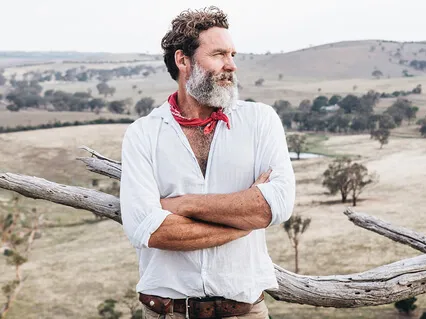
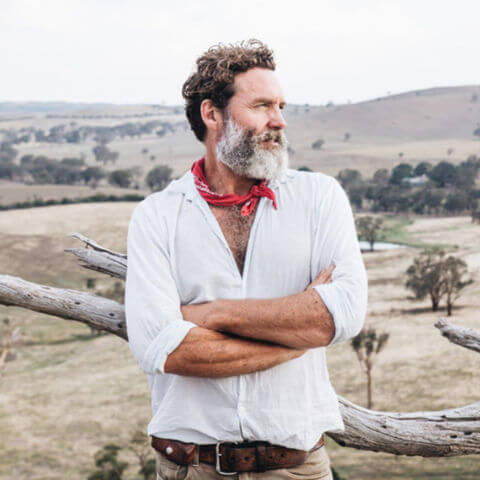
I love food and I love food that I can feel is nourishing me and I love making food from the people that I hold close to me and knowing that I'm giving them nutrients and I'm loving them up by what I'm giving them on their plate and that I'm loving the planet and the community around me by where I choose to purchase and how I engage with our local food producers.
That was Marie Lowes and you're listening to The Regenerative Journey.
G'day,
I'm your host Charlie Arnott and in this podcast series I'll be uncovering the world of regenerative agriculture,
Its people,
Practices and principles and empowering you to apply their learnings and experience to your business and life.
I'm an eighth generational Australian farmer who transitioned my family farm from industrial methods to holistic regenerative practices.
Join me as I dive deep into the regenerative journeys of other farmers,
Chefs,
Health practitioners and anyone else who's up for a yarn and find out why and how they transition to a more regenerative way of life.
Welcome to The Regenerative Journey with Charlie Arnott.
G'day and welcome to the show today.
I'm very excited to announce that Marie Lowes is our guest.
I've been doing some work with Marie over the last six months.
Met her a couple of years ago.
Amazing wonderful woman who has,
Well you may know her from Dirt Girl.
She is Dirt Girl on the ABC,
That wonderful kids show that's been syndicated around the world and won a number of awards and quite rightly so.
I caught up with Marie at Jillamatong with Bungendore,
A wonderful farm down there in New South Wales,
Braidwood I should say.
We talked about her work with Indigenous communities,
Natural sickness farming which was being a practice taking place at the farm where we were and many many things.
One of the most important things I took away was telling a better story and telling,
Not just telling for example the Indigenous stories better because we need to hear we don't lose that knowledge and that wisdom but telling our own stories a lot better and being honest with ourselves and being transparent and being authentic which is exactly what Marie is and I trust you enjoy this wonderful chat with Marie Lowes.
Marie Lowes welcome to the show.
Thank you Charlie Arnott.
Can you,
So formal,
I don't know your second name though so it's not going to be,
I've got 12.
I have one name like Madonna.
Is it like um I don't know was it what is it?
Marie.
Marie.
Just the one,
Sorry.
I thought your second name was like Madonna or something.
Well my second name is actually Charles so that's what that's gonna be confusing.
Is it?
I'm not going to tell you the first name.
That's so interesting but it's not Charlie Charles.
No it's Charles,
Very formal.
Now what are we doing?
We're here can you tell us where we are and what we've been doing for the last day and a half?
Yeah absolutely.
We've been hanging out here at Jillamatong on the south coast of New South Wales here in Australia and we've been hanging out on this property seeing really the beneficial outcomes of regenerative agriculture and how that's helping the people here improve the health of the soil and the health of the water,
The health of the animals and their own health and you can just feel it you know like this is so green compared to neighbouring pastures.
It is so alive and you kind of just feel good being here like your cells relax you just yeah.
It's a great vibe isn't it?
Yeah.
We had Peter Andrews here yesterday who was I guess the father of natural sequence farming which is what Martin Roy is the owner of Jillamatong and we're looking down on some of it just below us here and the willows in the creek and the flood plain and Peter's been doing it for 40 years and it's really been the last 10 that people are starting to understand the effectiveness of it and his ability to read the landscape and work out what it used to do and its function you know all those hundreds of years ago before we came along.
It's interesting really because I think at the moment a lot of people are looking for how we can write a better story for the future and there are people like Peter,
Like Martin who've been doing this for a long time and talking about this for a long time and it's only now that people are starting to really listen and we're actually looking at practices that were used years ago and now that's how we can write a better story for the future.
Not everything is you know not everything new is necessarily good and it's a great lesson in you know reading the literally the diaries of the first explorers and the pioneers and understanding how they what they saw and that's never for me my view is not going to be our benchmark to get back to because I think we're sort of changed it so much but as Peter Andrew says you know if we've scarred the landscape so much that we need to use every tool we have every like the a gully in a flood plain is a is a wound and we need the sutures of different trees to pull it together so and those trees aren't necessarily going to be native trees which is a whole other conversation.
And that was so powerful yesterday when Matt was saying that he you know it was interesting hearing him talk about those diaries of some of those first settlers and and that terminology of it being a scar on that floodplain where we were standing and standing there with the with the water crossing that they have you know innovated and developed and hearing how that's helping heal that area but also what that means for the rest of the property and for water security you know when there's been a drought nearby and they've been able to retain water here for three years potentially up to eight it's huge it's like an absolute game changer and you can see why other people are starting to tune into the good sense in that.
Well Peter's son Stuart,
Tarwin Park Training,
He's running courses all over Australia teaching people this this stuff we hear those magpies isn't it beautiful?
This used to be like six weeks ago no four weeks ago this is brown all over here and for those who can't see it the garden was probably still green but out what we see now is brown except for the floodplain down there.
Wow.
Marie I'm going to move that that way a little bit hopefully just so people can see your beautiful face there and probably cover my beard up.
I'm used to hanging out with big beards,
Yours is not quite as big as I'm in kindergarten compared to the cost of that beard man that is a work of art isn't it?
He's great.
Tell me talking about nature we can hear it there in the background still how did you how did you what was what got you into nature what what made it such such a important part of your your life and your career?
It's funny I get asked that question a bit and I don't really have a memory before it was part of my relationship with the world so I grew up in the country I grew up in the northern rivers of New South Wales so in Grafton and Yamba it's Bundjalung country there and we had paddocks to the horizon behind our back fence we always had lots of snakes coming through our yard we had lots of pets and we would go and make mazes in the sugar cane out the back of our house and we would have cow pat fights with the cow dung and you know like it was just totally I mean it's a fun thing to do but yeah that was part of what we did when we were little and obviously when you're a teenager you start to explore some different stuff and that's when I got really into storytelling through performance and through playing music but all that time I'd spent in the backyard and the back fields and on friends farms and in the river you know that's just in my cells and and even when I've travelled around the world I find that I am attracted to places of nature that are you know that are ecosystems that are whole and and I feel at ease when I'm in places of nature cities are exciting but yeah I love I love being out and I feel myself as I said here I feel myself relax and kind of kick back again.
That green has certainly put a hole across the state where it's rained and certainly in the bushfire areas and there were some fires just very close to here we saw them yesterday didn't we the remnants of a pine forest that had been burnt and very close around Braidwood where we are.
Marie you've had an altar persona for the last 10 years do you want to tell people about that?
Cool I want to hear all about it I've seen a lot of it I just want to hear about it now.
So I've spent the last 10 years hanging out in the world as dirt girl so.
That is so cool.
It's been a wild ride.
I'm a bit of a fanboy by the way.
Thanks I'm a fan of your work too.
Oh stop it and can I just say my daughter Lilla is such a fan and can I just say that Marie just after we met she sent a video a little personal video to Lilla and I can't tell you how special it was I should have told that story later but I have to tell you now.
No no.
I was nearly in tears now because it was such a beautiful thing that you just so didn't have to do that and you're a busy person and lots going on and you just took the time to do that and it was beautiful so thank you you've made a little girl very happy and a dad very happy too so.
That makes my heart happy too so.
Well you're making a lot of people happy now I'm still I'm spoiling the story now you go come on.
Yeah so Dirt Girl is the central character in what started out with the music and then we there was a TV show so Kate McQuillan and Huey Eustis they created a TV show it was basically a way to share a love for the planet and instill that in the children that are growing up in this world now and so Dirt Girl is the central character and she has her friend Scrap Boy and then later when we created the second show Costa Geology Artist came on board as Costa the Garden Gnome and the first series was an animation part live action part animation and it's been screened in 128 countries around the world and really celebrated for how it's helped children connect with the world around them and you know we've always said that we protect what we love and recently I was doing a beach clean up with Jack Johnson and we realised that we both use that phrase we protect what we love.
So and we've always done it through absolute joy through having fun so Dirt Girl has all these adventures in the world with her best friends and she's an eco warrior and she writes songs and so I've spent a lot of time in in her cells basically and then we created Get Grubby TV which is we grew the permaculture garden who we used to screw it and so we got to take Dirt Girl and Costa and Scrap Boy into the real world and from that we have travelled all around Australia hung out with traditional owners on their country spent a lot of time with farmers people whose knowledges are based in this land and in the sea as well and yeah and got to really be part of a lot of communities and how they would like to write a better story for the future and so yeah so I've been doing that for 10 years and I've got to go you know I was thinking back to late last year when I would be there was a period where I was up in Cairns and then in Tassie and then from Tassie I went to Alice and was hanging out with communities on Arrinder country outside Alice and we were growing food in the desert you know it's just it really is a once in an opportunity way to live and way to connect so it's been pretty amazing.
So what what are you taking into your new your next sort of project next chapter of your life that that you learnt or you you really got your teeth into in those 10 years being Dirt Girl what are you what are you taking with you that's that you're going to use and use well and you know help help the planet?
Yeah well yeah so I finished up after a decade with that on the 31st of December so.
Did you have a party?
We did I played at Woodford we so Dirt Girl and her band Mother Earth played at Woodford so we did that and we got to really spend some beautiful time together to you know celebrate what we've shared and there were tears and and Dirt Girl and Costa actually led the lantern parade around Woodford because they have these big lanterns of us so that was really amazing you know and just it was really funny because we'd be walking along and you'd hear little kids or parents say look at the Dirt Girl lantern and then I'd walk up to them and they'd go it's really Dirt Girl it's really Costa it was hilarious but yeah it was an amazing way to wrap it up and hand it over to the next generation of Dirt Girl and Scrap We Now who are spectacular human beings and have all the heart and knowledge and talent and everything they need to to step into those gumboots but yeah what am I going to carry forward well the creator of Dirt Girl World Kate McQuillan she operates by three pillars connect understand act and we have worked together for a long time basing what we do with communities around that that you can have all the facts and information in the world but if people haven't connected with their hearts with what it is that we're trying to protect then it's really hard to sustain any behaviour change and to keep it going so yeah so definitely that connect understand act principle is really deeply instilled in me thanks Kate and man so much I've learned so much from all the kids that I've hung out with you know when I first started to do meet and greets with with families I talked to them about their garden and they'd want to tell me what they were growing and and you know we'd get photos together but over time what I realised is the power of looking into a little person's eyes hearing them feeling their spirit and their joy and telling them you are so amazing you are so amazing and if that's all I did with every kid that I met in the meet and greet or you know who I hung out with that day I always felt like I'd done something good like I'd shared you know something good with them and and it was reciprocal because you know they were giving me so much but yeah and that isn't really that doesn't seem like planet work it doesn't seem directly tied into you know environmentalism or whatever but I think we are all our most powerful selves when we stand in our truth and so to get to hang out with people little people who are at a really formative time in their life and have someone that they watch on TV and look up to them look into their eyes and tell them how amazing they are yeah that was incredible and you know I want to do that with adults too I want to hang out with adults work with them to build resilience in communities and in themselves and and just help people feel like they can stand in their truth and be of use and yeah hold space in the world.
I think you know what you're saying about just you know telling kids that they're amazing and you know the the that's foundational work you know for children who are in the world of you know Steiner and we're biodynamic farmers and so on so we're really focusing on and understand the importance of the sort of the seven year cycles that we all go through have been through and you know it's in that first seven where they're becoming familiar with themselves and nature and their part in nature so to just sort of for them to understand and be given you know essentially a bit of a pep talk about you know and just just getting them to understand they are amazing you know and they are part of nature and they are they are limitless in their in their opportunities.
And I kind of feel like we're as big and as small as you know the largest thing in the universe and the tiniest thing in the universe it's not about hanging out in an egotistical space you know an awesome thing that I learned from Costa one of the first times I think we were doing some gardening with kids was we were planting seedlings in a garden bed and a little maybe seven or eight year old had not covered up the roots of the plant and rather than Costa going back and just fixing it up or not even fixing it some people will be you know just hands off if they don't grow they don't grow but we always make sure that if we are doing a planting or growing things with people that when we leave they really going to grow that the garden will be robust and resilient after we leave and so Costa rather than going back and covering it up himself he got the little boy to come over and said you know do you how do you think this is going to go do you think it's going to grow and then he talked through it and he didn't fix it himself he got the little boy to do it and so it's not about you know just it's always based in truth and in and respect and integrity it's never just fluff you know it's never just like oh you're so amazing you know there's a really beautiful genuine relationship that we have formed with the kids in our community Australia wide yeah and yeah it's it's always given so much to us in return as well but I do think that it is foundational work and I also think that you know there's a lot of value in community so parents are busy you know their time for everyone's doing their best they can at any given point in time and I think it's really important for kids to have other grown-ups in their community who spend time with them that build them up that explore with them you know so whether it's aunties or uncles or friends or you know whoever godparents earth parents whatever you know your community is I think that's a responsibility that we all have as grown-ups for the young people that are in our circles and that we can't just you know leave it all to the parents by themselves tell us about your community work because you mentioned just off off air there before some of your travels and tell me about you know maybe some of your indigenous indigenous work in your community communities yeah so when I went to uni I did psychology and indigenous studies and I've always been you know I understand that I'm a white person in this country and that we wherever we are we're on someone's land someone's country and that there are stories and knowledges that have been here for millennia and I always carry that in my heart and and try to be a deep listener and and try to be a good ally and that takes ongoing work and ongoing deep listening and so we had some really awesome opportunities through dirt go actually because you know we've never sold merchandise that could end up in landfill we always worked yeah our model was around education and that's the wisdom of Kate and Huey again but so we have done a lot of work with waste management even with biosecurity so I've spent a good chunk of the last two years traveling around the top end of Australia so from Bardi Jawi country in far north WA to Larrakie country outside of Darwin and Cape York and a lot of time in the Torres Strait as well which is incredible and yeah getting to hear how traditional owners care for country and the work that indigenous rangers do every day and how they use cutting-edge technology with knowledge that their family have passed on for so long to work with biosecurity officers and that protects agriculture and food production all around Australia and there's these amazing good stories that we never hear about in mainstream media so to get to go and elevate those stories and share what these traditional owners wanted to share was just incredible.
It's process information isn't it you know the I guess essentially the farming techniques you know for example of aboriginals and you know we had Shane Mortimer here yesterday telling us about that.
Bruce Pascoe has written Darkening Mew for anyone who hasn't read it it's an amazing read and essentially Bruce identifies through his observations and study and the journals of the early explorers that aboriginals were essentially the first farmers in the world you know they farm yam and grains and rice and they used to smoke eels in the hollows of trees and fish very very you know with these lazy techniques that the Europeans you say they're lazy lazy people but they had these amazing techniques where they'd use a sort of a sappy branch and they'd hook up a little you know bit of twine as it was and catch fish by just sitting there watching it and the fish would get caught in this little twine and get flicked out onto the bank and there was just amazing stuff and there's so much such a rich history that I think we you know it's here to talk about regenerative agriculture or one of the things and you know that's a big for me it's a big layer of knowledge that I think we really need to tap in and integrate.
Well to me Regen Ag you know a big principle in that is learning to listen to the land and respecting the power of biodiversity and of systems and that the wisdom that nature has you know and I think that's a through line there and I think another through line is that we get that the system that's at play in the world at the moment isn't necessarily helping us be more resilient or safer for the future and moving forward we really need to make sure that there's not a dominance of nature or a dominance of each other that we have a diversity of perspectives that are informing how we move forward and I think that's really powerful.
I keep coming back to that idea of biodiversity and I think even human groups are stronger thanks to biodiversity just like nature and ecosystems.
I guess the diversity of thinking diversity of principles you know that we need as a let's just call it the collective of regenerative practices you know we're not about oh I'm certainly not about saying you know people should be all doing this or doing that it's about well you've got to work out you know what form of mimicking nature suits your business and your landscape you know what practices can you afford what fits in your current farming practices so I mean big fan of diversity of thought diversity of people because there are such amazing even here yesterday you know the number of different people we had there in the room I would like to see more doctors it'd be nice to see more bankers there as well because you know they're important they're sort of at the either end of the spectrum well they're actually all through it they're you know bankers are providing money to farmers and the doctors are you know trying to treat people who got who get sick because they're not maybe eating the right sort of food there's interesting dynamics there but that's a can of worms there shall we open it pun intended can of worms I don't know that's we might have well we can chat about that let's go there a little it's on the foodie bit it's a bit political we don't have to bag anyone because this is I have to say this is this podcast series is is very gratefully supported by Lancare Australia so I'm conscious that yeah we love them I'm making a heart with my hands for the people who are listening to the podcast not watching the video on YouTube yes if you're not watching on YouTube then you're missing the beauty of the garden we're sitting here in at Jilla Matong so we know we don't have to sort of tread on too many toes we can we can I think it's an important conversation because you know we're all as I say at the beginning of conferences you know put your hand up if you eat food yeah it's like you know we all we all we all rely on food to to live and it's our choice as to whether we eat food that that makes us healthier or we eat food that that that actually essentially can produce disease you know it's it's a it's a simple equation I think so and you know our engagement with food is political and it's also not so we have a system that makes it difficult often for people to be able to afford nutrient-rich food that hasn't been produced with sprays and chemicals you know so there's there is a system at play there that can disadvantage people from engaging with that depending on how much money you earn a week or you know all kinds of things and also access to information and education you know the things that we learn about I was in a grocery store a while ago and I heard a little girl and her mum in the fresh food section and the little girl said I shouldn't buy this should I mommy it'll make me fat and it just really struck me because rather than talking about nutrition or nourishment that conversation was about deprivation and about worry and fear you know of of of being overweight and labels you know and I just thought at so early on we're kind of having the wrong conversations around what food offers us and you know I haven't really talked about this before but when I was 16 after my mum died I had anorexia and I went through a period where I did deprived myself of nutrients and nourishment and now I'm the biggest foodie I love food and I love food that I can feel is nourishing me and I love making food from the people that I hold close to me and knowing that I'm giving them nutrients and I'm loving them up by what I'm giving them on their plate and then I'm loving the planet and the community around me by where I choose to purchase and how I engage with our local food producers and even by choosing to buy locally you know it's a big part of my heart now.
It's just I mean for me food is it's it's the commonality again we all eat food but it's a common thread you know farmers are producing it you know the feeders the eaters they're eating it it goes through a few sets of hands generally in the middle I'd like to see less sets to be honest people buy more directly would be great but that's the connection that we we as eaters you know let's say urban people who aren't on farm can have with their farmer you know and they can they can actually eat eat that food hopefully knowing where it's from and how it was produced and why it was produced and why that that farmer was using those particular practices and how they're you know hopefully good practices that have produced a nutrient-dense food that they're eating and and I'm a you know a big fan of the idea and we practice this and we support others that do of having reverence for food.
Yeah absolutely.
It's just sort of really savouring the taste understanding its origins and you know being grateful for yes it's a word that is you know used everywhere but it is because it's it's important word that you know we sort of we've forgotten about generally but being grateful for the fact that that is nourishing us.
Yeah.
You know and and it's and it's the quality of the food which you know farmers are I think coming around to understanding it you know the farming practices that produce quality food that's where there's that's where the that's where the eaters are going you know but they're they're not so worried about the quantity you know farmers and I was a commodity farmer we're producing a quantity of food and it was about yield and quality wasn't the thing but if we but you know and we live in a we live in a supply-based economy in agriculture at least in Australia where a lot of food is produced before we know where it's going to go.
Yeah.
We're just supplying it and and the wonderful thing about people understanding where their foods from is that they're creating a demand for that food and that's a really healthy foundation for an economy.
You know not just for agriculture but for the whole nation you know whether it's technology demand or food demand or whatever else you know that's a healthy way to have it so.
It's so interconnected to you know you're talking about it that previously it was based around commodity that puts a real rush on the duration of production to you know.
Pump it out.
Yeah pump it out and that's sort of what we've been talking about as well is that there needs to be a shift in that expectation as well and you know the nutrients that your food can absorb as well while it's in you know longer in the ground in nutrient rich soil and then that goes into our belly and we have all these beautiful this beautiful microbiome being cultivated and and we're learning all about the brain gut highway you know and how that affects not just our physical health but our mental health which again are interconnected.
This big learning process that we're going on about this you know cycle of nutrients and and that really pump it out pump it out way of producing food also then leads to a huge waste you know.
I've been to the National Waste Conference the last three years and you know talked spoken to people like Ronnie from Oz Harvest who's incredible and and even with Kate and Costa we have done a lot of work around compost and if you're creating food that is taking out beautiful nutrients out of soil that's healthy then you eat it it goes into your stomach you use the food scraps to create more soil to grow more food that has the nutrients in it you know it's the power of the nutrient cycle and and it really does all start in the soil and our respect for the soil.
It's a great point because you know the if we're growing nutrient-dense food then we've got the scraps of that nutrient-dense food when they go into compost are going to produce a much better compost.
Yeah oh absolutely.
Like the dead and here's stories about you know people throwing I'm not going to mention names but branded you know cereals over the fence to their chickens and they won't touch them because they're just dead food.
That's when you've got to worry about what you're eating.
Yeah the flies won't even go on some you know packet food and things.
Well maybe food is a bit of an overly generous label for it.
It's what is it it's filler sometimes.
Where we going to go now Marie?
I know I know you you you being you you're always sort of onto the next thing but you're always thinking ahead and you're always you know I guess educating yourself.
What's the next little chapter of educational development or study you want to?
Well last year in the middle of the year I spent about a month doing this sort of personal odyssey of learning.
I was trying to work out where I took what I do next so I've you know I've spent 10 years in film and TV also in environmental education.
I've got to travel around to so many incredible communities around Australia and then I've also got this background in mental health you know and that's a big focus as well for people at the moment because a lot of people are having reckonings about the reality of our times and it's confronting and intense and confusing.
So I wanted to work out how I combine and kind of hybridise these different experiences that I've had and interests that I have.
And at first I thought maybe I would work with climate refugees which doesn't necessarily mean just people who have emigrated from different sovereign states.
We have climate refugees already in Australia and so I looked at that and then what I realised is is that I that is incredibly important work but I would actually really like to come into the picture of the story a little bit earlier and work with communities to help them build resilience for the future.
And the thing that I've learned so I'm doing my masters now my masters in disaster resilience and sustainable development it's through the UN.
Wow that's cool.
Yeah it's awesome.
Well cool as in that's a worthy use of your time that's for sure.
Well it is cool as well because it actually makes my heart feel a little calmer because for me it feels like I'm going to the sort of crux of some of the work that needs to be done.
There's so much work that needs to be done and it's all valid but for me it's looking at the systems that are in place and why they're not serving us and how they're not creating a resilient regenerative future for people,
For planet,
For creatures.
And where the opportunities for change are so transitioning sectors,
Building local capacities and communities.
So it's very much about the the window for change and how we how we can shift and how we can do better for each other and the planet and that is inherently hopeful.
Talking about I guess opportunities with the nation and certainly in the western part of Australia they had their fair share of fires as well over the summer in January and an enormous amount here in the eastern side of the country.
What opportunity do you think that's sort of presented to the nation,
To farmers,
To politicians,
To you know different stakeholders that related to the fires?
Yeah well first of all I think it's interesting because we're sitting here now and there isn't fire burning on this property but it's still not necessarily a past reality you know.
What's done to the land here and what communities have to deal with is ongoing.
So you know I said that this course for example that I'm doing is inherently hopeful.
It also very much goes into the reality of our times and one thing that I would really love to say that I'm not hearing spoken about,
I don't feel enough in the media at the moment is that we talk about natural disasters but in the area of disaster risk reduction natural phenomena are not disasters until they overwhelm the local capacities,
Until they overwhelm the capacities of a local system.
That tends to be based around human life and human systems.
I personally you know am concerned and invested in the well-being of ecosystems and that includes humans we're part of nature and we need our natural resources to be healthy and regenerative.
But essentially this idea that a natural phenomenon isn't inherently disastrous.
Where that is tricky is the fires that we've seen recently here in Australia are truly unprecedented in their intensity and their scope and so many people who were involved in those said we just haven't seen anything like it.
They were so unpredictable,
They were so hot you know and we spoke about that heat yesterday.
I think there's a few opportunities out of that.
First of all I think a lot of Australians we live fairly isolated from the rest of the world you know we don't have a lot of we don't have other countries bordering us you know in terms of sovereign states,
Land to land and so we kind of have our world that we live in here and mainstream Australian society is fairly fortunate you know we call ourselves the lucky country and what those fires did particularly on the back of such a long drought so before there were the fires there was the dry and there is still the dry.
We've seen some rain it's not enough in a lot of areas to actually change what's going on but what it's done is it's literally brought it home you know for Aussies even people living in Sydney.
That idea of a drying and warming climate and the outcomes of that it wasn't academic anymore it wasn't something that you hear about and you can either believe the science or not believe the science when it's in your community when it's in your face in your lungs you know you can't ignore it anymore and that's intense for people because it becomes real and then they have to work out how they feel about that and what are they going to do about it.
So do you think and what would you suggest people sort of do about it is there some I mean I'm not just talking about sort of in response to fires but is there sort of some actions that you know simple or otherwise that people can engage with you know that can because my sense is that you know people they're hearing doom and gloom and I think everyone's pretty clear or at least they've been hearing that things aren't so good.
Yeah.
From an environmental from you know point of view the nation the globe there's lots we can be doing but I don't know that people know what they can do there's there's a fear it's sort of currently like a fear-based sort of point of view at the moment and what what what could you suggest some people can do to to make a difference to contribute?
Well I think we kind of need to look at a few different communities in Australia so first of all we need more adequate leadership on a governmental level there's a lot of a lot of information out there and recommendations within the disaster risk reduction industry about how we can be building resilience and what we need to be doing and the truth is you know I just wrote five thousand words on that to do with fire and then I go and look at the news and our government has announced something that's completely the opposite direction despite all the information they have available to them and I think that's also confusing for people because they're starting to understand the reality and our government isn't matching that with the information that they're putting out there there's a lot of denial and policies aren't shifting and that confuses people and it also builds fear further I think and it also can make people question what's the point of them doing things in their day-to-day lives when the system is still going in the opposite direction and and I get that we have a sense of urgency around what's happening and and it is it is valid definitely but we need to find some we need to find some calm I think and and have a strategy but I do think we need leadership on a governmental level insurance companies are already taking the advice of disaster risk management you know principles private sectors are shifting really the federal and state governments need to catch up with that and then on a personal level I think something that really helped me was there's a guy named Richard Leah he spent a lot of time with First Nations people in the US and he talks about radical hope and the idea that the scope of what's possible at any one point in time or one point in history shifts and when I work with people at the moment and talk to them about mental health and resilience through these uncertain times I think it's understanding that the scope of what's possible has shifted even for parents you know in in our community we're told that you the number one thing as a goal the number one goal as a parent is to keep your kids safe and offer them the best future now climate change in the climate crisis means what parents can promise their kids for the future has shifted and that's confronting for a lot of parents for me hope isn't sort of some huge you know yeah some huge thing it's a connection to what's possible at this point in time and so I try to stay connected with what's possible and if what's possible for you today is to do something in your world that's great if you can write to your MP amazing if you can tell your local member what matters to you and remember that they it's their job to represent the values of their community and you're one of their community members keep talking to them that's really powerful if you want to show up at a march and hold a sign and that's how you feel seen and heard and that's how you stay connected with what's possible that's brilliant too if you can grow your own food I think that's pretty amazing unreal it's a good point you make about sort of you know we can it can be a big thing to tackle yeah the you know what are we protecting our children from you know you know climate crisis the language around you know the changing climate I think farmers are often well I guess some farmers are blamed but also you know been expected to shoulder the responsibility of that so and farmers it's a big thing for people to get their head around let alone farmers who are sort of at the coal face yeah where you know we're expected in some ways to save the planet and look I think we've got the tools to do it however you know I like to try and simplify it a bit and say look you know what yes there's some expectation around us saving the planet we'll do it it'll be right we've got the tools but you know for farmers to get the head around that it's a big it's a big ass so I always say you know what you've got five acres you've got 50,
000 acres whatever you've got that's your world you need to focus on you know and focus on what's in your control and you know and you know changing practice changing the paddock between your ears before you change what's going on you know you're having your paddock and I've been thinking about it recently it's also about changing the paddock within your chest you know that your heart and actually you're aligning your your new paradigms hopefully some new paradigms if a farmer wants to change what they're currently doing and I think a lot to do right now aligning your your your sort of your mental your logical paradigms or new ones perhaps with your your heart paradigms you know and your values essentially because as a farmer 15 years ago I didn't know no I never asked me to write a list of my values I had them and I sort of used them as a bit of a filter but it was very unconscious or you know and I wasn't living my values basically so I think just putting all that into a farming context you know asking farmers or supporting farmers to look after their patch you know it's not being selfish it's just like let's just do this in manageable chunks you know and sort of you know whether it's using biodynamics or natural sickness farming or it's just composting of your food scraps I think there's there's a great deal we can do that's manageable within our control to focus on and for me that's one of the mantras of regenerative agriculture is just focus on what you're in control of yeah you can control you know because we do a lot of and I guess it may be a similar message for you know people living in the city where they might feel like they can't they can't do anything and everything's out of control but you know there's as you said there's there's some growing around food you know joining a local gardening group I'm a big fan of cranking up land care groups in urban areas and even the idea of land like people from the city joining a country land care group you know Burrow have got this amazing 20 year old project called called building bridges to Burrowa and it's a it's a project that that essentially a busload of people from North Sydney bush care with who are aligned with North Sydney council come down for weekend a year in September and they plant habitat trees for super parrots and they love it's 20 years old it's like an award-winning program they love it because they get to have a feed in the shearing shed that night and you know the fire outside and they go to the pub or whatever they do and they camp and you know it's such a wonderful thing and it's just it's just one example with it's actually a blueprint for that so anyone out there who's who wants to know about how to start their own little community relationship with it with a with a with a country town we can give you that blueprint see that's awesome I love that I love that idea of you know it's an older concept but that idea of a sister town and often in the past it was in different countries you know but having our rural and urban communities become partners you know and sharing resources and sharing joy and sharing challenges so that our rural food producers and communities aren't you know suffering in isolation and our urban communities are staying engaged with where their food comes from and you know the people who are at the core of our land you just spoke about something before and it made me think of a concept in psychology called psychological flexibility and it's where you can understand the full reality of a situation but still move towards what matters to you and that's something that I really see that we all need to be working on together and to do that one I think we need to learn to listen to ourselves again I think we have been cultured and conditioned for a long time particularly in the Western world to consume you know that that's how we find joy or escape or relief among many other things that's a big conversation that I can't do justice right now but you know and and those principles of domination and depletion rather than building each other up and building ourselves up you know so I think learning to listen to ourselves is a big thing that moving forward will be really important and help us be more resilient for the future I also think that connection and purpose you know research and practice shows that that's a really strong protective factor in people who are vulnerable to mental health issues or you know just struggling in general which we all do that staying connected to purpose and also community are incredibly important things so and I actually spoke to Jack about this as well Jack Johnson when we were talking John O'Dowie's mate yeah that's a that's the name of John I'm proud I got to hang out with him he's my next guest actually can you get out of the chair Mary we've got a real guest coming no hang here the next day he's just going to sing me a song oh nice oh I can sing you a song I know you can he can play the guitar and you can sing no but we were talking about how you always just feel better when you when you get out your front door and connect with the people in your community like go and do something you love go to the beach or you know go and see your friends it might not seem like you're doing anything for the planet but by by staying a connected community member it is incredibly powerful and and in you know my masters when we're looking at all these disaster risk reduction policies and concepts and and how we can build resilience for the future and regional resilience you think it might be all these really complex structural answers but one of the things that we come back to all the time is local capacities so knowing your neighbors names knowing what each other's strengths are like time banking totally rocks my world this idea of I'm baking tell me yeah right so rather than exchanging money for a service going back to exchanging a service for a service and you know bartering by it's not it's not just helping because it is a legitimate exchange of what one person can offer that maybe they another person can't do but you have something else that you can exchange and and communities that do time banking have been shown to be to have above average resilience during times of disaster compared to neighboring areas because they they know each other's capacities they know their neighbors names they know does someone only have a landline or do they have a mobile if I go and knock on their door because there's a fire at the end of the road and they don't answer they actually might be in their shed or down in the paddock you know they don't just leave when they don't answer the front door there's all these things that if we only connect online we don't necessarily know about each other and and when the power goes out in times of crisis or a disaster you know what we call a natural disaster we need to know how to talk to each other and how to help each other IRL in the real world.
It's it's it's it's not like a new concept is it you know we grew up you know it takes a village to raise a child and you know the even over my short life lifetime because I'm very young you know it's interesting that the community dynamics how they can change you know in terms of this relationship with community you know and I know Boora where you know that the Boora community I gotta say is amazing you know and I so fond of it and you know being able to walk into any shop and know who's there and and remember stories and I don't know it's just a really it's a it's a wonderful thing and I'm not and I suspect that you know for people living in the city then you know the grocery store or that they have their same experiences the street they've grown up on they lived in it's such a it's such an underrated valuable part of our lives isn't it that connection connection with others just getting back to the the the Landcare sort of relationship thing yeah so how about like there's already there's already a relationship between Bondi and Byron like Byron and Byron that's that's the new Landcare group Byron and Byron Landcare so there you go Hipses and Groovers you can take that on board and start your own one but yeah like I don't know Cobar and Cabramatta yeah that'd be cool it doesn't have to be the two C's or the two D's or whatever you love alliteration I do sucker for alliteration can I just say you know you're a fairly accomplished grazier and regenerative agriculture champion but the moment that I kind of had a fangirl thing was when I found out that you were a Landcare ambassador I was like that's so cool I'm a big fan of Landcare yeah I think it's one of it's like a lifetime like not lifetime sentence it's actually I'm sorry I'm really proud of it I'm proud of the fact that you know we were you know our family joined the I think was actually Bora was the second Landcare group in Australia you know the first one was in Victoria and I think Bora was the second one I said we're certainly in the first few months of it being adopted in Australia and Bob Hawke was it was one of the was well he's at least the Prime Minister at the time that got that over the line and so we've had a really proud history with Landcare and there was just on ground level not just but you know on ground trees fencing gully erosion salinity all that sort of stuff and then it's been a beautiful thing to maintain that and sort of work in different community groups and different regional groups and then state and then now with Landcare Australia so it's a wonderful organisation and I really strongly urge anyone farmer you know city country whoever just think about it because it's a 30 year old more now plus institution that is there's written it's written the changes of government changes of policy and legislation catastrophe changes in the sort of the the the governance and it's really incredible that it has yeah so so that's why I'm banging on about it but it's it's such a it's such a it's a remarkable organisation I think it's worth taking a moment to celebrate the legacy for sure so speaking of things that you've been doing is this time around well what are you doing well we're kind of collaborating at the moment okay you and I and it's to do with the health of the soil totes which is part of why I'm here in this area in the first place so can we talk about that for a minute yeah we can that's it this is we're on just to remind everyone we are on a farm and that is a little buggy that is being driven I think I'm not sure if it's taking food from the kitchen up to where there's a there's actually a workshop being held here that is all about drought resilience and and and being able resilient against a fire bushfires and hydrating the landscape so you are hearing the drone of a buggy taking god knows what up to the tucker tucker up to the shed which is so interesting too because there's a lot of conversations happening at the moment around how we're going to deal with the risks and outcomes of drought and the hazards of bushfire and how we can minimize vulnerability and build resilience and they're looking at having a national emergency and fire summit which is brilliant and including first nation knowledges and talking to a really wide group of people from different sectors but I hadn't heard some of what Martin was talking about yesterday with soil and the answers that are in the soil you know and how we're holding water in the wrong places and it was absolutely not holding water at all yeah and it was so fascinating the the relationship that is possible between regenerative agriculture and fire resilience and that's something that I really hope makes its way into into the troubleshooting that's going to be happening you know mainstream yeah there has been hints of support from government and there's Llewyn Creek Institute has certainly been recipient of funds to help roll out some training on that which is fantastic I'd love to learn so we have to thank the government for that for supporting that initiative because the more I understand it the more I see it and we're looking at it right now the more I appreciate that you know the hydrology or the lack of functioning hydrological cycle in our landscape and this is global not just Australia or here at Braidwood is the most important thing you know like the the it's the it's the vital ingredient yes we need solar and yes we need the biology and everything but it's that magic ingredient of it's it's is the bringer of life you know and and when you can retain the water that falls where it lands in the landscape because in the last 230 years we have created the most effective drainage system across this continent that's why it's that's the one of the one of the I believe one of the contributing factors of the bushfires it's contributing factor to drought people might say it's a climate it's a changing climate and it doesn't rain as much I we've got it we've got a we don't necessarily have a rainfall problem we've got a rain retention problem because it because we're just going and sometimes we have both yeah you know the variation one or the other yeah but both at play and when they combine they really do make us more vulnerable to those hazards that are occurring so horror stories yeah now we were going to talk about yeah yeah you go you go first so we've you're far more articulate no no I was just it's funny I was thinking about it I was thinking that we've dragged you into it but not really it's sort of started in a kind of true regen spirit it wasn't really that hard yeah so we're working on an impact production that has three stages and the first stage is creating some factual content documentary style around the major challenges that we're facing in this country for food production food security and the nutrient cycle and how a lot of that starts and ends in what's beneath our feet and what we can't see our soil so that's really exciting so you Charlie Arnott are on board and our co-producer Sue Bradley and myself and we've got some exciting hosts that have come on board who are going to travel around Australia and find some solutions together yes and what are we doing on Tuesday we are we're doing a little we're doing taking some video some footage a little bit of a teaser put it together can we say where you know one of the spots you can talk about yeah okay the one the one that's at Byron Bay yeah as in the one that we know we met at well yeah we did yeah when we say the farm actually no we met before that did we yeah we met at Pocket City Farms I harassed you and you and Costa and I were on a panel and I said you know what I'm a bit of a fan boy and I wanted to say hello and oh my god yeah you came and got a selfie it was great I did I did what a what a knob but anyway that was but it was fun no I'm glad I'm glad I did it was so nice I pushed through my my anxiety around all that like I said we love what you do too well here we are here we are no regrets at all so yes the farm at Byron Bay which is amazing 80 acres of mixed mixed agriculture essentially and and it's a great model that we hope that gets rolled out elsewhere and it can be literally modeled by that that by the lanes Tom and Emma who had the vision to put this all together 80 acres they've got cattle they've got pigs there's chickens there's a number of hectares of acres there with and then about five or six other farmers who actually tenants and they're growing fruit or vegetables mainly and all of that produce and the eggs and the pork and the beef go through the restaurant and the tenants of the who looking up restaurant three three products and you know what I can't believe you're not gonna believe this I was driving through Braidwood today and who did I see on the side of the road and pull up Darren no no way and man it was unreal I just went I went no that can't be he's like no way yeah we can say so Clayton Donovan we're very excited to have come on board as our third host so it'll be you Charlie Arnott me Marie Luise and and Clayton Donovan and he's a good friend of Darren as well yeah at three products yeah we're gonna nestle our way into the kitchen for a bit I think as well they're totally we are yes so we're gonna because a beautiful little farm there there's a macadamia orchard I've got the got the fruit they got the vegetables a bakery yeah bread social guys there salmon and the boys florist florist absolutely so Jordan and it's just such a wonderful collective of like-minded people and that's the model you know that's the model and that's a retail sort of thing I'd love to see more farms reflecting those sort of that sort of thinking you know it's collaborative we'd love to actually this is I'm not sure when it's going to be put out but we're looking for someone to look after our pigs I had had him in oh yeah I should actually pump that out a bit earlier like today on socials yeah so we've got some amazing pigs and they they all have names and they're beautiful and we're going we're looking for someone to actually work with us and profit share and and maybe live on farm if we can work that or not just locally or work something out and look after them for us and with us you know and so and we'd love someone to put some eggs on to some chickens like big you know pastured chicken caravan type stuff so that's a that's the model I'd love to see you know everywhere that'd be a game changer and that's the thing they're the kind of ideas we're wanting to hear and explore with this with this impact production so we're going to be speaking to Cindy O'Meara she's great yeah and Jo Spacker in March and Zach Bush all these people who are really looking at the nutrient cycle and the role that soil plays in our human health and the role that food production plays and and how cyclical it all truly is and they're all incredibly innovative thinkers but um throwing something back a bit something I'd never really thought about um you were mentioning someone to look after your pigs so um join the gig I actually would if I had capacity I'm like oh yes well I was thinking that I so I said I grew up in um the country um in Grafton and Yamba but my grandpa he had a farm um in federal absolutely stunning place yeah but he was a pig farmer wow and so I grew up growing on his tractor you know but he I'm gonna be really honest he was not he didn't have regenerative practices not not explicitly he was a pretty standard pig farmer yeah yeah so and and how long ago was that like that we're talking you know how many years ago was it was it was the operating up there yeah I think until kind of the late 90s yeah late 90s we were still going up to the farm and putting our gumboots on and yeah hanging out with the pigs and the veggies it is an amazing part of the world up there um because they can grow anything you know they didn't have the dry they had a dry they had a few months of dryness there um in the last year and early this and then it went rain everything just absolutely exploded it is so fertile it's amazing it's it's incredible babies just popping out of the ground up there it is incredible so we're big fans of um uh what's happening up there any more on the on the secret squirrel project so farm the farm we're doing some stuff there with those guys yeah anyone else we need to plug up at the at the farm um I think I think that's it I think we've got a really exciting team on board which is really yeah I can't wait to to get to Tuesday actually um it'll be fun yeah and then March is going to be really fun as well and we'll see what comes out of that but um I think if anyone has any stories about um people who are doing good stuff in their community and uh doing anything interesting around regen farming food production the nutrient cycle they could get in touch with you or me because we really want to hear about what everyone's doing and all the good stories um yeah and and be able to celebrate celebrate and share them celebrate celebrate celebrate sure no I love that um I think um and and just on that we've just we had um dinner last night with some of the people who were at the conference um at Jilma Tong yesterday um we uh sorry about Maloon Creek and then we hit Jilma Tong and and we've met some wonderful people yeah and the one thing that I I love about this space um not just not just this geographic space but the the regenerative farming and I know that's sort of a term that's being used a lot but I'm unless someone can come up with a sort of a more succinct one I'll use that collective term um the people involved are just really wonderful people good people I know and that's what I mean yeah that's sort of so the others aren't that aren't doing it I'm just saying as a collective they've got the they've got the paddock in the between the ears and in in in the rib cage sort of pretty clear what they what they're doing and why yeah absolutely I think people are connected with their values I'm not saying they're correct above other other values you know but people are very in this community are very connected with their values they're definitely living their values which I think um there's an exuberance to people who are living their values you know it's attractive and it um is inspirational and aspirational um there's an incredible generosity of sharing knowledge and skills you know the people in this community understand the strength of the collective and collaboration or as my friend Sarah says colibration coliboration I love that that's ice yeah Charlie's making notes it's great yep they will be they'll probably some of them will be in the show notes because we're so we're so professional in what we're doing yeah you have this um spiffy new sound setup that I was really impressed with yeah I'm like a you're a real pro look out tim Ferriss and then she's about to fall having said that we have two microphones here set up and they are road microphones so they are legit but one charlie's microphone is affixed to the table with a bone that we found on the ground and the other is affixed to the table with a stick sticks and bones yes you're still holding my bones um yeah so that's the thing about this community that I love is how generous it is and how collaborative it is and again it's that um appreciation of biodiversity of opinions of people's stories and hearts and nature and it's all that cycle well you know what that cycle is I think we're gonna have to finish it because well no we won't finish it this is just gonna we should have a break oh okay well not from this podcast because I'll get you back for sure this is so fun um and you know the what I'm loving is doing I'm not gonna be able to do something inside now because we literally have chickens under the table just stolen some bread from Sue over there the girls are at our feet I know I wanted to say hello before I could hear them back and go I know I love them it makes me so happy we had chickens when I was little um and I really yeah they're so cool I love them they're the best so yesterday I was talking about how she wants chickens and she used the words pets and word pets and we were thinking about it and it's more like co-cultivators totally really yeah they are they are they're like um they're really clever because they've got the three implements in one they're a they're a um they're a they're a slasher with their beaks and they're a plow with their feet and they're a fertilizer spreader out the back well yeah they recycle our scraps into more nutrients yes they do they're a very effective turner of turner of food um and there was something else about them love their bum nuts they're good we love them and and they're just so cool my my little boy calls them tukatooks oh that's so cute we were we were talking last night um Helen McCosker and I he's an incredibly valuable community member carbonate yep carbonate give that a plug national regenerative agriculture day yep um every valentine's day um farmers and foodies um hijacking um valentine's day writing a love letter to the planet that's what they do every day yeah totally yeah but celebrating on February February 14th but yeah Helen and I were talking about how chickens are a viral hit you know when you have online communities that you um engage with if you put chickens in the mix tell you what everyone wants to share their chickens because Kelly Kelly there at um uh Kelly Jones at who who's who's amazing graphic artist who has been helping Mike and Helen McCosker there with national generative agriculture day the the posters she's done are unbelievable and if you want to so go to Facebook um national regenerative agriculture day actually nrad.
Au and you'll find the resources little button there um and you can um you can I guess print them and put them on your own socials and all this stuff they are so incredible and Kelly you're a star um and those guys are doing such wonderful things we could just love you work Kelly lots of plugs couldn't we who else should we plug a good little sort of a segue um if you do go to that Facebook page or the website the nrad website and you see an event near you or one that you can get to that's to do with regen ag even if you feel like it's not you know your space or you don't have a farm or whatever I so recommend people go along because when you're in this space it feels good and if it resonates with you and it clicks you know I think it really does have the potential to fill people's hearts as well as to help us understand more about the health of soil and our health so go along like go in person it's compelling stuff isn't it like yeah I was saying to someone last night um you can't you can't unhear and you can't unsee or unfeel like kind of feel no that's it it's a vibe it's a good old it's just it's just a vibe we're quoting the castle now for those non-australians or those who haven't seen it go and google it it's not on Netflix but it's somewhere the castle it is an Australian classic yeah well Marie Lowe's you're an Australian classic and I'm going to have to not wanting to but it's going to sign off now yeah let's go have a cuppa cup of tea I think and um I have to say I've got to get home because I'm going to give someone else a plug Rachel Ward who we all know and love a wonderful strong female director and storyteller yes totally she is a legend um and she is going to be she's putting together something um I'm not going to tell like I don't know how much I can tell people but no that's her story that's her story yeah but but anyway um we caught up and we're going to catch up at Hannah Minow yeah um at Borawa this afternoon and um you know again back to that this space is a vacuum and some amazing wonderful people are being drawn to it and it's really exciting what what's happening in the world I think yeah and it's just and it's a you know solution I'm always a always talk about um yeah people when there's a problem they go straight to solution and I say you know you've got to look at the needs of the people involved because it's problem is the result of an unmet need and um having said that though regenerative agriculture there are a lot of solutions there and a lot of need people's needs can be met nutritionally um environmentally ecologically socially culturally can be met in this wonderful space so on that tyre pumping up note I love it love a good amp um that's been so fun yeah thanks so much for having me it won't be right if we don't come back to Jill and Atong to do it to do the second one yeah I would love that I know I said to Sue before I don't worry I feel like I'm going to be back here so we are so going to come back here and thank you Martin um for having us here Martin Royds looking at Jilla Matong Facebook and um Instagram and doing amazing things with the with Peter Andrews his mentor um rehydrating the landscape here at Braidwood um which used to be the food bowl of Australia for some time there there's the wheat harvested here at one point but has the yield has never been beaten yeah that's impressive isn't it but what Martin's doing here and what the community are doing here is so impressive it's an incredible model for anyone who is feeling like what they're doing on land isn't working or how they're consuming food isn't really working for them the principles yeah absolutely the principles apply cool thanks for having me Marie you're a star thank you thank you well there you go what a wonderful interview um and what an opportunity to to chat with um a true uh storyteller and uh and Marie's got a massive uh future in front of her um and as a what a wonderful history as well you know not just with adults but with with children and um you know her storytelling abilities and and her work in that field has um is testament to that um I'm lucky well I'm lucky to say I'm fortunate that uh I'm very excited about working with Marie in the future on a six-part docuseries that uh yeah we're working on is in in progress at the moment and um very excited but we'll tell you more about that as things proceed look that's the end of the end of the series really that's that's episode nine we've had um really overwhelming interest um and and um positive vibes about the whole the whole show um it's a bit sad to see it um end however um like to say we are going to do a series two and well your suggestions of who you'd like to see or hear interviewed in series two um would be most welcome um before I bang on a bit more about that I just want to make some some awesome thank yous and appreciation uh comments about the team who's put this together so recent um at Jager Media has pulled this together producer you know editor the whole show the the tech guy um got us out of trouble many a time when we thought we all gone to put but um he's a legend Todd from Creation Theory as well keeping a close eye on um on the on the process and some management and also um uh he's putting together our website so very excited about announcing that that will be um complete uh very soon Fiona Turney my um still haven't worked out what we call Fiona she's a legend um assistant offside uh the glue that holds it all together she is fantastic so thank you Fiona and um my family of course Angelica and Lordy and Lilla and Venus and Persia just patient with me in the time I spend on this particular project which they know is very dear to me and I'm very passionate about so they're cutting me a heap of slack so thank you guys um last but not least to Lancia Australia who have supported this project from day one and and before um wonderful organization and um just very grateful that they've been able to you know keep keep the wheels turning and um and we look forward to working with them in the future as well um so who's next in the episode well that's probably as much up to you guys as as anyone else so I do have um we are going to expand the range of interviewees a little more we're going to look at you know into the sort of the more the health and the well-being space um and and we're doing that for the main reason or the the the very good reason I think that it's all inclusive in the regenerative agriculture because the food we eat um you know uh what's been and what's beneath our feet is what is keeping us healthy and happy or will if we eat the right stuff and we do the right things um so we're we're going to be speaking with chefs and doctors and and um we're going to be speaking with all sorts of people um even you know investment uh you know there's there is a lot of money coming into investment and opportunity in the regenerative agriculture space at the moment so I'll talk to a few of the few of the guys and girls who are in in that space as well natural capital um there's a myriad of things and again the interesting thing is these all these are all connected and that's why I want to bring them all together into this podcast series so we've got Matt Moran he's he's going to um very kindly um do an interview with me um Zach Bush is lined up um who else have we got I'm just going to forget now um uh Dinah Rogers a sustainable dish over there in the States um who else do we think of I should have written myself a little list here shouldn't I um Craig Herity at KPMG when I talk sort of I guess agri-business um at some point as well um Dr Libby Weaver she's going to be on um look I'm sorry if I've forgotten anyone else I've been speaking to in the last couple of weeks about doing one but they're all there and I'm I just can't tell you how excited I am oh Nicole Masters as well soil guru Nicole Masters um as well I'd like to Damo Damon Gamo I'd like to snag you for another one that was very entertaining uh I've got a few other ones too having taken on the suggestions of many people on the website uh on and on socials and so on that um will also speak with a few farmers that are just legends doing their stuff you know they're not necessarily telling everyone about it but they're just doing a really good job and and and are masters of the game so we'll be hearing from a few of them as well because I think that's important to keep it you know at ground level and also to understand that you know just because you're not knowing or you're not telling necessarily a story doesn't mean you're not doing wonderful things and creating wonderful standards for others to follow um look that's about it um another you know just big thank you to all you listeners finally for um subscribing and sharing and commenting and being part of this and you know this is for you and um this is why you know it's it's it's due to the I guess the the welcome we've received and the the um the positive positive feedback we're getting feed forward I like to call it um that that this will will roll we will roll into a second series so um I trust that um you've enjoyed it um I certainly have and um I'm really looking forward to to um sitting down and getting close and digging deep into the wonderful world of regenerative agriculture um in our second series but until then um share comment subscribe go nuts um screenshot all those crazy podcast pages thingos um so many people are doing that and I can't tell you how thrilled I am and one last thing too which is really probably a bit of a highlight really is I'm getting messages from people who who are saying this is really really inspired them you know it's breaking paradigms and that it's really making a difference and this is what it's for this is what this podcast is all about to to inspire and and and to to uh to stimulate people into action you know whether it's starting a bit of a grazing group in their local town whether it's sort of starting a bit of a food hub whether it's just sharing with their parents you know or kids um anything that that is a couple more steps you know outside of putting your headphones on and listening to a couple of podcasts and there are so many that you could be listening to so the fact you've you've been listening to ours is um is amazing so this is this is encouraging you know this is this is it was clearly needed and I'm I'm honored to be honest to be one of them because there's many really amazing podcasters out there in this space but to be one of them that's that's um putting these stories in the airwaves it's a it's a it's a really it's a humbling humbling thing um there you go see you all in series two.
For more episode information please head over to www.
Charleyharnett.
Com.
Au.
This podcast is produced by Rhys Jones at Yeager Media and as the recipient of the Bob Hawke Landcare Award,
Charlie would like to thank Landcare Australia for their support in the creation of this first series of the Regenerative Journey.