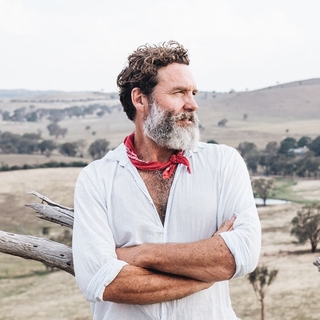
Mate,
This is it,
Like,
You need to start your journey,
You need to step up and own some things.
And I rang Bing about 4.
30 that morning,
So I was still blind drunk.
And Bing said,
Mate,
You're weak,
You're as weak as piss.
And I said,
What?
And he said,
Yep,
You only ever ring me when you're drunk,
You only ever ring me when you're complaining down the phone about how hard you got it.
And Bing's got his own incredible story and journey that he can tell.
But he's been through a hell of a lot more than me and he called me on it.
You know,
Best mate who just called me on this behaviour that was destructive and he said,
Ring me tomorrow.
He said,
I love you dearly,
I'll be here for you forever.
Ring me tomorrow when you're sober and that'll tell me if you're up for the challenge.
That was Tommy Herschel and you're listening to The Regenerative Journey.
We acknowledge the traditional custodians of country throughout Australia and internationally and their continuing connection to country,
Culture,
Community,
Land,
Sea and sky.
And we pay our respects to elders past,
Present and future.
G'day,
I'm your host,
Charlie Arnott.
And in this podcast series,
I'll be uncovering the world of regenerative agriculture,
Its people practices and principles and empowering you to apply their learnings and experience to your business and life.
I'm an eighth generational Australian farmer who transitioned my family farm from industrial methods to holistic regenerative practices.
Join me as I dive deep into the regenerative journeys of other farmers,
Chefs,
Health practitioners and anyone else who's up for a yarn and find out why and how they transition to a more regenerative way of life.
Welcome to The Regenerative Journey with Charlie Arnott.
G'day,
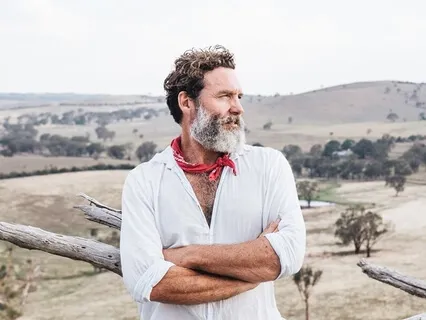
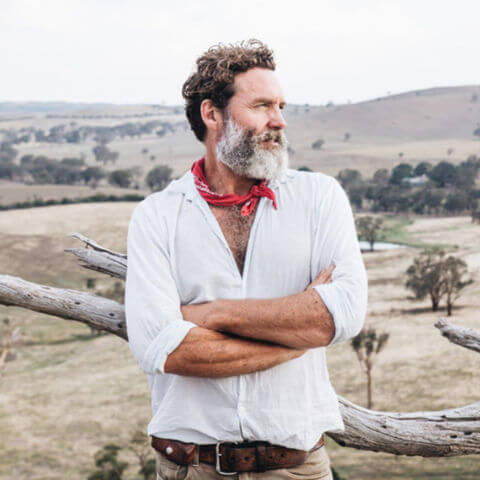
Super excited to be bringing you Tommy Herschel.
It's a two part of this one.
This is the first part,
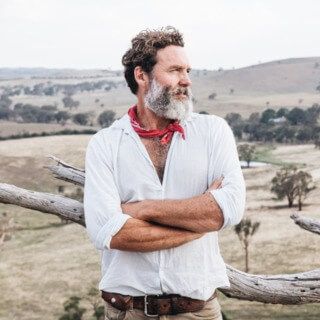
Sat down with Tommy some months ago at his beautiful house,
Family home at Pittwater,
Overlooking the beautiful Pittwater waterway there.
Tommy grew up in the northern beaches of Sydney in New South Wales,
Here in Australia.
And I've just got to thank Tommy for his courage in sharing what he did over those two hours.
The trials,
Tribulations,
His journey from a young man growing up in Queensland to where he is now.
And what he did so well was really emphasise how he turned adversity and some pretty devastating experiences in his childhood into something that is bringing so much joy,
So much healing and so much improvement,
I guess,
In mental health and relationships in other people's lives.
So I won't spoil it all.
We did talk about his early childhood,
Some of those particular incidents that led him to where he is now and really defined his journey to this point.
He's still a lot ahead of him.
Really interesting guy,
I can't tell you.
He tells a very funny story and a very good yarn.
He doesn't sugar coat the yarns.
He doesn't make them up.
Just his approach to storytelling and authenticity in life is really inspiring stuff.
Also we're really excited to announce that we are setting up a Patreon account or platform.
That basically means that you as listeners of The Regenerative Journey can help support the creation,
The continued rolling out of series three,
Basically for the cost of a couple of coffees a month.
In return,
Knowing that you'll be supporting series three,
Also getting access to exclusive content such as a monthly webinar with some of our interviewees or people you may nominate.
That's in the very least.
We're probably going to throw a few other little bonuses in there as well for you,
But hopefully you'll see that or you'll be attracted to the carrot we're dangling of a webinar with people like Charlie Massey,
David Marsh,
Damon Gamow,
To listen and get exclusive access to them,
Q&A once a month on a webinar just for our Patreon members.
So very excited about that.
More details on our website charliernt.
Com.
Au and also just let you know that we've softly launched our website.
We're still tweaking it.
We'd love your feedback.
It's there for you to use and to start your own regenerative journey or continue your own regenerative journey.
Help yourself to that and enjoy and really appreciate your support as a Patreon member.
Just a little suggestion maybe for Christmas,
A present for your partner or friend.
Buy them a Patreon membership so that they too can tune in to our webinar once a month.
Exclusive content with interviewees and anyone else you might choose to suggest we interview and jump on a webinar with.
Hope that excites you.
It's exciting us a lot.
Workshops.
We're running next year.
We're lining a few up.
We'll be in South Australia at the end of April,
Early May.
We'll be in Queensland there in autumn as well,
In Victoria if all goes well down there.
Quite a few in New South Wales,
Back at Hanamino,
At Boorowa.
Preparation making and an introduction course as well as the biodynamic stuff.
We're also going to be doing a natural sequence farming course,
Which is Peter Andrews has made famous by or created by Peter Andrews.
His son Stuart is running as part of the Park's range of courses at Hanamino,
The natural sequence farming course.
Very excited.
By the time you hear this,
It may even have filled up because I only put it out there about 24 hours ago and I think he sold a quarter of the tickets already.
It's only 20 tickets available,
So get in quick.
There we go.
As the birds chirp in the background,
Let's get into Tommy Herschel.
Yes,
It's gone.
It's gone red.
That's a bit odd,
Isn't it?
Because normally red means stop,
Red means go.
Yeah,
And sometimes I look at it and I go,
Oh hang on,
Am I recording?
We are actually recording because it is red,
Tommy.
So Tommy Herschel is our next guest.
I'm sitting next to him and mate,
Tell me as I want to do,
Tell me where we are and maybe tell me,
Actually no,
I'll give you a quick little intro.
It won't take long.
Grew up in Churgin,
Served time,
Now he's here with us.
No,
I didn't serve time.
Thanks for the interview,
Tommy.
So I met Tommy,
Oh actually we met at a conference in Melbourne.
Oh,
The green shoes,
That's it.
Are they the same ones?
Same ones,
Yeah,
Same boots.
I'd never seen a pair of green desert boots before and Tommy had them on.
He was there talking about bees and,
As one of the things he was talking about,
And we met and it was fantastic and then we just kept in touch and then you came down to Burraway,
You bought some hives,
Some beehives,
Our first beehives,
I've been wanting to do that for years and you turned up with these with two,
I think it was two.
Two hives and Tommy can tell us about his bee world,
Bee journey.
And then we went from there,
Mate.
The bees have gone on from there and you've been doing some fantastic things,
Which we'll get to,
But I want to kick off,
Back to the original question,
Mate,
Where are we and why are we here?
Apart from we're doing the interview here,
But what does this mean to you this year?
Mate,
Look,
That's an interesting question straight off the bat,
Really,
Because I don't think I've ever really thought about what this place is for me.
This is where I'm pit water on the eastern side,
Looking over at Goringai National Park,
The Hawkesbury River just around the corner,
A heap of history up in the Hawkesbury.
And mate,
We're literally sitting on the bank of it right now.
Well,
This is the pit water,
I guess the pit water side of it,
Pit water entry.
Mate,
It's a beautiful high tide,
Or as my stepfather said,
A flooding tide,
Which is always a good time to sit out and have a think about what's going on and reflect,
Mate,
The sun's setting.
But yeah,
This is home,
Mate,
Has been for around five years,
But I'm a very proud Queenslander,
But I'm now living down here.
I've been down here for 13 years,
But yeah,
This is home.
So we're pretty blessed,
To be honest.
And we're looking out over pit water,
There's little boats bobbing there on the moorings,
And we were just looking at some pomerants and some seagulls.
We weren't sure they were having a feed or having a play or,
I don't know,
God knows what they were doing.
They might have been having a lookalike competition.
Have you heard that one about the seagull that got lost?
No.
And Blake said,
Mate,
What are you doing?
He said,
I'm looking for my brother.
And I said,
Mate,
Can I help you look for him?
What's he look like?
Awful jokes.
You've got to remember him,
Our school teacher.
There we go.
I think,
Didn't we find one of these?
We did.
Top one.
Oh no,
It's a book.
There we are.
I'm getting used to this one now.
We won't use that too often.
We can tell some more jokes.
So that's where we are.
It's amazing.
It's beautiful.
The sun's coming down and it's a fitting setting.
I like to grab my interviewees in the natural habitat and I'm sure we're going to go as deep as we need to go,
Tommy.
So tell me,
The podcast,
It's called The Regenerative Journey and what I'm focusing on is I'm interested in people's journeys,
How they've got to be where they are and to be the people they are.
And everyone has a wonderful journey and I know a fair bit about yours.
And that's why we're sitting here.
Because I think there's two things to this.
There's the journey you've had and what you may tell us about that.
And then there's,
I guess,
Which is linked,
It's what you're doing now.
Which I dare I say is basically set up,
Your history and your journey is set up this sort of amazing work that you're doing everywhere.
So let's go back to Coogan or Tuggan.
Yeah,
Tuggan mate.
Is it Tuggan or Tuggan?
It's Tuggan.
Tuggan,
Yeah,
Yeah.
It's T-U-G-U-N.
Won the comp in 86.
We lost in 87 and a great halfback called Crackers Goodwin.
One of the great halfbacks.
Crackers.
Yeah,
Crackers.
Brian Sorrie Peterson was out on the wing.
He was the local plasterer.
His nickname was Sorrie because he owed everyone money.
So a bloke would come up and go,
Hey mate,
Where's that cash?
And you'd go,
Oh sorry.
So yeah,
But I thought his first name was Sorrie.
Sorrie hasn't been seen for a while,
So who knows what's happened to him.
Mate,
Yeah,
Look,
Grew up in Tuggan in a little street called Wagon Street.
Mate,
Beautiful part of the world to grow up really.
I spent my days riding my bike around Tug's,
Playing Double Dragon down at the arcade with my mate Dingo,
Who's a great bloke.
He lived across the road.
When we went down the arcade playing Double Dragon,
We were making Shanghai's and throwing rocks on roofs and knocking on doors and throwing water bombs and just being little blokes,
Little kids,
Getting into trouble.
Dingo was always hurting himself.
He was the sort of kid,
Like you'd throw a rock the opposite direction of where he was and you'd turn around and it's gone in his eyeball.
And so your mother took him.
He was accident prone.
Accident prone.
Playing tennis on the Barry's tennis court of an afternoon and they used to throw that awful white stuff.
What is it?
Lime.
Lime or like a nitrogen.
No,
No,
To get the grass growing.
Oh really?
Oh,
Urea.
Yeah,
Urea and it would burn your feet because you had cuts in your feet.
So you'd spend your afternoons walking around going,
Ah,
Ah,
Ah,
Doing all that.
But mate,
Awesome childhood.
Sounds fantastic.
Yeah,
Yeah,
It was good.
And just surfed,
Mate.
That was it.
Surf,
Swam,
Went to Crumman State School.
And I guess that was right up until I was the age of 10 and then my parents split and that's when I guess for me my whole world changed.
So what changed about it?
I guess I'm blessed that my parents are still together and very happily married,
50 plus years.
I can't imagine what that means for a young fella.
Yeah,
Well it's interesting.
I listened to one of your podcasts today and I love the fact about this podcast it's called that regenerative journey.
Because I think if all of us had a look at our lives,
You know there is that regenerative aspect in our lives.
If we're honest enough or brave enough or even uncomfortable enough to dive into that.
So I guess for me,
When I say about it all changed,
My old man,
He sort of moved off out of the Gold Coast up to far North Queensland.
So he moved two and a half thousand k's away up to Port Douglas.
Mum stayed on the Goldie.
I'll never forget it.
It was,
I came home from school I think one day and the house was sort of packed up semi and I was going what's going on here?
And there was a note on the table and we had one of those awesome old red Ford station wagons and my sisters I remember I think were sitting in the back of it already and I got and sat in it and we're going what's going on?
And we're driving along in the car and Mum just didn't turn around.
Like Mum didn't.
She was just driving and she was sobbing and my sisters were,
They didn't think,
I didn't think they had any idea what was going on and I still didn't remember exactly where we were when Mum turned around and we're out the front of Cab Steakhouse on the Gold Coast.
If anyone,
Gold Coast crew listening,
It's the old Southport Brisbane Road at Labrador and we're just going over this little bridge and Mum turned around and she looked at my sisters and I and she said,
I don't love your father anymore.
And I remember just instantly at the age of 10 it was I opened up the door of the car and put my leg out to jump out of the car and it was just this reaction and I remember my older sister Sarah who just put her arm around my throat and reefed me back into the car and I remember the whole way to Brisbane Mum crying and trying to explain to us what was going on and she said when we get to my auntie's place,
Auntie Janet,
She lived in Calamvale and she had this big property and she said when we get there I'll sit down and I'll take you through it.
Mate,
I was 10,
Like at 10 how do you sit down with a 10 year old and explain that I don't love Dad anymore?
You know,
Long story short,
We ended up going back to the coast and Dad was sort of staying back at the house and we'd moved in with my grandparents who were just up the road and I was back at school by then,
I was at Crumman State School and I was an angry little fella.
Like I didn't know what was going on and this is I guess all part of the work that I do which we'll go into but I'm pretty honest,
Well I'm really honest with everything that I talk about and even the uncomfortable parts.
I mean even in this podcast like explaining to people,
There'll be moments where I stop and there's a bit of a shake in the voice and that's what my work's about,
It's about normalising all of that.
So yeah,
For me mate,
I went back to primary school.
I was in year five I think or year six.
I had a pretty brutal teacher in Miss Cause and she was just like just on me like a rash and mate,
I was on everything else.
I was loud,
I was a smart ass,
I was trying to be the funniest in the room.
I'd talk a lot of rubbish like I'd tell a lot of lies to the boys like as in lies as in like stories that weren't true but I was just in this stage like I know now where I was just like screaming out for attention,
Screaming out because I was hurting.
So you weren't necessarily behaving that way prior to the.
.
.
No,
I mean before that I was your average smart ass,
I was your little kid who,
I mean I suffered a lot of homesickness and things like that.
Like I hated,
I experienced a lot of anxiety as a kid but even in my,
You know that was geez what am I 40 now?
So 30 years ago,
I don't even remember being told that I had anxiety or had heard the word anxiety or just remember being told you'll be right mate,
You know like come on suck it up,
You can stay at your mate's place and you don't need to ring me in the middle of the night.
So I was one of those kids who I'd get to the middle of the night and I had a teddy until I was about 13 years old.
I've still got it up here in the house.
I've got a bunny.
A bunny and you know,
I had that with me all the time.
But yeah,
I just remember after that breakup,
I just remember being that kid who was just angry and screaming out.
The anxiety lifted to a whole new level.
When we go on swimming lessons in the morning,
Like I'd ride my pushy to school and get to swimming and there used to be this big audio dynamite song that used to come on every morning.
That one,
I won't even try and sing it cause I'm an awful singer.
Yeah.
Yeah.
Yeah.
The kind of 90 90.
Yeah.
90 90.
Yeah.
That's it.
Do what you like.
So that you can tell why I didn't become a singer.
I know the one.
The CFM on the Goldie used to play that every day at exactly the same time.
And it was about 10 minutes after swimming and finish and it would come on and mate,
I'd just click like I'd just go into a state of panic.
School started at nine.
We lived about 20 minutes from school like on the pushbox,
But I'd get on the pushy and I'd ride home and I'd ring dad.
He would ring his ring him at work.
His mobiles even weren't around then.
So I'd ring him at work and just check you're all right,
Man.
Cause I was worried he was going to,
You know,
Um,
Trashy truck that day or something like that.
And I'd just check she was all right.
And then I'd bolt back to school and some days I'll get back to school and I think she is a dog locked up and I'd ride back home.
And I was just this kid who was 10 years,
11 years of age in a state of panic.
Um,
Anyway,
That went right through really into high school.
Um,
Long story short after school it got into for me drinking because drinking was just the best way for me to go into those behaviors that I exhibited in the primary school,
Which was being loud,
Telling lots of stories,
Telling stories that weren't so true.
But you know,
We always say like,
Um,
Oh,
You put a bit of cornflour in mate.
That's a bit of a tall story,
But you did it to get that attention and get people to hear what you're saying because realistically underneath you,
You're crying out.
Um,
But for me,
Alcohol as well was,
Um,
I mean,
I can't tell you the number of times I sat here,
You know,
Drinking till three,
Four in the morning and supposedly,
You know,
There's that saying,
Well,
It's solved the problems of the world with a,
With a bottle of rum or a bottle of red.
Um,
And that's what I thought I was doing.
You know,
Like with that,
That those are the times where I'm allowed,
You're allowed to cry.
I was allowed to get at three in the morning and text my mates and tell them I love them.
I was allowed to,
Um,
Be angry.
I was allowed to be emotional because they're all the things we're allowed to do,
You know,
When we're drunk,
Um,
As blokes,
I know,
You know,
As a bit of a bloke for all.
So that was strong for me.
Like I pushed through hard with that for a really long time.
Um,
Coming out of school,
I was really lucky during school at a really good woodwork teacher called Johnny Keneally crackers.
Um,
Remember one day in high school,
Like we used to take the piss out of crackers to no end and,
Uh,
Crackers used to before finishing up,
Just going back a bit on the story of it,
Just before finishing up woodwork,
Crackers would walk around the class going,
Righty oh pack up,
Righty oh pack up.
And me being the ringleader,
I'd walk around about six minutes before crackers started yelling out going,
Righty oh pack up.
And we'd just write him off to no end.
And,
Um,
And one day came over to me and he said,
Man,
Have you ever thought about being a teacher or being in radio or you guys,
You got a strong voice?
Like you could be a leader one day.
And I was like,
Peace,
Crackers.
I actually said worse than that.
And,
Uh,
And he goes,
No,
No,
I'm serious.
And he walked away and I went,
Well,
Someone just showed some interest in me.
Like just gave me a bit of a rat.
Um,
People had been probably expecting,
You know,
My mom had probably been trying to do it and my stepdad,
My dad,
Maybe even,
But I didn't want to hear from them.
You know,
Like they were the people who sort of,
At that time I was angry with.
Anyway,
About two weeks after that,
I was driving home from,
Um,
From school or driving home from somewhere late at night.
And,
Um,
Crackers was coming out of the pub and he was pinballing up the road.
He was blind drunk and I pulled over and said,
Hey crackers,
You want to live home mate?
He goes,
Yeah,
Yeah,
Yeah,
I love one.
I've had a few.
And I said,
I can see.
Got home to his place about 11 o'clock and we sat up in his lounge room until three or four in the morning and just talked about life.
And I was grade 12 by that stage.
Um,
Grade 11 or 12.
So I was just started driving to school.
I probably shouldn't have been driving even.
I was probably,
I probably driving without a license.
Um,
But that's sort of how I rolled,
You know,
I was at this sort of bloke with a chip on his shoulder and crackers sat there and listened and,
And he's the reason,
Um,
When I left school,
I became a school teacher because he,
He listened to me for the first,
It was this bloke and I was like,
That's all we got to do is listen.
Does he know that?
Um,
I don't know if he does.
I wrote him a message the other day.
He's pretty crook.
Um,
Yeah,
Like I get emotional talking about old crackers cause he,
He's had a rough time crackers.
He sat there that night telling me he'd never had a family,
Never,
Never had kids,
Never,
Never been married and he'd been in love and his heart had just been broken and,
And he dealt with it by going to the pub.
He dealt with it by drinking hard and,
And,
Um,
I was only with him two years ago maybe when he,
When he had a stroke at the,
At the bowls pub,
He was just sitting there drinking a schooner and he just fell flat on his face and,
And it was huge for him.
Um,
But he fronted up and,
And he went and got a bit of help and yeah,
He's an incredible man.
Um,
Johnny Keneally.
Um,
But yeah,
Then,
You know,
Finishing up a school,
I became,
I went and studied to become a school teacher.
I got a job working for a surf magazine,
Traveling the world,
Like I traveled for 10 years on and off and,
And I was,
It was awesome cause my ego got to be inflated cause I was this important person traveling the world and wasn't making much money,
But I was traveling around.
I was getting to drink heaps.
I was getting to go to all these parties where there's lots of women that I could chase and have this destructive behavior.
And you know,
Again at the time I didn't see it as destructive.
I just saw it as this chance to be seen,
Be heard,
Be loud,
Feel the ego and all that sort of destructive stuff.
Um,
And it wasn't until I guess,
You know,
About,
Um,
I was lucky enough,
Sorry,
While I was traveling to meet my wife,
Claire,
Who's,
Um,
We've been married now 13 years and,
And I made,
I call myself the luckiest person in the world cause for nine years she was incredibly patient.
I continued on with that drinking behavior,
Um,
Well on into our marriage.
Um,
I mean I was severely committed and loyal to her.
I've never,
Never jumped any fences or chased any cars.
Um,
But that drinking behavior just didn't stop.
And mate,
What I discovered as I got further and further down the track of that destructive behavior was how much I was a victim and playing this victim behavior.
And so what I would do is I'd sit where we are here now and,
And I'm really lucky in one of my best mate,
He's 68 years of age.
And when I talk about him,
I mean,
You know,
Well being,
Um,
I love being more than anything and being an eye can fight like,
You know,
Like professional boxes and,
Um,
And we can,
You know,
We can hug and hold each other like,
You know,
I don't know,
Romantics.
We love each other and we can,
We can do it all.
Um,
And,
And mate,
I used to get absolutely full of grogg.
I'd go out and play up and,
You know,
On the,
On the grogg by being that smart ass again and being loud and being rude.
And I'd come home here and,
Um,
You know,
I'd been out and had a great time to come home here and I'd sit with Claire and I'd tell her how,
How tough I got it,
How knowing,
You know,
My dad doesn't love me and you know,
And it's like not to have a dad who loves you and this that and the rest.
And,
And you know,
My old man,
He does love me.
We've got our own thing that's going on and we're working with that.
And,
Um,
But all I was doing at that time was taking the easy road,
You know,
And that's the,
The Paul me behaviour,
The victim,
You know,
No one knows what it's like because I didn't have the balls to step up and go,
Hey,
I've got an issue.
Um,
And it wasn't until one night where,
Um,
I was sitting in here and,
And the behaviour had been going on.
Like,
Man,
I think I mentioned to you before,
I could drink 15 to 18 beers.
And a day and you wouldn't even know,
Like I'd surf three times a day as well as drink as well as,
You know,
When I was first started teaching,
I was taking Valium when I was in the classroom,
Like I was just dumbing down every single behaviour that,
That was going through my mind.
I mean,
I've got rats and mice in there that still run around,
But I've got the tools these days to operate with them.
But in those days it was alcohol and,
Um,
That was the way to,
To service it.
Um,
And then yeah,
One night in here,
Um,
Excuse me,
I had two blokes who were telling me I needed to see a kinesiologist.
Now I'm from Chuggan.
So,
I mean,
We didn't have kinesiologists in Chuggan.
We didn't have massage therapists in Chuggan.
We did,
But they were the sort of ones that blokes went to,
You know,
When they shouldn't have and things like that.
And,
Um,
And they worked at the footy club,
You know,
As physios and that,
That was the closest we had to any sort of health,
Um,
You know,
Specialists.
And um,
And I was just getting angrier and angrier and I use this theory in life that,
Um,
I picked it up from a good mate of mine,
Kane,
But I was just jamming all of my stuff into this one big Coke bottle,
Just jamming in and jamming it in.
And it was just billowing.
And in this one night it got to this point where it was just about to explode and,
Um,
And they kept at me,
You need to get help about this and go and see a kinesiologist.
And I just had a bottle of red wine in front of me and I picked it up and made a scald it top to bottom and then I threw it across the room in the house here and,
And it smashed.
And um,
And Betty was maybe six or seven at the time.
Alfie was four or five.
And um,
This is how many years ago?
This is,
I was 35 years of age then it was February,
February 10,
2017.
Um,
I'm 39 now if that,
If that adds up.
So I might've been 36.
Um,
I should know I'm a school teacher.
Um,
But yeah,
The bottle of wine smashed across,
Across the room and um,
And I proceeded to trash the house till three 30 in the morning,
Punching holes in the wall.
No one knows what it's like.
The poor me behavior ended up under the house at three 30 in the morning.
Betty and Alfie both crying for me to stop.
Claire standing across the other side of the room was looking and going,
What's going on?
And me under the house,
Literally just saying,
I want to go home.
I want to go home.
And not just,
I want my mum,
But I want mummy.
Like I want mummy.
And I remember that in my head the next day going,
Mate,
This is it.
Like you need to start your journey.
You need to step up and own some things.
And I rang Bing about four 30 that morning.
So I was still blind drunk.
And um,
And Bing said,
Mate,
You're weak.
You're as weak as piss.
And I said,
What?
And he said,
Yep,
You only ever ring me when you're drunk.
You only ever ring me when you're complaining down the phone about how hard you got it.
And Bing's got his own incredible story and journey that he can tell.
But,
Um,
He's been through a hell of a lot more than me.
And,
Um,
And he called me on it,
You know,
Best mate who just called me on this behaviour that was destructive.
And he said,
Ring me tomorrow.
He said,
I love you dearly.
I'll be here for you forever.
But ring me tomorrow when you're sober.
And that'll tell me if you're up for the challenge.
And mate,
Um,
Rang him the next day.
Went into a place down here in Sydney called South Pacific.
I didn't do a program or anything like that,
But they sent me to a lady called Elizabeth.
Um,
I did nine months of absolutely no drinking at all.
And I just,
In that nine months,
Um,
I just discovered everything that I'd been doing wrong.
Like I love today,
I listened to your podcast and I love that analogy used around the paddock between your ears.
Um,
And if I'm to look at the way that I treated my mental health in those early days,
All of my problems were rising up and sprouting up out of the ground and I was dousing them with alcohol.
So instead of dousing them with alcohol,
You know,
A farmer douses them with a Roundup or the grazing or whatever.
I was just putting it out with alcohol.
Drugs were never my thing.
I was never,
I had a bloke who said to me once,
He goes,
Mate,
Don't you ever do drugs.
You're already messed up enough as this.
And I'll never forget that.
Yeah.
Um,
So mate,
That was,
That was pretty much the start of this journey.
And I'm,
And I'm,
And I'm open and honest when I say I'm on it every day,
This journey.
In that,
Um,
Tomorrow could be a tough day.
I mean,
This morning I even woke up with,
You know,
The rats and the mice rang around a bit.
What do I got to do?
I've got to jump in and do a few pushups or I've got to go for a run or I've got to have a swim.
Well,
Some days I can't do anything and some days I'll make mistakes like I made in the old days.
But that's all about my work now.
It's about encouraging young blokes that we're allowed to make mistakes.
And this is what Bing has taught me the most.
It's how we come back from those mistakes that makes,
Makes a man a man.
Just on those nine months,
Tommy,
Where you would,
You'd got to the point of you need to change.
What was it in that nine months where I'm sure there were all sorts of stuff was coming up and out and,
You know,
What was it that,
That,
That you're able to do or say or be so that you didn't regress again?
You know,
Every week that went by,
I'm sure there was another,
There was a hurdle or something.
What was it?
What was some of the,
I guess what I'm getting at is,
You know,
And we can go,
There's a lot more to it.
This is a,
This is a huge story and I've got to thank you so much for sharing.
No,
No.
You know,
What listeners that,
That,
You know,
Maybe in similar situations or a family or friends,
You know,
What,
What are some of the things that you implemented then that you were taught or they just innately came to you as a,
You might've had some resolve and said,
I'm just not going to do that.
What was,
What was some of those things?
Mate,
I think for me it was,
I mean,
Straight up and then there's emotion on it now for me is,
Is being like a,
Like,
Yeah,
I can't.
I can't put across what he did for me as a man and saved me in a,
In a sense,
Just his honesty.
So I think the number one thing was I went from having a thousand mates so I could beat any pub and note 50 blokes and they would just look at this incredible big seagull flying overhead.
Beautiful.
It's hot.
It's almost like moving.
Yeah.
Just sitting there.
The seagulls will get into it in a moment.
It was being,
Uh,
Yes,
I had a thousand mates everywhere.
I guess I could be at the pub and I could do all those silly things and play up and be stupid and,
And I'd wake up at three in the morning with the horrors and,
Uh,
You know,
What have I done?
I'll get these text messages,
Mate,
You're that funny.
The way you throw that schooner across the room and you know,
Running from that cab and all those sorts of things.
And,
And then I would come down to the lounge room and Claire would be in tears,
You know,
And she'd be like,
What have you done?
Why do you do this?
Why do you continue to do it?
And for me,
I think the moment that it changed was,
Um,
I remember that first few weeks of,
Um,
I got another good mate in a guy called Aidan Sarsfield who used to do this three months off the grog and three months on it.
And I said to him one time,
I go,
Mate,
I've got to do something about this.
I go,
I've got to get off the grog and I've got to experience it just to see what it's like.
And,
And I remember when I,
When I had that,
That meltdown that night,
You know,
And my coke bottle exploded,
Um,
I went to a party at his place and a few of the boys sorta that I'd been really good mates was sort of stuck at the end of the veranda.
Like I was covered in spiders.
And for the first time ever,
I sat like you and I are now with a glass of mineral water.
And um,
And no one really came near me.
It was like I was covered in spiders because I was breaking that ultimate rule of hey,
Tommy's normally the guy who drinks heaps.
They hadn't seen Tommy.
And they didn't know who it was really in a sense.
But in a,
In a,
In the other,
The other,
The more the positive out it was,
I'd never sat with my wife at a party before and had a conversation with one of her friends in a way that I had that day.
Like,
Um,
So one of the thing that didn't make me regress was,
Um,
Just that,
That honesty,
Seeing that honesty for the first time that I could own my stuff.
So issues with my old man,
Um,
You know,
My old man is,
He's,
I call it second world war,
You know,
Descendant in a sense.
So he,
Before I had this journey of opening up and being honest and mate,
There's still days when I struggle with my old man and he,
I know struggles with me,
But before I went through any of this,
I didn't,
Didn't care at all about his stuff.
It was like,
Mate,
You need to change and why you like this and why don't you do this?
So I was just shifting everything onto him,
But the minute that I sort of stopped and known that,
Hey,
I can change some things.
And what I can change is owning what's going on in our world.
So for me,
Um,
I can own the fact that I've been angry,
I've been loud,
I've been rude.
Um,
But you know,
The drinking's not helping.
There's things that I can put in place that are going to turn all that around.
Um,
That's going to help me.
And the other thing that I did,
Number one,
That really has helped,
Um,
Was investment my time into a bit of his story and I've never actually sat down with him.
We're going to see him actually next week and,
And I'm going to try and do that one day.
That's my challenge.
Um,
Yeah,
You know,
Just to sit with him and talk with him about emotions and cause in his day,
Mate,
You know,
You didn't do it.
Like my old man,
My grandmother was dying.
She was 101 and we all thought she was going to lamb's fry.
So we bolt up there to the Goldie and we're laying in bed with her and everyone left some room and I stayed next to her and I said,
No,
Tell me about what life was like.
Um,
You know,
Back in the day,
You're 101 and she gave me a few names.
So we Googled it and we just discovered all this incredible history about a family.
And the one thing though that really struck me was she told me a lot of stories about grandpa when he came home from the war.
This is my dad's dad.
And she said he was incredibly anxious.
He was angry.
Um,
He jumped at any backfiring car that went past.
Um,
You know,
Got off the train in Roma street and he,
And he was pretty that day that he came back from the war and he was happy to see her,
But he was,
Well,
He was,
He was a changed man.
And when Vietnam,
The roll call for Vietnam came through,
Um,
My old man's told me the story that,
Um,
They're sitting at home and dad's number didn't come up.
So he literally got up out of the chair and went to the pub and he went to the pub.
Dad went to the pub for three days,
He said,
And he came home and,
Um,
When he walked back in the house,
The grandfather said,
It's a shame you didn't go to,
Didn't go to war.
And he said,
What?
And he said,
Well,
It's the only thing that would have made a man out of you.
And my old man apparently just looked at him,
Looked at the room,
Uh,
That he was staying in,
Grabbed a clean shirt out of it and went back to the pub.
Um,
So,
You know,
My old man's had a pretty rough trot as well.
Um,
Look,
And I can be honest and safe and I'll say this to any young bloke that I'll work with,
It's not an excuse,
But what it does by hearing my old man's story a bit more or understanding or acknowledging it is I gained some empathy for him.
Um,
And I learn a bit about him,
So I'm not so abrasive on him.
Um,
You know,
I don't come up against him like he's a competitor.
I come up against him like we're together on this.
Um,
Cause we've both experienced,
I guess,
Even in the same,
The same thing around,
Around fathers.
Um,
And I think the number one thing for me too,
Is this battle of making sure I don't regress and that I've got Betty and Alf,
You know,
My two kids,
Betty's 10 and she's an amazing young woman.
And then Alf who's seven,
You know,
Um,
And I'm blessed with one of the most incredible women like I couldn't ask for a better wife.
Like she's just been so amazing in my journey and her patience.
What was,
What,
Just on Claire,
Um,
And you told me some stories and you know,
And,
Uh,
Similar to the ones you've just told me now in terms of,
You know,
Your behaviour and in the home,
In the home set of space.
I mean,
What,
What is it about Claire that,
Uh,
If I can ask that,
You know,
She stuck,
She stuck with you.
Why?
Yeah.
Um,
I'd love to actually sit with her and ask her that one day myself.
Um,
It says so much about the woman she is.
She's the lady who has,
I say no filter.
So I can walk into a room and I'll say I'm in a room full of dickheads and she'll say I'm in a room full of people.
You know,
And also I'll judge straight away and she'll just go,
They're just people who,
You know,
There's an opportunity to learn something here and learn something there.
So maybe with me,
You know,
She saw that there was an opportunity for me one day to,
To,
To be a person who had something to give and,
And luckily,
Lucky for me that she did stick around and I did get to,
Um,
You know,
Be that person.
You know,
There are days,
I mean,
Even this morning there was,
You know,
I slipped back into that old behavior of Paul me and the victim me and she,
She did what Bing did that day and,
Um,
And she doesn't soften.
She literally just fronts up and goes,
Hey,
This isn't working.
You know,
This is this,
You know,
This is that.
Um,
She softens a little bit,
You know,
Enough,
Um,
For me to listen and hear it.
Um,
But I think just as the person she is,
I mean,
She,
What she does with her work blows me away.
She's one of the most generous,
Kind,
Um,
Open thinkers that I've ever come across.
Um,
You know,
Our marriage is,
Is about,
Um,
You know,
Our two kids,
But as well,
It's about our,
Both of our individual stories,
My life or my work,
Um,
Or what I'm doing doesn't depend on her and the same for her.
You know,
I don't,
Um,
What I'm doing doesn't change what she's doing.
She's just this woman who's got this incredible direction.
And um,
Yeah,
I think she just had this patience that,
Um,
That,
That gave me the opportunity to go,
Okay,
I can break this cycle.
You know,
Like I look at my,
My grandfather and what he went through with war and five years,
The trauma he had,
Then I look at my father and what he experienced.
And then,
You know,
I've got this opportunity to break the cycle so it doesn't get passed on to Alf and Betty.
Um,
How much was that,
How much was that,
I guess,
Termination for that not to get passed on?
How much did that come into the,
You know,
Your will to do,
To do this?
You know,
You had kids,
You were a father,
You know,
Family and,
Um,
My huge,
I mean,
Just the,
All you have to do is,
And again,
It's me being brutally honest,
Walk around any home that we've lived in and there's holes in the wall that have been patched.
And for me,
That's a reminder of that man that I don't want to be,
Which was that coke bottle which explodes,
Which is the anger that,
You know,
Just builds up because I didn't know any other way to get rid of the anger.
I didn't know how to talk about my emotions.
I didn't know how to own my stuff.
I didn't know how to surrender to things like anxiety and panic and fear.
Um,
I didn't know that instead of,
You know,
Waking up and dreaming of drinking six cans that they wake up and dream of running four Ks and then sitting down and feeling that burning feeling or that,
That acknowledgement of where you've done something.
Um,
But I guess as well,
I mean,
My kids,
It's one big fear,
I guess that I've got that they are going to experience,
You know,
Moments where they have to go and see someone and talk to someone about what they've been through or what they've seen as a young person.
But that's everything that my work's about now is about making sure that when I do get to that moment,
They do go and see a professional and have a conversation because I didn't,
You know,
I waited till I was 35 or 36 there and on the way I caused a lot of chaos,
A lot of trauma.
You know,
For my mum,
Like I think about my mum,
She sat so many nights while I drunk in front of her with her and you know,
She'd be crying because I'd just be pointing the finger at her going,
You don't know what it's like and this victim mentality.
Whereas if I just turned it around and said,
Mum,
Like,
Like,
Why,
Why did you break up or why?
And she could have told me,
You know,
She's been with her partner for 28 years or 30 years now and he's become not,
Not only my stepdad,
But like one of my best mates.
Um,
And that's a big thing for me to say on something like this because I know my old man,
So a lot of hate and anger for him and my mum,
But I'm my own man now,
You know,
Like I have to acknowledge those relationships that I've gotten.
And the minute that I think of my mum and the minute I think of the love that they've got her and her partner Kenny,
Like that's beautiful.
Like how can that be denied?
And they have their moments,
You know,
As we all do.
But yeah,
I think the number one thing that makes me not go back into that victim mentality all the time is,
Um,
You got to stop,
Think about the other person,
Think about the story and as well,
You know,
How do you want to be seen down the track?
Yeah.
So how do you want to turn up?
Mate,
I'm going to get you to tell a joke.
Yeah.
Only because this isn't a joke.
This is a serious story.
This one.
No,
I know.
No,
No.
Have you heard about the Irish school board?
Do you want me to tell you that now?
Or is it?
No,
I'm just going to get the battery on that phone because it's just telling me it's on low power.
So I want to see you gale out.
It won't go long though.
Is that all right?
There's a couple,
There's a couple.
I can do a couple.
So Bing was,
Bing was telling me about the,
Um,
About the Irish school board.
I've had a few issues with the,
Um,
With COVID run out a bit of cash run out of money.
So they're going to have to go through and sack all of the lollipop ladies and men to save money.
So instead of having lollipop ladies and lollipop men,
They're just going to put all the schools on the other side of the road.
That's one of Bing's jokes.
Were you hoping that was better?
No,
No,
They're never rude.
Like the time I come across the lady out near Narromine with this brand new Jayco and I pulled up and I said,
That looks like the most incredible Jayco I've ever seen.
And all of a sudden she said,
Mate,
I'm just having a quick game of chess.
Would you mind?
I said,
Where's the other person?
She whistled,
This Kelpie jumps up,
Moves a piece,
Pushes it across the board,
Took off into the bush.
She said,
You're kidding me.
And she said,
It's good this dog pushes another piece.
Dog comes back,
Pushes another piece.
I said,
That's gotta be the smartest Kelpie I've ever seen.
She said,
Don't get too carried away,
Mate.
He's only ever beaten me once.
Bad jokes,
Mate.
Bad jokes.
No,
I love it.
I love it.
I can't remember any jokes and I'm not going to,
Um,
Um,
Oh no,
There's one,
There's one while we're on a bit of a segue moment.
So what did,
Um,
What are they,
I'm going to back it up now.
What do they call postman Pat when he retired?
Pat.
There you go.
Oh,
There you go.
We're good.
Yeah.
Now back to the serious stuff.
Um,
Tom,
What,
What,
What,
What I'd love you to,
Um,
To tell us about now while we look upon the little beautiful pit water.
Oh my God.
It's amazing.
Um,
Is,
Um,
What a spot is to,
Is,
You know,
Is what you're doing now.
And I understand that,
You know,
As I said earlier in the,
In the interview that it was,
It's been your history and your journey and your learnings and your,
Your ups and downs and the,
You know,
The pain is no growth,
Stimulate like pain.
You know,
That's led you to this place,
You know,
To your,
Your current,
Um,
Your current vacation.
Yeah.
Tell us what you're doing.
So my,
Yeah,
Look,
I'm a schoolteacher by trade.
Um,
I was a schoolteacher for 13 years.
I mean,
Once a schoolteacher,
Always a schoolteacher called a chalky,
Call myself a chalky.
Um,
I was lucky enough to teach in India and the UK and here in Australia,
Across Australia.
And um,
I was,
I was always,
You know,
Nine till threes,
Obviously the school hours,
But I was always concerned with what was going on between 3pm in the afternoon and 9am the next morning.
Um,
You know,
It's a little bit like a mechanic,
Like when they come in,
When the,
When someone brings a car in to get fixed,
Yeah.
You say to all my,
What's going on with them?
What's the symptoms?
Is it clunky here or there?
And it's the same with the kids.
Like they come in at nine o'clock and some would be beaten for pace or some would be tired.
Some you could see hadn't had a feed.
Um,
Some would be sprightly.
So now where were you?
Where were you working?
Can you,
Uh,
When I first started,
Oh,
When I first started teaching,
I was at Varsity on the Gold Coast.
Um,
But that was back in the brutal days.
That was in the days,
I guess all the whole time through there I was,
I was on the source.
But,
Um,
The early days was here at Varsity College.
Um,
I went through a really interesting time there and,
Uh,
And I was going to leave and my old man gave me some great advice.
He said,
Mate,
Think about this.
He said,
Have you ever heard,
Thought of the word mate?
And I said,
No,
No,
No.
He said it,
What it means is mate at the end.
You reckon it started in the war and blokes used to say,
Mate,
We're going to mate at the end.
I'm going to,
I'm not going to leave this side.
Um,
You know,
My old man,
He's given me some great things like that.
Um,
Anyway,
I never left this one class.
I was like,
All right,
I'm going to stick it out.
And,
Uh,
And we had an amazing year.
Um,
But yeah,
So I guess this was at Newport in my final time working down here in Sydney when I first realized that I needed to go and do this work because kids were coming in and I started chatting with this young bloke one day and,
And I was like,
Mate,
How's it going?
I slept on the mum's boyfriend's couch last night and I said,
That's not,
He said,
Yeah,
I'll do it three or four nights a week.
And he started telling me his story.
And as a teacher,
You know,
You sort of,
That stuff comes up,
You got to go and tell someone straight away about it and alert the authorities.
And it's just made me think a lot about it and,
Um,
You know,
What else I could be doing and,
Um,
Find your feet,
Which is my little organization.
It sort of morphed out of this thing called Waves of Hope,
Which I started in 2009,
Which is,
I was coming back along this waterway here with an old football,
Andrew Johns.
And I was talking to him about what he was up to and he said,
Man,
I'm going to Samoa next month with Nigel Vungenar after the tsunami,
We're going to hand out a heap of clothes and footy.
And I was like,
Mate,
We've got to get on board with that.
Surfers have got to get involved.
So we started Waves of Hope and we traveled around literally for a month,
Uh,
For a week around Samoa and handed out clothes and footies.
There was no structure to it.
There was no paperwork.
It was nothing.
Joey paid for a shipping container.
We filled it full of stuff.
I rang Volcom Clothing and they would have sloped,
Mate,
Here's 50 grand,
All these labels just went,
Here's all this stuff.
We don't need any invoices,
Whatever,
Just boom.
So it started,
You know,
That started there with,
With Waves of Hope.
And then I was working in the time as well,
About four years later in radio at TUE in Sydney,
Triple M as well.
And um,
One night I was doing this graveyard shift and this lady's walking around,
This young lady's walking around the,
The,
Um,
Office selling chocolates.
And I was like,
What are you doing?
She goes,
Oh,
I met this young fella Bastian and he's,
Um,
He's got,
He's got cancer and we're raising money for him.
He's got Ewing sarcoma on Ewing.
Surfer,
Richie,
Um,
Lovett who had the same type of cancer.
Um,
You know,
In a sense,
Um,
I think sarcoma grows only on flat bones.
I rang Richie the next day and I said,
Mate,
There's this young bloke,
Met him,
Um,
I'd love for you to meet him.
He said,
Mate,
I've only got about half an hour on Wednesday,
But bring him down to this surf comp.
I take him down there and Richie sat with him for five and a half hours.
Like this was the way Bastian was.
He was just,
He's a very humble,
Simple kid who didn't care for much other than just sitting and having a yarn.
Um,
And when for the last six months of Bastian's life here,
He's,
Uh,
He was playing rugby league down in Camden and he got a cork in his leg.
This is how he found out he got cancer.
Had a cork in his leg,
Went to the doctor.
The doctor said,
Mate,
You just got a cork.
You'll be right.
And he went back another time,
Went back another time,
Went back another time.
Eventually his mum,
Claire said,
I'm not leaving until we find out what's actually wrong with him.
He took his scans,
Found out the following Tuesday that he had secondaries already.
Um,
And he had Ewing sarcoma,
Really aggressive form of cancer,
Only grows in young people on flat bones.
Um,
It was unbelievable.
Like I had met him,
Um,
Then,
Um,
We took him to this surf comp.
Um,
He didn't care for any of the celebrities getting around the room.
At the time I was in radio and television,
My ego was out of control.
I wanted to be famous.
I wanted everyone to see me.
Um,
I was just like,
You know,
Whereas Bassett 15 and a half was like,
Man,
Like,
Yeah,
What are we doing?
Um,
He's a kid from the Tiwi Islands.
He grew up in Southwest Sydney in Camden.
Um,
But one of the most beautiful things,
And it's where find your feet comes from and how it was born.
And,
Um,
You know,
That's the most important thing about find your feet and where it needs to stay is,
I mean,
He's been gone eight years now and he kicks me in the ass daily.
He didn't kick me in the ass this morning actually,
But he is right now by me talking about him,
Um,
Making me remember,
You know,
The man he was.
And I went and saw him,
He's laying in his bed in his house and by this stage he had been sent home from hospital and he couldn't be saved.
And,
Um,
Um,
He had his 16th birthday on the Saturday night and he went to bed that Saturday night and he didn't wake up until Monday morning about nine o'clock.
And,
Um,
By that stage,
His eyes had started to shut down and his vision was going.
His,
Um,
His liver had shut down and things like that.
And apparently the doctor walked in and he just looked up and he just said more chemo and chuckled like that was,
He was like,
Let's go.
And um,
Anyway,
From then on,
He didn't really talk until the Wednesday we went,
We had,
Um,
Sam thought I called him up,
Who's played for the Broncos and Sam was there just talking to him on the speaker.
And um,
And uh,
And Sam was telling me about how they played in Brisbane and sorry in Darwin.
And I know you grew up in Darwin bass and it was 42 degrees.
So we had to play for 20 minute quarters and bass just started laughing.
And they said,
Well,
What,
What are you laughing at man?
He hadn't really spoken since the Monday.
And bass said,
Um,
He said,
You're soft.
You Broncos.
He goes,
We used to play two 40 minute halves when I was 10 and just chuckled.
And um,
It was one of the last things that he ever,
Ever said.
And uh,
We had Wally Lewis ringing him up one time and while he's talking him down the phone and halfway through the phone,
Wally phone call,
Wally pulls the phone away and he goes,
He just asked me who he's talking to.
And he goes,
It's Wally Lewis,
Man.
I could hear bass going,
Oh yeah,
Well,
You weren't that bad.
I didn't mind watching you as a football.
And uh,
This is just where he was.
He just didn't,
You know,
Campbell town stadium on Thomas said,
Mate,
Halftime,
We got you out in the middle of the ground.
You're going to kick a goal.
There's 40,
000 out there.
How good is this?
Well,
20,
000.
He goes,
Nah,
I'm staying here with you boys.
I played footy out there two weeks ago,
Two months ago.
That's the sort of kid he was.
But one of the most beautiful things that he did was about three hours before he died,
He said to his mom and dad,
I want you to take me outside.
And I want to put my feet on the earth just one more time.
And his mom,
Claire and Joe,
Now you're hearing my voice,
They're the most beautiful people and they're battlers,
Mate,
You know,
Like they do it tough.
They work hard and they took him outside and stood with him outside,
You know,
Their son.
And he just had his feet,
Two feet on the earth that last time.
And you know,
I remember getting the phone call that he passed about three hours after that.
And I remember thinking in my head,
Like,
I was just so ego driven.
So this is back in my selfish days and journey and just thinking,
Here's this young man who's just,
Who's just passed.
And yet,
You know,
The one thing he wanted to do was just touch the earth that one last time.
And that was where Find Your Feet,
You know,
Sort of started out like the word,
Let's take people on this journey of finding their feet and what does it mean?
And you know,
I explain it to young fellas,
Like for the next two hours,
We're going to take the opportunity to stop.
We're going to listen to each other's stories and we're going to bring in some skills and some tools for you guys to use so you can at some stage when you need to just stop.
We hear football commentators say things like,
You know,
The other night I was watching the Parramatta game and Peter Stirling,
I think,
Said,
Parramatta are going to get on and win this game.
They just need a moment to find their feet.
You know,
We say about blokes,
You know,
Like,
You'll be alright that bloke,
He just needs to find his feet.
But rarely in life do we get a chance to actually stop and do that.
So tell me through,
You mentioned two hours there,
I know,
Can you,
You know,
You're okay to take us through,
You know,
What that is,
You know,
For participants?
Well,
Actually,
Let's go to where you,
Who you're working with.
Let's start there.
Where are the sort of the communities and the people?
Yeah,
Mate.
So it's been going around for three years now,
The communities,
I love getting out in the bush.
I mean,
That's how you and I started in a way that first,
And that's one thing,
Mate,
That I've always loved about you and respected about you is,
I mean,
This work that I do is about getting uncomfortable.
It's about putting yourself out there and being prepared to be either rejected,
Knocked back or knocked down,
Which in my old days,
I couldn't do that.
All of a sudden,
Everyone hates me story would pop up,
The victim thing.
So this work is about we're going to get uncomfortable because we're the reason we want to get uncomfortable is we've got to normalise this.
We've got to normalise that rejection.
We've got to normalise all those things because they're going to happen to us in life.
So mate,
For me,
The bush is huge.
I mentioned my grandmother before.
She's a Walgett girl who then went from Walgett to Stanthorpe.
And then her mum ended up being a cook on a station in Cunnamulla.
Her father was one of the first guys who planted a boar in Queensland back in the early 1900s.
Her father,
A great grandfather on the other side,
He discovered lime as a wash for sheep back in 1850s in the Highlands of Victoria.
So I always had this thing for me in me for the bush.
I never knew what it was until I sat with my grandmother that day and discovered that sort of story.
But I've been going to a place called Narromine the last three and a half years with Find Your Feet.
It runs off a lot of what I think Bastion's principles would be and they would be for this not to grow at alarming speeds.
I look at it like putting an ink,
A piece of ink on a bit of tissue paper and you slowly see it seep.
So three years ago,
I started in Narromine.
I went out to Trangie High School,
Yorgandra,
Warren,
Into Dubbo now.
So we've spent three years,
I've spent three years travelling around there running this workshop and now it's morphed into schools in here in Sydney.
We're down in Ulladulla on the south coast up at TSS on the Gold Coast and Palm Beach Corumman,
Southport High.
This year as well,
We're moving up into rural Queensland,
Teamed up with Maddie Hayden who's just one of the most beautiful and honest humans I've ever come across.
In doing work in rural Queensland and remote areas,
The thing I love about working in the bush and people from the bush and people from the land is all those simple morals that I think a lot of us have missed out on.
So as simple as taking your shoes off at the door,
Not using bad language even though my language can be awful sometimes.
I had a young bloke from Rome the other day,
A champion kid,
Step up and say,
You know,
Like,
We're not loud.
Like we don't want to,
We're not,
As young blokes,
We're meant to be quiet and we're not meant to be loud and,
You know,
Things like that.
But I just love the way that people in the bush grab you and get hold of you and you're a part of the team.
And I love things down to sitting around a table at Smoko and still having a cup of tea and not having your hat on at the table and people listening and looking at each other and talking.
So yeah,
Mate,
I mean,
Find your feets is now in working with a mob in Sydney here called Talent International with an absolute legend of a bloke called Richard Earl.
You know,
We're doing stuff overseas,
But every time it feels like it's starting to get too big or too busy,
I get a little bit of a kick in the ass from Bass.
And,
You know,
He does that in the way of that,
We had that big seabird go before I see him in the Black Cockatoo.
You know,
He's a young indigenous fella and I always do my best to speak with as much respect on because,
You know,
His story in Tiwi I'm not exactly sure on.
But yeah,
For some reason,
When I'm thinking of him,
I just see this big flock of Black Cockatoos.
And the day he passed this year,
Actually,
I sat across from this tree and I had this and I was on a chainsaw and I had this one bird come down and it must have sat three metres from me and just looked at me for an hour and a half,
Two hours.
Black Cockatoos?
Yeah,
Black Cockatoos.
So I'm a big believer in that and a big believer in he runs,
He runs,
Find your feet,
Still by just the man that he was.
And he was 16 and I was 32 or 31 and I was a boy and he was the man.
So now I need to be the man because he's not here physically,
But he's pushing me along in a sense.
And all the boys that we get to work with,
Like the boys that we get to work with,
Mate,
The workshop is just incredible.
Take us through the workshop and you're working with boys,
You know,
That's your grounding,
Your experience and a question I hope I remember to ask you is,
Is there similar program for girls as well?
But let's take us through what is,
If I'm a 14,
15 year old fellow out there at Walgett,
You turn up at my school,
What sort of,
What sort of fellow am I and what are you going to do?
Yeah,
Well mate,
You could be any sort of fellow,
You know,
Like the young fellows I come across these days,
You know,
Before the workshop,
They're young blokes who have to swear,
Have to watch porn,
They have to play video games,
They have to drink heaps,
You know,
On the weekends,
All these sorts of men's rules,
Things,
Men's rules that they sort of follow.
So before the workshop,
There were all those after the workshop,
They're young men who are,
Who they've come out in the workshop as gay,
They're young men who don't want to,
You know,
Go out on the Saturday night and drink,
They're young men who are proud to stand up and go,
You know what boys,
I'm really passionate about my studies because my family's worked hard to get me here.
But yeah,
I go out to a school and straight away I walk in and I act the mug,
I act the young bloke in a sense because what we're doing is,
Is getting that young person to feel relaxed,
You know,
We're disarming them,
I guess,
In a sense and having a conversation about boys,
Like when it's just us fellas,
Like what are we,
What are we young about?
What are we talking about?
And it all pops up and,
And I always bring up the thing like,
That's easy to do,
Hey,
Like it's easy to talk about the footy,
It's easy to talk about the weekend,
It's easy to talk about the parties,
It's easy to do the banter,
You know,
Bagging each other.
And out in the bush,
It's easy to talk about the weather,
You know,
Hey,
What do you reckon the weather's doing?
A bit of rain coming and so on.
So what are the things we don't talk about,
Boys?
Let's go into that.
And I put all that up on the board.
What don't we talk about?
And then I put it to them,
Why don't we talk about this stuff?
Because you're not allowed to talk about emotion.
All right.
Okay.
Is it fair to say that's a bit of a men's law,
Like a bit of a law that we don't talk about emotions,
Blokes?
Yeah,
Yeah.
So what do we do with it?
We push it aside.
All right.
What else do we do with it?
You know,
If we do have emotions,
It's anger and it's happiness.
We maybe can be sad if we're on the piss.
You know,
We've got to be tradies,
We can't drink cruises.
If we do have emotions,
We push them aside.
If we're going to sort,
If we're going to do anything with our emotions,
We do them with our fists.
We sort stuff out with our fists.
You know,
We've got to be the breadwinner.
All of these rules,
They live so hard by.
And I met this legend out in Tottenham called Timmy.
And I sort of came up with my mate Billy Bain,
Who's an artist,
Came up with this character tour of Timmy and I call it Timmy's law or men's law.
And I'll put it up on the board and I'll put it up after we've written it up on the board.
And they've said it,
I put up a slide with all of those things up there that they've come up with and it happens everywhere.
So one of them's don't dog the boys.
I had a bloke in Sydney,
65 years of age,
In a corporate mob down there.
And he spoke about how on a Friday,
He still goes and gets on the beers with the boys because it's Friday and Fridays are for the boys or Saturdays for the boys.
And he said,
And a few of the blokes laughed,
He said,
But it's not good boys because Fridays a day my daughter comes over.
He brings the kids over,
My grandkids every Friday and every Friday my wife rings and says,
Are you coming home?
I said,
You know,
I can't,
It's Friday.
So he goes,
Boys,
It sucks.
Like I'm still stuck with this men's law of I've got a drink.
So you know,
We put that and have that conversation.
What's a good thing about this?
What's not a good thing about this?
And then go into why don't we reach out?
Why don't we share emotions?
And I'll write it up on the board and they'll say,
You know,
I don't,
We don't share emotions because you're going to be a burden if you do.
You don't share emotions because you're going to be seen as weak.
We don't share emotions because we're going to be judged.
And I write that up on the board and this is where we rewrite it and smash this myth that blokes aren't meant to talk.
And I'll put it to the room and say,
Boys,
I would love to hear like something,
A challenge someone's been through,
Like give me a challenge.
So you know,
We're this champion down in Young,
Stand up and say,
You know,
Fellas,
I'm literally on the way home from the doctors now.
I've had health issues,
You know,
I'm covered in,
You know,
Tumours and I don't know what's going to go on and I'm worried.
Boom,
Boom,
Boom.
And it was unbelievable.
Like he levelled the room with his honesty and it was amazing.
And one of the other boys was like,
Mate,
We're great mates and I never knew,
Like,
Why didn't I know?
Anyway,
We go back to the board mate.
So he takes it,
I go mate,
Incredible.
We ask a few questions.
He takes a seat.
From there I go,
Like,
It's a bit of theatrics.
It's like,
Boys,
I got to ask you because before that fella spoke,
We said,
And you have got it written on the board,
We said that you're a burden if you reach out,
You're a burden if you're,
You're going to be judged if you share emotions and you're weak.
Anyone think that that bloke who just stood up is weak and mate,
You'll get blokes like in the bush,
They get up on their toes,
They'll get a little bit like,
Mate,
Are you kidding me?
Calling him weak?
You bastard,
He's strong as an ox.
Look at him.
Look what he just did.
All right,
Mate,
No problem.
Let's rub that out because we know now it's not weak.
We know it's strong now to speak after hearing what he just did.
Anyone feel burdened?
Why would he?
No,
No.
Well,
What are you feeling mate?
Down the room and this bloke said,
Mate,
I feel like I can call him.
I feel like I can share.
Okay.
So his vulnerability,
He's opened up the room.
Fair enough.
So the minute we speak,
It allows others to speak.
Yeah,
Mate,
Bloody oh.
Boom,
We wipe that off and we write that up and then anyone think he's weak?
Like,
No mate,
That's,
That's a man right there.
Boom.
Well,
There you go,
We're only halfway through Tommy's story,
His own journey.
Stay tuned for part two next week where we explore some more amazing stories of the workshops he's been running and his own experiences through that and his own learnings and the way he's actually helping to,
Dare I say,
Save lives.
I've no doubt about that at all.
A good job that Tommy is doing.
And also just one last plug for our Patreon platform.
Get on the website.
He'd like to support us a monthly subscription and get some membership privileges as it were there with webinars,
Et cetera.
So stay tuned,
Get in before Christmas.
I think that'd be a lovely idea.
And if we work out how many people are getting excited about it,
We can work out how much of the season through we can extend of the regenerative journey.
This podcast is produced by Rhys Jones at Jager Media.
If you enjoyed this episode,
Please feel free to subscribe,
Share,
Rate and review.
For more episode information,
Please head over to www.
Charlianna.
Com.
Au.