If you're walking on ice pasture and your cows look good and that,
And you reflect back and think,
I've done this,
You know,
This has been done without any chemical fertilisers,
This is natural,
That's cool.
That's like winning the grand final,
But even better.
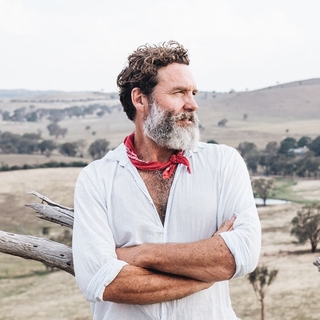
That was Chris Eggert and you're listening to The Regenerative Journey.
We acknowledge the traditional custodians of country throughout Australia and internationally,
And their continuing connection to country,
Culture,
Community,
Land,
Sea and sky.
And we pay our respects to elders past,
Present and future.
G'day,
I'm your host Charlie Arnott and in this podcast series,
I'll be uncovering the world of regenerative agriculture,
Its people,
Practices and principles,
And empowering you to apply their learnings and experience to your business and life.
I'm an eighth generational Australian farmer who transitioned my family farm from industrial methods to holistic regenerative practices.
Join me as I dive deep into the regenerative journeys of other farmers,
Chefs,
Health practitioners and anyone else who's up for yarn and find out why and how they transition to a more regenerative way of life.
Welcome to The Regenerative Journey with Charlie Arnott.
G'day,
This interview that you're about to listen to is with Chris Eggert.
He is such a humble,
Lovely,
Wonderful fella.
I went to university with Chris many years ago at the University of New England in Armidale in New South Wales and lost track of each other for some years,
Many years actually,
Until recently or a couple of years ago,
Chris came and attended one of our iDynamic workshops at Booro at Hanamino at the farm.
And since then,
We've remained in contact and I interviewed him a couple of months ago now and I can't tell you how much I learnt,
What an inspiration he is,
What an amazing adaption of regenerative practices that he's been learning and honing for many years now.
And he's essentially,
He's a dairy farmer who was very conventional and I guess 20 years ago now,
He,
For a number of reasons,
Which you'll have to listen to,
To understand,
Changed to more regenerative practices and is one of a handful of organic dairy farmers supplying to the wonderful co-op,
Norco co-op,
Milk co-op.
And I can't tell you how much I learnt and how inspired I was by Chris's,
His approach to farming and his love of farming,
The love of his family involved in that farming.
So many wonderful tips and tricks and principles and practices.
Just,
I mean,
This is about dairy farming,
But it's applicable,
His philosophy and the practices are absolutely applicable to any type of agriculture.
So excited to be releasing this one.
He's a real inspiration and if only we could get more dairy farmers thinking the way Chris is thinking,
The impact of deregulation would be mitigated,
There'd be so much more opportunity so much better quality milk and better quality businesses and better quality lives out there in the dairy industry,
Which I'm very passionate about.
My grandfather was a dairy man and on my mum's side and a few generations back too.
So it's an industry that's dear to my heart.
And this man,
Chris Eggert is dear to my heart too,
I have to say.
Lovely,
Lovely fellow.
I hope you enjoy this interview with the amazing,
Wonderful dairy farmer extraordinaire,
Chris Eggert.
Okay Chris Eggert,
Here we are at Oxhill Organics,
Eggert's farm.
Red Bank,
Warhope.
I can't tell you how excited I am today,
Even though we've been up since three,
Well I've been up since three 30,
You probably got up at three o'clock being a good dairy farmer.
I can make you a coffee.
You maybe turn up this morning with a coffee at quarter to four and then off we went.
So Chris's farm and his family farm is an organic,
One of the few,
One of three,
Is it three,
Norco co-op,
Milk co-op organic producers.
And I had the pleasure of helping Chris milk those cows this morning.
We will dive deep into all the sort of bits and pieces and different enterprises and so on that Chris's family do here and they run this beautiful farm,
500 acres.
You've sort of got some land that's yours and some least and,
But also I'm really keen Chris to understand,
I guess,
Your journey from a conventional farming or dairy situation as we were dairy,
Meat,
Beef.
And Chris and I went to university together.
So we sort of did a lot of our tertiary study.
We sort of understand what we went through there.
But mate,
Tell me first,
We are in,
Tell us where we are and why,
And what are we looking at here on this beautiful farm?
Well,
We just have a look in the river flats of the Hastings River and opposite this is the town of Warhope.
It's a great little country town on the mid North Coast in New South Wales.
Very privileged to have grown up here and able to now farm here and have my family help me on the farm as well.
I'm fourth generation on this land and my kids seem to have a pretty keen interest in it.
So maybe one day they'll become the fifth generation.
We'll wait and see.
Yeah,
We've changed the farm in our farming practices dramatically in the last 20 years.
We converted organic farming in 2000.
That was a push because of deregulation in the dairy industry.
We decided to do something different.
My parents were on board with it.
So I was very fortunate.
Obviously I'd only been farming for four or five years,
I think,
Since I got back from uni and very conventionally.
Lots of chemical and lots of artificial fertilizers and that sort of thing.
I didn't know any other way.
Just thought that was the way I did it.
And then it looked like our price was going to be significantly reduced and we just bought the family farm off my dad's generation.
And I just did the figures and just went,
No,
We're going to go bust here.
It's just not going to work.
So there was an opportunity through the Hastings Co-op at the time to do some organic farming and I didn't know anything about it.
To tell you the truth,
I just saw it all for hippies and whatnot back then.
Someone said to me,
You'll be an organic farmer.
I should have laughed at them.
We did,
I remember at uni,
We did one lecture on organic farming in four years.
I can't remember.
I probably didn't get to that lecture.
I thought we got your notes.
You were wagging.
Before we dive into,
I guess,
Transitioning and what took place there,
Can you give us a sense of what,
Before we even go there,
Where are we in?
We're in this,
Describe what sort of building we're in at the moment,
As in what it's used for.
It's really cool.
We're sitting here overlooking the farm and my mum has always been passionate about yoga.
And I suppose it's been 10 years or so ago,
She had the opportunity to build a little yoga studio on the farm and she's done that and done a really great job with dad's support.
We have not only does she do yoga classes here,
We've been able to have farm functions here and field days and things like that in the past.
Obviously this year we haven't had too many with COVID.
Yeah,
So it's just a nice,
Quiet sort of place on the farm.
We're really fortunate,
Mum gives us that bit of peace and balance on the farm,
I suppose.
It's just the way she is.
So yeah,
We're really lucky.
Does Paul your father know you sneak over here and have a camp every now and again?
He does now.
Yeah,
It's a good place to get away from it all.
Yeah,
And feel a bit tired or whatever.
No one's knocking at the door or ringing you up.
It doesn't happen real often.
If you're calling Chris and you can't find him,
You'll probably find him in here.
It is beautiful.
I'm actually meditating,
Charlie.
Right now.
And I have to say,
I arrived last night,
We had dinner,
We've had breakfast and Jenny,
Your mum,
I think what she put on this morning was probably,
I don't think you'd find that sort of feed anywhere.
To be honest,
I'm not just pumping up your tyres,
It was delicious because the eggs were from the farm,
The ham was from the farm,
The sourdough was from just up the road.
Did you zap someone that turned up this morning with a delivery of some fruit and veg and things?
Is that what they were?
Yeah,
Like a neighbour.
A neighbour,
You're just swapping?
Vegetables and that sort of thing.
Yeah,
It's just like,
Yeah,
We've tried to create community through food and through health and that's,
I suppose the YAGA Centre goes with that.
It's about health and mindfulness and that's what's happened on the farm,
I suppose.
We've just become really mindful of what we do and what the consequences are for people's health,
For our environment,
The welfare of the animals and all that sort of thing.
Obviously,
They're big topics now.
I suppose the mindfulness before was about production and profit and now it's,
Obviously,
You have to make a profit to be sustainable,
But that's more about the regeneration of what you do,
Charlie,
Of the land and for future generations and that sort of thing.
Not only getting it back to what it was,
But making it better because I think it's infinite what you can do,
What the biology and the soil and what can happen.
It's really exciting and we just scratched the surface here.
There's just so much more we can do.
Before we get onto what you have done,
Can you take us back to your first experiences with growing up on a dairy farm,
That so-called conventional dairying farm.
What were some of the practices and the things that we can then use as reference points for things that you then changed down the track?
But just give us a sense of what it was like growing up on a dairy farm,
The jobs,
The enterprises,
The practices of that,
Which may or may not reflect other farms generally,
But what did you guys do?
Yeah,
That's true.
I had a great upbringing here in the farm with my cousins.
Farming,
I suppose for us,
We helped out a bit in hay making season.
We rolled up turf and that sort of thing and did a bit of milking and track driving.
Mostly we're interested in playing footy and riding bikes and all that sort of stuff like normal kids do.
I suppose milking and the work on the farm is more of a duty type,
Like a chore.
Whereas now I feel fortunate to be able to do it.
Like you said,
This morning it's almost like relaxing sort of thing.
If you can make it that way,
I suppose you have an attitude like that.
If I'm down the farm shifting a fence or getting cows and calves in,
It's almost not work.
You know how good it is.
Or we're making compost or something like that.
So there's all moving the chickens or the pigs.
It is a time,
It's a drain,
It's hard in the drought and all that sort of thing.
I don't sugarcoat it or anything like that.
But if you sit back and reflect on it,
Like with your family,
They'll say,
Lucky to be able to do this type of farming and know that you're creating food for people,
Proper,
Proper bloody food.
You know what I mean?
With nutritious and dense and it's the best thing.
We can always do better and that's what drives us out of bed in the mornings to go and improve.
You improve yourself and improve your farm and improve your product.
What were some of the practices that you,
I mean,
We talked about it sort of off the cuff this morning about health of animals,
Health of pasture,
The sort of the milk hand process and what was some of the sort of,
Just your day to day practices that you've changed?
Back then.
Yeah.
Just give us a sense of what it was.
Throw as much urea at the place as you could to make it grow.
Urea being a nitrogen fertilizer?
Yeah,
Nitrogen,
Potassium,
Phosphorus,
Your three big elements in the conventional farming.
And a lot of breeding for bigger,
Better,
Prettier cows.
We had all the cow magazines,
People magazines in the cow world.
Not that I've read lately.
Maybe at uni.
I just stole them off you.
You still got them.
Maybe.
But yeah,
And so yeah,
Like I said,
I was in about production and you just do whatever it took to get that.
We always grow a lot of corn,
Which involved a lot of tillage.
And then we use like chemical for,
You know,
Weed suppressant and pesticides and that sort of thing.
Like I remember coming home from uni using all that stuff and like your face would feel like a big fireball,
Like it'd be that hot from mixing it and spraying it.
And we sort of didn't know any other way,
I suppose.
And like I thought,
You know,
I just thought I was doing the right thing,
The right way of farming.
And like I said,
When we went to organic farming,
I learnt along the way,
To tell you the truth,
It wasn't a decision about being noble or anything like that.
That was about hopefully saving our bacon and,
Excuse the pun,
You know,
Being profitable and that sort of thing.
But as we got into it and we talked to people and read different books,
Not the sort of books I read when I was at uni,
You could see there's this other way,
Then just the whole world just opened up in front of you,
You know what I mean?
What about some of the animal health sort of,
Like the animal health regime,
You're talking about some of the treatments that you might have given the cows at different times and the.
.
.
Oh yeah,
Well,
You know,
Lots of synchronisation,
Their recycle or whatever to get them in calf.
So we're using hormones and we're using a lot of antibiotics for mastitis control and just general sickness because I didn't know,
I was just sick.
When I look back,
I'm pretty sure it was from the amount of nitrogen we were pouring on the place.
And it was a bit of a like us versus them,
You know,
In the dairy,
They'd be pissing and shitting all over you and that sort of thing.
You mean the you guys versus the cows?
Yeah,
The cow,
You know,
Like you're going to go and play a game of footy,
You know what I mean?
Like,
Let's get ready.
Who won?
They always win.
There's only so much shit you can swallow,
You know.
But you know,
Like there's two,
Usually two people milking and you know,
One basically standing there hosing the crap down and the piss and whatever and hanging on to the cow while she's kicking or whatnot.
But now it's just,
You know,
We milk the small and I don't think we had any.
I thought I'd have pissed all over you for sure.
The new guy?
Yeah,
He must have a good way of it.
I was just following your lead.
And I've got to say,
We can't lead the viewers.
I'm not going to stand up.
But my pants,
No one would believe,
Actually they're more dirtier from the dog that jumped on my lap this morning than actually the 200 cows we milked this morning.
And I'll tell you what,
I can't believe the pants I'm wearing.
No one in the industry would have done,
You know,
We didn't wear aprons,
No gloves.
And we just,
Can we say that?
Yeah.
I don't think it's illegal,
But it's not encouraged not to.
We don't need to.
There's no iodine spray in the fire.
The cows kept pretty clean and that sort of thing.
So you know,
We hardly use any water in the dairy anymore.
Oh dang,
Don't give all the good stuff away.
So I'm distracting you.
So yeah,
So the animal,
What animal health thing?
So they were,
You were saying they were getting sick.
Well,
The big thing was carving.
Like,
You know,
You'd have to have the cows in a paddock and be watching them all the time to see when they start carving.
Cause generally had to pull a calf out or the cow just couldn't do it or she'd die or the calf would die.
They'd be a drama.
You know what I mean?
I remember coming home,
You know,
In the afternoons from playing footy or whatever.
When I first came back from uni from up north and you know,
10 o'clock at night after drunk or whatever,
And after you go and pull out bloody calves or ring the vet and that sort of stuff.
So we just sort of go down the paddock and there's a cow and calf.
Oh yeah,
She's had a calf always.
You know,
You could have eight or 10 calves in a day and no dramas,
You know.
But you still have the odd problem,
But nothing like we used to.
And as you said,
Like the temperament of the cows is,
Like you get the odd cow that kicks and that sort of stuff,
But in general is so good.
Like they're so quiet and you know,
Easy to manage and that sort of thing.
So that's the big thing,
I think.
Temperament instead of behaviour.
Yeah,
Temperament and that sort of thing.
Yeah.
And the behaviour and the ability to carve and ability to breed.
You know,
We just tap a bull,
Just runs in the hurt.
Like you said,
When do you carve?
I said,
Whenever they feel like it.
When do they go and carve?
Whenever they're keen.
You know what I mean?
Like it's just whenever.
It doesn't matter if it's winter or summer or spring or winter.
If there's a spring flush or whatever they call it or anything like that.
You know what I mean?
If it's really,
Really hot,
You know,
They're not going to be going to get on account after you know what I mean?
Like what's the point of even trying?
Yeah,
Letting them choose.
And you mentioned you used a fair bit of,
I guess,
As a reasonably standard thing,
A lot of antibiotics in.
.
.
Oh,
Heaps.
Heaps.
Yeah.
I think not like,
Pretty sure 1999 is LRCU,
Like conventional farming.
Just what we spent at the vet was 20,
000 for what?
For animal health.
So that was just,
That'd be like vet visits,
Antibiotics,
Hormones.
It's just keeping them alive or whatever,
You know,
Testing and that sort of thing.
Now we don't go there.
We haven't had a vet on the farm for years.
And the change in animal health was pretty fast.
Like it took a while for the soils to improve,
But I think taking the bad stuff away helped health pretty quickly.
When you say bad stuff,
What are you sort of.
.
.
Like nitrogen.
Yeah.
And the feed additives,
Like what do you care for what I say,
Because you know,
Defame a product or something like that,
You know what I mean?
But we used to use a lot of different additives in the feed that were given to us,
You know,
By nutritionists and experts.
You know,
We thought we were doing the right thing.
You know,
Employing nutritionists to help us with the feed rations and all that sort of thing.
Like trying to get a dollar,
Like,
And then you can understand it,
Like dairy farmers are under so much pressure.
I mean,
All farmers are under pressure.
I was sort of saying like last night,
You know.
All we can think about,
What farmers are thinking about is tomorrow,
Not surviving until tomorrow.
So they're going to use what they need to use to control the weeds or grow the feed.
But our attitude is more like,
You know,
Months,
Years,
You know,
It's a marathon,
Not a sprint.
It's like,
You know,
I might say,
It'll be all right.
Let's just get the,
You know,
The structures in place and like putting the footings down,
Like the soil and that sort of thing.
Or the house,
You know,
We don't need to put the roof on.
We keep,
You know,
We've got to get our peers in the ground.
You know,
We've got to get the soil biology right,
Composting and calcium,
The carbon.
And the rest of it,
You know,
Hopefully fall into place.
You can get,
I mean,
With everything,
You can get too fancy.
And we've probably been down that track a bit by trying to be too perfect.
And then it comes back to being a chore and not fun.
What about the sort of the word biodiversity,
Which,
You know,
How does the biodiversity profile compare,
You know,
Now to sort of back then?
What was it back then?
How would you describe the biodiversity sort of profile back then?
What's biodiversity?
Like,
You know what I mean?
I suppose it was something that greenies used,
It was the word greenies used,
You know what I mean?
Like I don't,
You know,
Consider myself a mad bloody greenie or anything like that.
I mean,
I understand like the value of biodiversity,
That's for sure.
Yeah,
Well,
You know,
Just corn,
Ryegrass,
Corn ryegrass,
Corn ryegrass,
Plough,
Plough,
Plough,
Spray,
Spray.
That's what we did.
And like my dad and his brothers and his dad,
They were great farmers.
That's what they did.
And they did that really,
Really well.
You know what I mean?
But that's all they knew.
But they were good farmers,
That's for sure.
But they,
You know,
I got great,
You know,
I was lucky,
I had a great work ethic from them,
All of them,
You know,
All my cousins and all that.
They've all got this wonderful work ethic,
My sisters and,
You know.
So not always lost,
Like chemical and all that sort of stuff,
You know.
There's a lot of positive stuff that come out of what's happened in the past,
That's for sure.
Totally.
We can see it here.
I mean,
There's the,
What you're doing now is one thing and,
You know,
That your family stayed here.
You know,
They did a great job.
As you said,
They were great farmers,
And you're the fourth generation and there may well be a fifth.
And the fact that you are a fourth generation means that the generations before you stayed here and survived and did a great job.
Otherwise you wouldn't be here.
Oh,
Yeah,
That's right.
And I'm,
You know,
Just so grateful for the opportunity,
You know,
To do what I do.
And yeah,
I think,
You know,
It's like an emotional space,
You know.
You told me not to cry.
No,
I said I wanted you to cry.
But yeah,
You do feel like a bit of,
You know,
It's,
You know,
I suppose a little bit like you're doing it for them as well as like,
And for,
You know,
Your own kids and whatever might happen.
Like,
You know,
We're only custodians of the land.
I'm not into ownership and all that sort of stuff.
Like,
I'm just happy to have a bit of ground that I can work and do what I like to do with,
You know.
While I still can,
While someone's telling me what I can't do,
Like,
There's a mean like government red tape and all that sort of stuff,
You know,
Now,
You know,
They come,
You know,
Say food and irrigation and water and,
You know,
People telling you what you can and can't do.
Rules and regulations.
Rules and regulations.
And it's frustrating.
Like if you're a farmer now,
Like after going through those droughts and,
You know,
Poor prices and that sort of stuff,
Like you're obviously got something going on,
But you're doing well.
You don't need to be told what to do by people that don't farm,
Basically.
I mean,
I guess,
And also we want,
It would be nice to be in the position where we,
It's not a matter of so much survival,
But more of just being,
You know,
Just being progressive and being productive,
No matter the climate or the drought,
Isn't it?
You know,
Like I know that when we were,
And it's not to say that now we're just,
You know,
Running along,
It's all beer and skittles,
But I mean,
To have things in place so that it's not a matter of survival,
It's a matter of just adapting to the change.
And yes,
You have to take your foot off the accelerator sometimes.
And yes,
You have to,
You know,
There are times of the year,
Times of the season,
You put your foot down again,
You know?
Yeah.
And you know,
You got to make decisions and that sort of thing.
Like there's a farmer around here,
You know,
He was running out of water and he hadn't really long set up his dairy and he sold all his cows.
But he's just made that decision,
Like in the drought,
Coming up with Christmas and that.
And now he's back farming and he's bought another herd and he's had a few months off to reflect and I just,
Like he's a conventional farmer,
My hat just goes off to him.
I think that's just so good.
You know what I mean?
Like so brave and good on you,
You know what I mean?
Let's go to,
Before we sort of explore some of the things you're doing now,
The different things and the things that I've been walking around this morning just going,
Wow,
You know,
The different enterprises and the,
What I'm experiencing is just beautiful.
Tell me,
You know,
What was your,
I guess,
I sort of know the answer to this question,
The listeners don't yet.
What was your experience of university and in terms of what you learnt and then what that means to you now and then at what point was it,
Where was it when or what was it more importantly that made you just go,
Oh,
Maybe I'll buy something else?
You know,
Whatever,
Whatever,
Whatever that was presented to you as a type of change.
You know,
Firstly,
Like,
You know,
It's,
It's really great.
Like you come here and show an interest,
You know what I mean?
And I can talk to you about it because that doesn't happen very often.
Do you know what I mean?
Where someone's a little bit more people.
A little bit more like minded.
Knocking on your door.
I see.
But,
So that,
That's really nice,
You know,
Like,
Because I don't,
You know,
Talk to,
You know,
With my mates or whatever,
Like that much,
You know,
And I mean,
We talk about it at home and that sort of thing,
But,
You know,
Probably get sick of it after a while.
I know,
I know.
They seem,
You know,
The kids in that,
They're on board with it all and that sort of thing.
But getting back to the university thing,
You know,
When I started university,
I started doing,
It's called a bachelor of natural resources.
And I never knew really what I wanted to do when I was,
You know,
A kid growing up.
All I wanted to do was like play footy and be at Garbo and go to the pub with my mates,
You know,
And that sort of thing,
I suppose.
And then,
But,
But.
So did you not want to be a dairy farmer?
I wasn't sure.
I liked it.
I actually really enjoyed doing the turf with dad.
Dad had like a bit of a turf business and that sort of thing.
That was really good.
Like,
You know,
I was quite interested in sort of landscaping and I think I did that in year 10 and that sort of thing.
And,
But I also like enjoyed like geography and biology at school and that sort of stuff.
And then I think,
You know,
I just was going out the door and mum just said,
You know,
You need to make a decision,
What are you going to do?
Where are you going to go?
And my uncle lived in Armidale and I went to see him and he just showed me around the universities and I thought,
This looks pretty cool.
You know,
Like he showed me the sporting fields and all that sort of stuff.
Excuse me,
I end up,
I went to Rob College because there was a picture of a black pine footy on the front of it.
That's why I chose.
I said,
Oh,
That one there will do.
And I didn't want to go to the Catholic one because I wasn't Catholic.
And that was the other one that played a lot of footy.
So now it was.
So now it was.
I'm glad you came to Rob,
Mate.
But then I started doing the natural resources and you know,
That was all right.
But you know,
They wanted us to go bird watching and stuff like that on the weekend.
And I wanted to play footy.
And then like.
.
.
The birds you wanted to watch weren't the ones in the trees,
Mate.
So they,
You know,
That's bloody,
You know,
Blake's like,
You all got to know and you fellow fellows were doing real science.
And you know,
When I was away from the farm for a while,
I thought,
Man,
I miss a farm.
I think,
Yeah,
I want to do agriculture.
I want to be a farmer.
So that's,
You know,
When I changed back and,
You know,
When I was at uni,
I couldn't wait for the holidays to come home and,
You know,
Work on the farm and that sort of thing.
So I guess I was always going to come back to the farm deep down.
That's what I wanted to do.
Like I remember like my grandfather saying to me when I was in like 16,
Are you going to come back to the farm?
And I said,
Oh,
I don't know,
Not yet.
He said,
Oh,
You won't make a farm unless you come back now.
I said,
Oh,
Whatever.
But,
And he said,
When we went organic,
This is my dad's dad.
He said,
You're gonna,
You can't farm without super because everyone around here calls fertiliser super.
I know super is super phosphate,
But that's urea and everything.
So we're throwing in the super bundle.
And I said,
Oh,
We're in big trouble if,
Anyway,
You know,
We're in just like a lot of debt and stuff like that.
So,
And then like a few years later,
He passed,
But before he passed,
We took,
We used to take him down the farm,
You know,
And show him the farm and he was like,
Wow,
This is,
You know,
And that,
I mean,
It's all about feel good.
When someone like,
Like someone like you respect a lot or whatever says you can't do it and then says,
Well,
You're doing something here,
There's something going on here,
That feels good.
And that's what I want to see.
Like if you can grow,
If you're walking on nice pasture and your cows look good and that,
And you reflect back and think,
Oh,
I've done this,
You know,
This has been done without any chemical fertilisers.
This is natural.
That's cool.
That's,
That's like winning the grand final,
But even better,
I reckon,
You know what I mean?
Like it's really good.
Totally.
The uni stuff,
I don't know,
I wasn't much good at it really.
I wasn't the brightest pumpkin in the pasture space.
So I didn't,
You know,
I missed quite a few lectures and that sort of stuff.
And you know,
I had a lot of,
You know,
I was lucky I had a good group of people around me that helped me,
You know,
Friends and stuff like that.
And I got through it.
So when we did organics and it was a drought in 2001,
2002,
Just a nasty little drought too,
I did a teaching degree as well.
So I've got a sort of diploma of education.
I did not know that.
Believe it or not.
That's a bit cheeky.
Like an Ag and Science teacher.
Well,
I haven't done it for five years.
But so I was,
While we're doing this organic farming thing and battling away,
I was also doing casual teaching at the local high school.
And I was lucky,
You know,
The teachers were really good to me and I understood that sometimes I fell asleep at lunchtime and stuff like that.
Just I'd have all the cows in the morning and I had to get home quickly,
You know,
From that last period.
Like I never kept any kids in around it.
No one got detention with you.
I'm going to go home.
You know,
The cows and that sort of thing.
You know,
I had good support from parents,
But like it meant,
You know,
I had a young family so I didn't want to shore up their income and whatnot.
You know what I mean?
I didn't want to be taking funds away from the farm and that as well,
You know,
Getting set up.
So.
How did,
What did teaching teach you?
What were some of the takeaways from that experience?
That I'm fortunate to be a farmer.
And I'm grateful to do what I do.
You know,
I was a casual teacher and,
You know,
I quite liked it at stages,
But,
You know,
I think in the end I wasn't giving it,
You know,
You know,
The students that weren't getting,
You know,
What they deserve,
Like,
You know,
And I was,
You know,
I was taking money and I wasn't really working for it.
You know what I mean?
Like I should have been.
My mind was focused here on the farm.
So I just sat in the car one afternoon on that,
Not coming back.
And I never did.
And probably since then it's gone,
You know,
Better,
But cause I'm more focused on here.
So I'd like to uni,
But all that,
You know,
Probably wouldn't have been in this position I mean,
Now without doing that bit of teaching and that sort of thing.
But you know,
The kids,
Local kids,
You know,
Good kids and that sort of stuff.
So it was pretty,
Pretty good.
But yeah,
Something you didn't know about.
What did not know that?
Mr.
Ragged.
Mr.
Ragged.
They call you Eggsy behind your back.
Lulli farmer ragged.
Farmer ragged.
And so,
Yeah,
What else about university was,
Was,
Yeah,
I don't know.
Did you take away or what are your thoughts on that?
Just,
You know,
Great friends.
Like a,
You know,
Friends for life sort of thing from there.
And you know,
It seemed that often,
But,
And also like,
I was probably out of my comfort zone,
Like I survived and that was true.
You know,
I worked when I had to work,
You know,
Studied when I had to study,
You know,
And I realised like,
Yeah,
If you put your mind to something,
You can do it.
That's probably more what it taught me than learning about biochem or.
You said this morning.
Physics and that sort of thing,
You know what I mean?
It taught me to learn,
It taught me to learn,
It taught me to work out of my comfort zone.
When I went there,
I didn't know anyone.
You know,
I didn't,
I never heard of it.
I wouldn't have known one private school name.
You know,
There's people there like,
You know,
From private schools and that sort of thing.
It was a bit of a different culture.
I was treating water a bit,
But,
You know,
Playing a different rugby union and all that sort of stuff.
Like it was hard to start with,
But I wouldn't swap it.
Even though like the course and that sort of stuff didn't really,
You know,
Affect what I do.
But I do remember stuff from it that's relevant.
You know,
How proteins are put together,
Like with amino acids and that sort of stuff.
You know,
I reflect on that,
You know,
I was saying about with the soil,
If the soil is balanced and all the nutrients of the pH is correct,
Can be taken up.
To make a proper amino acid,
You need all the nutrients.
Because there's a lot of,
There's 20 different ones.
And those combinations of different amino acids make proteins.
I can imagine all the different combinations of one to 20 in numbers you can make.
So if you're not getting those nutrients being uptaken,
You can't make those proper proteins.
And if you can't make proper proteins,
You can't make your hormones and you can't make your vitamins and that sort of thing.
I'm pretty sure as our soils have become balanced and healthier,
That's the key to the,
You know,
Better components in the milk,
The healthier cows,
The better calving.
So it's,
I suppose I've got a bit off track there,
But I do remember that sort of stuff from Biochem that there is,
In what we do,
There is,
You know,
There is science,
There is a science to it.
I guess there's not much research on it and that sort of thing.
And it's poo-pooed in the conventional world.
What you're doing.
What we're doing,
But I don't care because I know what we're doing works.
And I've seen other farmers do similar things.
Also,
You know,
My reflection of the university was there's a lot,
It was a science course.
Lots of sub,
It was 40 units,
You know,
They're all their own separate unit.
And some are pretty intense.
But there was very little,
You know,
Joining the dots between the different units.
You know,
There was very little discussion or sort of,
You know,
Summarising of now you've just learned about soil physics and chemistry and biology and this is how they all work in together.
That just didn't happen.
That's right.
And that's what we learn in biological farming.
You get the chemistry right in the soil,
It'll change the physics in the soil.
When you have more air in the soil,
Your biology will be better.
When your biology is better,
Your chemistry is better.
It all just relates to each other.
You know,
Like electrical currents in the soil are right when the nutrients are balanced and that sort of thing.
I don't know,
I don't want to bore you with it.
But I've got to remember what I learnt.
So yeah,
Because like,
You know,
I learned all this stuff,
Like years ago,
I suppose,
Like I did a lot of reading and,
You know,
Listened to things and watched things and went to conferences and just,
You know,
Listen to people talk and sitting there with their own back,
With our good sis.
You know,
Like,
You know,
He carries him and harden the illness and,
You know,
And Charlie on it,
People like that.
That rooster wasn't doing his bit.
So tell me what,
So you finished university,
Came home and there was a number of years where you were on the job and then there was a point at which,
You know,
What led to the,
Was there a day,
Was there a decision?
Well,
I get back to the,
Yeah,
Sorry,
I got,
Yeah,
Go back to the,
This is a pretty loose show.
There was a deregulation of the dairy industry and it was,
Like I said,
The Hastings co-op said,
Well,
You know,
We can do organic farming,
Like you could do organic farming.
There's,
You know,
People in the city want organic food.
Like,
How much would you get?
And they said,
Well,
You might get 70 cents a litre.
I said,
I'll be in that.
Compared to?
Well,
We were looking at like 25 and we were on 50.
So you know,
If you're earning,
You know,
Turning over 400 grand a year,
Back then all of a sudden,
Well,
You know,
500 grand,
So you're only turning over 250.
You're only making 20.
Like there's a big gap there.
So when we first started,
We were still getting that low price.
Like now,
You know,
With farmers start organic,
Sometimes they get,
You know,
A little bit of a premium and stuff like that.
I don't think we got any of that.
So the first three years are the hardest.
They were the worst by far.
And that's what prompted me to do the teaching.
If this doesn't work,
I've got this to fall back on.
And we were quite prepared,
I think,
You know,
To sell part of the farm.
And when we did,
We did sell like a couple of little small portions and stuff like that,
Just to keep the banks away and,
You know,
Keep our bills paid and that sort of stuff.
Because you went cold turkey pretty much,
Did you?
Oh,
Massive.
Like we had fertiliser in the shed.
We just,
We put it all out on the last item up.
I think it might have been July.
You know,
The last couple of days,
We spread all the potassium,
Butyl chloride and urea.
Like if I looked back now,
I wouldn't have done it.
And the next day,
We're all gang.
But we started the organic journey,
It's three years,
You know.
And so,
Yeah,
That's pretty much how it started.
And then,
You know,
We employed consultants to help us and that sort of thing.
You know,
So what's this top of my drive and this liquid or buy this piece of equipment and that sort of stuff.
And you know,
I was sort of doing it blind.
I didn't really understand it.
And I was still thinking conventionally.
So I'd go,
Well,
We're using this many units of nitrogen.
So we'll get that in chuck manure.
But with the organics,
You got to compost the chuck manure.
So you got to wet it,
You got to turn it.
And the smell of it was just horrendous.
So we weren't adding extra carbon or anything,
Just putting these fancy microbes in it.
They didn't make any difference at all.
And they were getting cooked,
Were they?
Oh,
Just that would have been.
And the smell,
Mate,
Was just unbelievable.
Like it was worse than the raw chuck manure.
And like we got to spread that.
There's people in town walking down the street with hankies over there.
No,
It's just.
Kids,
And you're how many?
You're three,
Four k's away?
Oh,
From town,
I walk back less.
Just the river separates us.
Yeah,
Right.
And the council end up ringing us up.
You know,
They had school teaching the kids hanging out the windows,
Bloody dry reach.
They were teaching them science or ag,
And they're all,
They can't listen because the smell from your farm's so bad.
I don't mind if you don't miss this adulation.
I read about that somewhere.
It wasn't good.
There's some,
Yeah,
But you know,
It was,
You know,
People complain about it and the council come and I just thought,
Oh,
We can't do this,
You know?
And then I suppose it,
I thought,
Oh,
We did holistic management.
That's right.
I did holistic management and that.
Who taught you that?
Who was your?
Brian?
Bruce.
Bruce Ward.
Oh,
Man.
Yeah.
So here's our teacher and yeah,
It was a really,
Really challenged you,
I think.
Like apart from learning about the grazing and all that sort of stuff,
Main thing for me was to challenge me to look at myself in the mirror and say,
What are we going to do about this problem?
What you're managing this show or you're supposed to be,
You know,
Helping run the ship or whatever.
What are you going to do?
How are we going to change?
How are we going to get through this?
And that's,
You know,
When I,
You know,
Like Bruce said,
I read this dude called Joel Sullen and read his book.
I read You Can Farm.
Wow,
We're talking about carbon and,
You know,
A passion for farming and a love for farming and that sort of thing.
And then,
You know,
Someone will say,
Well,
Go to this conference.
Go and listen to this person.
I went and saw Elaine Ingham in Coffs Harbour.
I think it was 2002 or something like that,
2001 maybe.
That's when I was saying today about the compost.
You know,
We learned about carbon and nitrogen ratios.
We were buying chook manure and these chooks were just standing on sawdust.
And we're buying that and we're thinking,
Well,
We've got all these cows standing in the yard on concrete.
Can't we put some sawdust down?
I mean,
That's a pretty simple thing to do.
Like when you look back and then it turned into mulch hay and whatever carbon we can get our hands on.
We've been doing that for about 18,
Probably years,
Something like that.
And we haven't bought hardly any chook manure since then.
Or every now and again we might buy it if we've run out of compost.
But we'll add stuff to it.
So she's pretty shaky days early on.
The farm was addicted to those chemical fertilisers and it was hard ass.
I remember saying to Dad,
Why are we standing in this paddock?
He said,
Why is this ground so hard?
Man,
Look how hard it is.
He said,
It's just the way it ought to be.
It's just the way it is.
I thought,
All right.
And then we did start seeing the small changes as we made reasonable compost and we put some liquids on them.
We did compost teas for a crazy period of that with them going off.
Sometimes you get one right,
Exciting and your brood look really good.
Get up there and get the cows in the morning and you could smell the bad smell that was off.
So you'd have to throw it out.
Of the compost tea.
Of the tea,
Yeah.
Like I did tea in a row.
Bit of wind out there.
The roosters blew off.
That's where your cows.
It can be quite prescriptive,
Compost tea,
Mate.
It's a good one.
It's a good one.
It's a good one.
It's a good one.
It's a good one.
It's a good one.
It's a good one.
It's a good one.
It's a good one.
That's the best question that I've ever asked tea-making.
It can be effective if you get it right but I've done a small short course many years ago and my takeaway was some really amazing products can be made.
I reference biodynamics as an alternative or a companion type of thing and yeah,
You know,
Got a bit of gear and need a bit of this,
A bit of that to suss it out.
Oh yeah,
I was real gullible.
I'll get that,
I need that thing.
But I suppose looking back at it,
The same thing you learnt,
You got some good stuff out there.
It didn't matter,
The ground was dead.
You'd have pissed on it and proved it.
You know what I mean?
Like,
Really.
So,
It all helped.
And like I said,
We can still do more,
A lot more,
Yeah.
Just with that transition period,
You know,
Looking back,
You can't change what you've done,
But is there anything that you might suggest to other dairy farmers,
Or I mean a lot of the things you did aren't sort of just for a dairy farmer transition type of thing.
You know,
What were some of the things that you might suggest to,
Let's just talk about dairy farmers because it's a bit more specific to what you did.
What would you suggest they might think about or do,
Or not do that you did?
If they were transitioning,
Like I don't know,
Until farmers have suck eggs,
That's for sure.
Suggestions,
Mate.
Suggestions would be,
Look at those resources,
That manure,
The cow manure and urine,
Where's it going?
You know,
Or is it just being put out on the side of the hill or in one or two paddocks,
In the laneways,
In the dam?
Where's it going?
Where's your nutrient going?
How can you get it on the whole farm?
That's probably the number one thing,
Yeah.
And your grazing,
Right?
Don't be afraid to let the grass grow a bit longer,
You might lose some production.
But in the long run you're going to catch that back up because your soils are going to improve,
Your roots are going to get down deeper into your soil.
There's a framework that we've taught by the experts and that sort of stuff and I get that.
Like I said,
Under pressure,
You've got to get the best bang for buck today and tomorrow,
Like to survive sort of thing.
But,
You know,
Weeds and that sort of thing,
We don't top the paddocks.
I'm happy to have them look a bit scrappy and raggy,
A bit of length in the grass,
A few weeds here and there,
Some thistles.
You've got insects living in there,
You've got deeper root systems,
So there's insects on top of the ground,
There's insects under the ground,
There's insects in the canopy,
Like you see spiderwebs,
Like in the higher grasses.
I don't know what they're doing,
Like I haven't really looked in on it,
But they're doing something.
It comes back to that biodiversity.
If it's there,
It's good,
You know.
If you've only got one grass,
One height,
The whole farm,
To me that's monoculture.
And that's when you're going to get in trouble from cut grubs and that sort of thing.
Army worms,
We've had army worm breakouts around the place over the last few years and we haven't really been affected by them.
Maybe we didn't look close enough,
I didn't want to know.
But do you think that's because there was essentially biodiversity there and there was no army worms?
We'd like to think so.
Some authors in books I've read and conferences I've been to talk about how insects attack unhealthy plants.
And they're the ones with the nitrates.
Hopefully we get this right.
We've got complex stomachs,
So we need complex foods.
And they've got very simple stomachs and they need just simple foods.
So if you've got one type of amino acid in the plant from a nitrogen base,
Then that's what you're going to get.
And that's what they're like.
Insects?
Yeah.
And they don't necessarily like a plant that's been grown with multiple nutrients.
Like it's coming from a balanced compost.
And is healthy I guess too.
It's healthy for the cows and that,
But it's not healthy for the insects.
They're called nature's garbage collectors.
And the weeds are like nature's soil improvers I suppose.
I mean some people think that's crazy.
That was gold.
Look I didn't make it up,
Like I heard someone else say.
That's just sounded good.
It just makes me feel better about having weeds in the plant because we've got a good excuse.
No we love weeds.
But we don't have that,
We have a few.
Usually if we have them it's for a reason.
We've got bare ground,
We've got it wrong,
We've overgrazed or we've tilled it at the wrong time or that sort of thing.
It's the reason why they're there.
Across the farm as we look down now,
Most bac's pretty clean.
Right now.
They've got the desirable species for the cattle,
For growing milk and that sort of thing.
But at times of the year you see the cows will be picking at the weeds in the laneways on the way home.
You just sort of observe stuff and notice stuff.
Whereas before you'd be just on the motorbike pushing them cows up to the dairy as quick as you could to milk them.
They could go home.
But now you take time,
They walk slower.
You let them have a pick at the weeds.
Push them along.
They don't want to stop them.
Pick a couple of bloody berries or something.
Pick it a thistle or some tobacco or even like eucalypt trees.
They'll pick at them.
Or even Lantana,
Everyone says it kills cattle.
I don't know.
I haven't seen them kill anything yet.
Well this morning,
I mean four o'clock we were wandering down through Downy Lane Way into the paddock.
And that in itself was a wonderful thing.
Because you were showing me that this is where they'd been the day before.
This is where they are now.
You were showing me the difference and that you left some leaf,
Some solar panels there.
That will provide the area and the opportunity to photosynthesise today,
Right now.
That maybe 21 years ago you might have thought,
Oh I'll come back into there and I'll whip that out.
Yeah we'll slash that or we'll tidy that up.
That would be the core.
We're going to get in and tidy that paddock up.
So instead of going down with a slasher on the back of the tractor,
If we're going to go down with a tractor we're taking a big load of compost down there.
We're feeding,
I was saying this morning,
We're feeding it with earthworms.
We're putting microbes out there.
We're putting some nutrient out there.
It's not the heat,
But it's some.
It just keeps the soil ticking over.
And it keeps the things alive.
Like worms will come up.
Literally they'll come up,
They'll grab that compost and they'll take it back down.
So when they do that they're creating holes in the soil and pathways for roots to grow now.
They're aerating the soil.
So all the machinery we used to use to aerate the soil,
It's just getting rusty.
Just sitting there because we don't need it.
You've got your natural aerators.
Well you've got the animals in the soil and you've got the deeper root systems.
So every time the soil opens up a little bit more and you get a bit more depth in it,
You're farming more farm.
Not outwards,
But inwards.
You get more nutrient coming to the surface.
I've been jealous someone talks about that,
Doing it with animals vertically.
And business stacking and stuff like that on the farm.
I suppose it's the same under the ground as well.
What would you,
Back to other farmers listening,
And this is some of your advice or your suggestions would probably be pertinent to most people in the world.
Apart from a farmer thinking to transition to maybe organic,
Or I guess the word organic often conjures up a certification type situation.
It doesn't necessarily mean you've got to be certified.
You did.
What would you,
Apart from the actual practices of and you reference grazing and composting,
What are some of the things between the ears that they might like to think about or change or perhaps give them some confidence to take a step?
Was there anything that went on in your mind that you had to change?
Yeah,
I think a bit of it.
Like I said,
A different attitude towards grasses,
Weeds,
Production and that sort of thing.
It's really hard to quantify on a balance sheet the amount of carbon in your soil and put a price on that.
Or how much,
Like the sale,
How many?
If the bank comes in,
They might say what sort of infrastructure you got on the farm?
You get a value on your sheds and your tractors and all that sort of stuff and equipment,
Whatever.
How much is a thousand tonnes of compost?
That's a primary application of something that's going to stay there.
It's an investment.
But they're not going to say,
What's your soil test look like?
You know what I mean?
They don't know.
I had a safe food order the other day.
We're ticking the boxes and all that sort of thing.
I respect it and we have to do it.
But wouldn't you want to look at the cows and the chickens?
Wouldn't you want to see if they're healthy?
If they're healthy,
Then the food's going to be healthy.
Isn't this about healthy food?
But it's just so much paranoia and being scared about all diseases and all that sort of stuff.
But if they're coming from cows,
They're shitting for the eye of a needle.
Because if they're grass and their soil is just full of bloody nitrogen,
To me that would seem more dangerous.
So you need to think about that sort of thing.
It may be a bit less production.
But it's okay.
It's all right to have the most.
It's all right for your cows not to produce a huge amount of milk.
You know what I mean?
It's always how many litres are your cows given?
Everyone asks all the time,
How's the cows milking?
They say,
Well how are you going?
When the Abare comes around,
What's all the to do?
The survey?
They say,
Well lady,
You haven't asked me how I'm going yet.
I'm running this show.
Abare,
Actually that's a great point.
Do Abare do a survey of the actual farmer's wellbeing?
No.
No.
And it's the same if a bank comes around or someone,
Even your organic audit.
There's no one saying,
Look,
You're running the farm,
Here's your headspace.
You know what I mean?
What would you say to them if they asked you that?
I'd say,
Great.
I wonder how many times they'd get that from a farmer.
If they'd asked you 21 years ago,
What would you have said?
Well,
It sucks.
It's hard and all that sort of stuff.
I watch it all really hard,
Especially around the kids,
Not to complain about farming.
I've got to go and collect the eggs,
Food the chalks.
I've got to go and do something.
They pick it all up,
Don't they?
Yeah,
They've picked that negative five up.
But if you're jumping around.
If you're pumped about it.
How good's this?
Look at these pigs.
Look at these pigs out here.
How many is it out there boys?
Oh,
I think there's 10.
Really?
Couldn't be that many.
Yeah,
And then they're over the fence.
Count them.
Get out of the road.
Mum's coming.
It's a bit of fucking excitement.
Don't tell Mum.
Yeah.
So involve your family and be positive about it.
And you hear so many farmers,
Like,
I wouldn't want me kid to come make the farm.
I want them to go away and be a lawyer or a doctor or something like that.
But to me,
What I'd like to be.
Especially now as I get a feeling that more and more people care about what they eat.
So it's becoming more and more special what we do.
You know what I mean?
Whereas before,
We knew it was good.
But I'm thinking,
Do people really bloody care?
Do they care or,
You know,
Or they just go on a mack as so satisfying to them?
You know what I mean?
And that's a choice.
And I get all that.
But now there's people,
Like,
Now we've been selling them in a meat privately and eggs and that sort of thing.
We're finding people are changing.
They do care.
It's a big responsibility you got.
Yeah.
And they know about it.
They know about this grass-fed thing and,
You know,
Organics and,
You know,
Fatty acids.
And,
You know,
The good fatty acids and the bad ones and all that sort of thing,
You know.
It's good.
Like,
It makes you keep on the ball.
You know,
You got to keep improving.
You got to keep trying.
You got to keep making your products better.
I guess.
And it's good.
It's called motivation.
Talking about motivation,
What does it mean to you when you see the three boys turn up at the Dariot five o'clock in the morning?
Yeah,
Just,
Yeah,
I just start crying.
Just a sore throat.
You know,
Like,
If,
You know,
I've got a big,
You know,
Weekend on or something's going on.
You know,
And it's the same.
Like,
You just,
They get it.
And they'll help you out.
Like,
I've never,
You know,
Said you have to come and milk the cows or you have to go and collect the eggs.
I have to do this or you have to do that.
I've been really careful.
Like,
I mean,
I'm not perfect at it,
But like,
I try and choose my words.
Like,
For a bit of help or whatever.
And usually they work it out themselves,
You know,
And whenever they help on the farm or do something,
Like,
They're just,
They're on a high.
Like,
They're happy and that sort of thing.
But I,
You know,
I get it sometimes they come over to school or whatever and they just want to sit down and bed in and watch TV.
I feel like that too sometimes.
We all do.
You know,
And then they come in spits and spurts,
But they all,
They can all milk their cows,
They can all collect eggs and they can all,
You know,
Get the pigs in if they get out or catch a chicken or whatever.
But,
You know,
They haven't,
Like when I was growing up,
To be a farmer you had to drive a tractor.
Not a farmer,
You had to drive a tractor.
A big tractor.
Yeah,
Or whatever.
What colour?
What colour?
I haven't even shown them how to drive a tractor yet.
What colour did the tractor have to be?
Big red ones.
We've got green ones.
We've got diversity here.
We've got rusting rust.
You've got tractor diversity,
Bio,
Mechanical diversity.
Yeah,
So,
And the other thing is,
You know,
Like they could go down and see what,
You know,
Species are growing in the pasture or if you've overgrazed or if,
You know,
Things aren't right,
You know,
You need to,
We shouldn't move those chickens.
They're getting a bit,
They haven't got much grass either.
Pen's starting to sneak a bit.
We'd better move them chickens.
Oh,
Come and help me.
And we'll do it together,
You know.
I've got to say they are three very impressive young men and I'm not surprised.
Like,
I was sat with your family last night.
Yeah,
Ginny and Paul and Anne and the boys,
I don't know,
They sort of all came and Lockie was there for the beginning and then Ginny took off and then Billy stayed.
Stay for,
Yeah.
And I've got to say it was such a wonderful place to be and I was really honoured to sit with you guys last night eating your lamb.
The coastal lamb.
Coastal lamb.
Yeah.
Coastal lamb,
That's how many k's away from the coast?
We call it coastal lamb,
Yeah.
Yeah,
We're,
As a crow flight,
We might be only 15k,
Maybe even less.
Yeah,
It's a Pringkore coastal.
Port Macquarie.
I can smell salt in the air.
Port Macquarie,
Yeah,
Yeah.
Yep.
And what else,
Anything else that you might say to a young farmer or a farmer,
You know,
Looking to,
You know,
Change?
It's good.
It's good.
It's good,
It's great.
You know,
When Norco were like,
You know,
Encouraging other farmers to,
And good on them for doing it,
You know,
Encouraging other farmers to go again,
You know,
And,
You know,
Helping them out a bit and that sort of thing.
You know,
I just,
My main message is,
You know,
It'll be alright and it's good.
It's good for you,
Good for your family.
And,
Look,
I don't really consider myself a dairy farmer anymore.
You know,
We got chickens and pigs and,
You know,
A few beef cattle and all that.
Like I said,
You know,
If you're just milking cows and milking cows and milking cows,
What do you do on the survey?
Milking cows.
But if you throw a bit of different stuff in there,
Like,
It makes it a bit interesting.
I'd rather,
You know,
Have a few chooks and pigs and all that sort of stuff and milk more cows.
If I've got enough cows,
If I milk more cows,
I've got to build a new dairy.
Oh,
If I really want to spend a million bucks and have a dairy there and in five years time decide I didn't want to milk cows then.
Or be forced to milk cows because I've got to pay for this dairy farm,
This infrastructure that I can't use for anything else.
To step us through,
Just give us an overview of what else you're producing,
Apart from amazingly proteinaceous and fatty milk.
Given the report that we saw this morning when the milk truck turned up and did the test,
That was outrageous.
Can you tell us,
Are you allowed to tell us what you're,
I guess as a reference point for quality?
Normally like with fat and protein,
We would have run it.
Proteins like 2.
9,
3 maybe.
But conventionally in fat,
3.
8,
4.
It's pretty standard sort of thing.
Now with fat we're hitting like 4.
8 and protein like 3.
6.
Which is pretty high.
Well you see it in the milk we drink,
Obviously not a lot of silver or milk,
But we drink it.
And the boys drink bucket loads of it.
I kept saying to him,
Why don't we run down to milk?
The boys drink it.
Where did the thousand litres of milk go that should be.
.
.
I said to him,
Ease up a bit on the milk.
I'm making the vat look bad.
But you see it in the bottle.
Like you can see the lot of the sonomodule as well.
The big layer of fat and goodness.
And that's what,
There'll be six bottles in the fridge.
And you'll go and there's like six half drink bottles because they've drank all the top off of it.
You know,
Easy to get the watery shit at the end.
That's why they're using me coffee.
You've got to get in early.
But that's a,
I mean without drilling down those numbers,
I'm just thinking there's probably 20 or 30% difference between,
For both those,
Roughly for both those.
Yeah well admittedly we've got more,
It's becoming more Jersey dominated the herd.
But you know I'd like to think it's just like in the quality of the grass that's making them.
And that's coming from the soil,
That's coming from all the compost making and the care.
And getting back to that family stuff,
It's all,
We've got a tremendous bloke who works for us.
He's been working for us since about 14.
29 now I think this year.
Really?
Yeah and he's just the most amazing,
He's just a wonderful fella.
And um.
.
.
Has he got a name?
Joe.
Oh.
Joe.
And you know,
Kids just,
My kids idolise him.
The way he works and his attitude and that sort of thing.
And I think he makes the compost and puts it out.
He's got that care and I think that's important too.
And he milks the cow sometimes.
I don't know how he milks so fast and so efficiently and that sort of thing.
It's just really really lucky to have him.
And that whole organic journey,
Basically he's been on it too.
I don't think he thinks of it as deeply as I do.
He's more like,
What would you be thinking about?
Just do it sort of thing.
Like he just does it.
Like he just does the work and gets it done.
You know,
If there's a storm coming and a paddock needs a compost,
He makes sure that paddock gets a compost.
If he's got to go out at five o'clock for some reason he can fit four loads in.
When everyone else would only be able to fit three.
Just gets the job done.
And that's another thing.
I suppose what people call it,
I don't know what they call it,
Hard work.
But it's a lot of work.
It's enjoyable and it's rewarding.
Hopefully for him it's like that too.
Well I think I know why his dates are long.
It's a great gig.
He's learning.
And he's working for,
Working with,
I should say,
A wonderful family.
I think him and dad,
You know,
Pretty good relationship and that sort of thing.
I'm going to be unorganised and that sort of stuff sometimes.
Probably frustrates him.
But he's still with me.
Nothing's changed,
Mate.
That's right.
Tell me,
Let's talk about those enterprises.
So what else?
We've got the,
Oh just on that one,
It was wonderful and we were talking about it.
It's not just all black and white cattle.
The cows walking through that dairy this morning.
We had all sorts of wonderful colours and soaps and sizes and I asked you why.
And names.
And names.
Yeah,
A few different names.
What were they?
What were some of them?
How do you name them?
Well the kids have named them over the years and that's probably a bit of a reflection of their maturity some of the time.
Some of the names.
You've seen them develop.
Yeah,
So we always roll with them.
So there's a theme through the herd.
A letter V.
So we've got a few V names.
Or cities or places we've been,
Like on a holiday or something like that.
And then there was one year that was all grass?
Yeah,
It was a grass year.
One's called beans,
Soybeans and that sort of thing.
Quite kiwi and prairie grass.
Different names.
But three or four years later if they're milking the cows they go,
I remember that day we were tagging those calves.
That's that calf.
Now it's become a cow.
Oh yeah,
Remember that spot on it or whatever.
It gives them a little bit of ownership.
I did that,
I named that cow.
Bit of relationship.
Yeah,
And so it's just given it a bloody number.
Number 1622 and the next one that come in is 623.
You know what I mean?
People think,
Oh geez they're silly names.
But I don't know what.
Cows got a bit of a personality and that sort of thing.
Darling,
They deserve it.
So why not?
What else we got here on the farm?
So we run,
There are other sort of enterprises,
Laying Hands.
Been doing that since 2010,
2011 I think.
It's been a bit of a battle from time to time.
With feed,
Sourcing feed.
Feed costs and work and fitting it all in.
I think long term they have a really positive impact on the soil because we move them all the time.
And these sort of,
I suppose,
Create jobs and work and that's meaningful work for people,
Like for family members.
Like Billy's 10,
So he's grown up the chicken.
He's a baby on the front of Ian's shirt in one of those little pouches.
Caboose things.
Yeah,
He's been picking them up since he was one.
So any other boys,
They go and collect the eggs and what not.
They can feed them.
Feed the chickens,
Move the chickens.
Jimmy rares,
The middle son,
He rares the chickens.
So when they come in at day old they go into the brooder and that's his responsibility no more.
Make sure they got water,
Make sure they got feed.
Oh,
They crook.
My dad,
They're not so few of them.
They're not right,
Come and have a look.
Other than that I don't check them anymore.
And he gets it.
If you don't feed them or you don't have water,
They'll die.
There's no excuses.
But we like to look.
He's happy to have that responsibility,
Feed the pigs and any sorts of meat chooks and that sort of thing.
So we do meat chooks.
We sell them.
We don't do many of them.
But there's more to start with for ourselves.
We get to eat those eggs,
Good eggs.
I had a couple this morning that were outrageous.
You can see the colour in it.
Oh no,
I thought,
Oh mate this is radioactive.
This one was oranges.
It was oranges out bloody candle over there.
Oranger.
You saw the grass,
They were like consuming and they had that,
They get that milk and a bit of diversity in their feed.
They're getting some leftover milk that's made into a sort of a porridge.
Yeah.
It's unreal.
And they get that.
They get that,
Whatever nutrient that goes with it.
And so they're pretty healthy.
So yeah,
The chickens are good.
I think we'll probably keep doing them for a while yet.
Where do you sell those eggs?
We sell a few locally and a few into Sydney.
Different shops and cafes come and go.
So yeah,
It's a bit of a roller coaster.
And like I said,
It's a marathon on the street.
They miss out on a shop or they don't want them anymore or something.
No worries.
We don't sell to one company.
You're not tied up with the contractor.
No,
We're not tied up with contractors.
We're not in the carls of Woolies or anything like that with them.
And we don't have enough.
But we employ a couple of ladies that pack eggs over the years.
And they've all become friends with Ann.
And it looks like they come and pack eggs and they talk.
I don't know what they talk about for sale.
Women can talk.
I suppose we're having a bit of a long talk now.
You are,
Woman.
But it's good.
It's bringing other people to the farm.
You walked right into that one,
Didn't you?
It's bringing a bit of community and you meet and other families and that sort of thing.
It's community like it used to be,
Wasn't it?
Your neighbour turned up this morning with some veggies.
That's just such a lovely thing.
You're putting the culture back in agriculture.
And that's culture.
The chickens provide the farm with some more culture.
The pigs are messy sometimes and get out and have it pumped.
But same thing,
There's some culture,
There's some little piggies running around.
Billy wakes up in the morning and the first thing he sees out of his window is pigs.
So it's not.
.
.
If it was like some sort of a business mentor or something like that,
He'd be telling me to get rid of them.
Because they're not making a profit.
You'd be better off milking 20 more cows and putting them into those pigs and getting rid of that.
That's.
.
.
Long term for everyone is like,
You know,
Mental health and that sort of stuff.
I don't think it's a bad thing to have.
So we got some meat chooks,
I said.
And we got some pigs and we got a small beef herd too.
So we're selling meat now to people,
Like direct from the farm if they want it.
It's not certified organic.
But you know,
It's from organic land and mostly organic feeds.
And it's grass based,
Free range.
And those animals are helping to improve the soil.
So if people are looking for a reason to buy good food and help the environment,
Then that's a good place to shop,
I suppose.
On farm.
And you got some lambs as well.
We had one last night.
Yeah,
We got a few lambs as well.
Yeah,
We could have a few more of them actually.
All good for biodiversity.
What was interesting,
Chris,
Is last night and this morning,
Knowing that your journey into the world of organic started about 20 years ago.
And your mum and dad went with that journey.
You know that there's a lot of organic food in your cupboard.
I didn't go looking through all your cupboards,
But it was my idea that I just saw on the bench.
It went in my room.
All sorts of organic things in there.
But my sense was,
This is a total,
Your family has embraced the whole idea of it.
Paul was there with an organic beer last night.
And this is not just something that Chris Eggert has dragged into the farm and he's doing as a thing.
And your mum and dad are just putting up with it or humouring you.
They are 100% on board.
What was it like to come home or introduce or say,
What was that conversation like with them when you said,
I reckon we need to do something differently?
Or how did you frame it up?
At the time they were all around what's going on too.
I remember dad used to joke about it,
Like,
Oh,
We should go organic.
That'd be funny,
Eh?
Oh really?
And he said,
Oh,
Imagine all the passing the milk.
Jesus,
That'd be bad.
It's organic stuff,
You know what I mean?
I remember him saying stuff like that.
And then it's not like the organics isn't like that.
It's not an excuse to have poor quality.
I must just make that point.
You know what I mean?
It's not an excuse.
It's more prevalent to be highly nutritious and that sort of stuff.
Yeah.
So,
Yeah,
I'm lucky.
I certainly come on board with that healthy eating and that sort of stuff.
We're not 100% like we were out.
If we go to the pub,
We'll have a pub feed and a few beers and all that sort of stuff.
We're not lazy about it,
You know what I mean?
Anal about it,
Whatever they say.
But day to day,
Yeah,
We're lucky.
We've got our own meat,
All our own milk,
Eggs,
Some of our protein.
She's definitely vegan free farm here.
Vegan free farming,
I suppose.
And we're all healthy and happy.
And I was not coming in because we're eating meat.
No.
It's making it better.
Well Paul and Jenny are pretty fit.
Yeah.
Well,
They're in their 70s and there are no worries to do a day's work.
I've had young kids who come here and tell me how heavy the chook nets are to shift the net.
I say,
Well,
Sorry,
But mum can do it.
You know.
Yeah,
Get into it or whatever.
She sets the standard.
Yeah,
Exactly.
So for all of us,
You know.
You were saying when we were out there moving the cattle in there in the dark this morning that you were telling me about the field days you used to go to when you were back in the day.
But you had attended more recently some sort of,
I guess,
Conventional field days put on by industry and so on.
And you said that,
You know,
I asked you what happens when you turn up for the end of the year.
What do they think of you?
I don't need to be worried about me,
But I'm probably a bit surprised I go sometimes.
Because they said they say some things.
Early on,
Like when we first started,
Yeah.
Something came about organic and it would be orgasmic or something.
And then I got the ease to follow the cows hanging out of the trees.
Yeah,
Yeah,
It's floating in the breeze waiting for something to happen.
But,
You know,
I suppose like all jokes aside,
Like socially,
You know,
I guess for dad it would have been really hard.
Because like he was like a really,
You know,
He grew great crops and all that sort of thing.
He had good cattle and show cattle and all that sort of stuff.
So it would have been really tough.
But,
You know,
I suppose he's,
I don't know,
Like he's still respected.
Like his peers must have been thinking he's lost it.
You know,
He's lost the pot,
He's got to drop over here.
He's given that far and look what's going on.
Oh yeah,
Look,
He's crazy.
Bloody sun's doing,
You know what I mean?
But that's,
I can't control that and what people think or what other people think.
And if I'm worried about that,
I'm not,
You know,
I'm not doing,
Like I,
You know,
I say,
Well,
Why don't you go to the sale yards?
Well,
That stuff.
I'm better at home,
Like,
Doing what I believe in.
You know,
Like making compost or brewing a new brew up with some tea or something like that or,
You know,
Shifting a fence.
Like,
You know,
Locking a place,
Locking a paddock up,
Letting it grow,
Something like that.
Or do something like positive,
You know.
Talking about positive things,
What,
Are there any books that you read that were,
Really resonated or mentors that you've had that,
You know,
Really made a big difference to your thinking?
I think,
You know,
Early on,
It was a,
You know,
Just a local farmer,
Lachie Hollis,
Who unfortunately passed away last year,
Or this year.
And he was great to me because he'd been doing it for a while and he's in organics and he's like really encouraging.
You know what I mean?
You know,
He showed me his garlic crops and his beautiful garlic and that sort of stuff.
And like,
Well,
You can do this,
You know what I mean?
So it wasn't so much like really big names.
And then we had like a dairy farmer from Victoria come up and see us and that sort of stuff.
And he was like,
You know,
Really well respected and a good farmer and that sort of thing.
And he encouraged us to.
And then,
Yeah,
You've got like American authors,
Like I mentioned,
Like Ray Zimmer and Nita Simen and that sort of thing.
And,
You know,
Jerry Bonetti,
I heard him speak and,
You know,
He's battling the cancer and that sort of stuff.
He's passed now too,
But they were really good,
Like the link between the health and the soil and that sort of thing,
You know what I mean?
Like how important it is for our own health.
So all that.
And Jarl Sultan who?
Yeah,
Of course,
Like Jarl Sultan's books,
You know,
My kids are,
They read them.
They think they're good books and there's always something there like inspiring to do.
Like I'm never going to be Jarl Sultan.
I don't want to be Jarl Sultan,
You know what I mean?
You mentioned that this morning,
Which I thought was really a really good point.
Go there,
Talk about that.
Yeah,
Well,
You know,
Sometimes you got caught up and you got real serious about trying to be perfect with,
You know,
The soil balance and,
You know,
The health and the plants.
And if it didn't work out or you didn't get your soil test back and it wasn't what you expected,
Like you'd get disappointed and done all this work and nothing's happened,
You know what I mean?
Like that happens sometimes.
But like I think you're trying to appease or please someone else,
Like from an author or a book you've read or something like that and that's how they do it.
And quite often you only hear the good stories at conferences and that sort of thing.
So I think it's important,
Like you were saying about other farmers changing,
Like make sure you put plenty of yourself into it.
Don't try and copy someone else or be someone else.
Like use some of that work or framework or ideas,
But you're the one invested in it and doing the work and you've got the good ideas.
Like they're there,
You know what I mean?
Think about it for yourself.
Like how can you make this work?
Because we all think differently and that sort of thing.
So I think you just need to be mindful of being yourself.
And one last one,
Which is a bit more practical one,
But a really good example of you thinking about it and finding a solution that is just cool as is the laneways.
You were walking on one this morning and you told me what it was.
Tell me you sort of.
.
.
It's funny Charlie,
Like no one's made a fuss of it like you have before.
Oh I think it's fantastic.
I think it's fantastic because of the way you explained it.
I do too.
I think it's really good.
But yeah,
So we just use like roadside mulch where they build roads or subdivisions and that sort of thing.
So it's just like pretty roughly chopped up,
What they call a tub grinder I think.
And we get that and put that down for laneways.
So it's,
You know,
It's a carbonaceous.
Say that right?
Carbonaceous material.
That's how I said that.
That's a big word.
This time of day.
And it keeps the cows out of the mud and keeps the vehicles out of the mud.
And it packs down so it's a lot softer on their feet than like gravel would be.
And it's a lot cheaper and it's pretty easy to move around and that sort of thing.
And if you want to move your laneway you can.
.
.
You can literally put the bucket on the track and move it.
Yeah,
Load the tip truck up and move it to another spot.
And that's what I was saying this morning we did when we had some really wet weather over a sustained period after the drought.
We just put the chicken parameans up on top of mounds of this stuff and the water drained away.
The chickens kept out of the mud.
So they stayed clean,
The eggs were clean,
They stayed healthy.
And we just opened the pens up through the day and let them go out wherever on the grass,
Get some grass or whatever.
And the only thing was we just had to make sure we're going down there every night to shut them in.
So.
.
.
And talk about the fungus.
Yeah,
Every time you bring a truckload of mulch from a different area you're probably bringing in different species of bacteria and fungus.
And you can't see it with your eyes unless you've seen that sort of stuff under a microscope it's really hard to understand.
But there's so many different species.
We know nothing about soils and biology and how it all interacts with plants and all that.
It's pretty exciting.
But getting back to that,
Yeah we're bringing in different species on the farm.
The cows are walking on it and I guess they're picking it up on their feet and taking them into the paddocks.
And like I said,
It's all long term type things.
It's not like putting your air on a paddock and seeing an instant response.
If you want to do this stuff it's long term.
And you've created a fungal highway haven't you really?
It really is because that's where the traffic is,
The cattle traffic and the passing of bacteria and fungus.
And it's going up to the yards and back down into the.
.
.
Which goes on to the compost.
Goes on the compost.
Yeah,
That's right.
It's like a vein of the farm.
You're spreading compost.
It's little bits dropping out of the back of the spreader onto it all the time.
So it's inoculating it.
Whatever feeding it.
Cows pissing shit on it and they're feeding it.
So eventually I suppose it's going to break down.
Just put it on the paddock or it'll just be a nice big green strip there.
Or put more on top.
Or more on top.
Yeah,
Whatever.
It's quicker and easier than Rio on concrete.
Once you put that stuff down,
I could say forever.
Well,
You know,
I've spent this money and I've got to use it.
Do you know what I mean?
It's just so much more flexible.
The product is there.
One last question Chris.
I've got a thousand more of course but we can't.
.
.
We don't have the time.
The wind's getting up.
What if you had a billboard you could put up outside here on the highway?
Because you're not that far from the highway.
What would it say?
It was free,
Didn't cost you a big award and it said something like a quote or a phrase or a question or something.
Something that everyone would see.
And you didn't have to put your name to it either.
It's anonymous.
They'd go,
Oh,
Chris Eggert,
He said whatever.
What would it be you reckon?
I don't know.
It's just blindside of me.
I don't know.
Is there a favourite quote you have?
I think.
.
.
It's advice for the world.
Probably just be yourself and try harder at it.
I think,
Yeah.
I think,
Yeah,
I don't know.
Be resilient.
Don't look for others to blame or whatever.
That's what I think at the beginning,
This bit of a pickle here.
You need to do something about it.
That's what holistic management stuff taught us.
Look in the mirror.
Own it.
Own it.
Own it.
Own the problem.
You got a problem,
Own it.
Don't jump around and blame people for it.
Stuff like that.
So I don't know if that's what I'll put on there.
Oregon,
It's A's.
That'll do.
Mate,
I don't want to get blamed for keeping you away from your next appointment or lunch or.
.
.
Maybe you're going to sneak over here now and have another little sneaky camp in the.
.
.
Yeah,
Who gets.
.
.
You might need a sleep after this.
There's no beer over here.
Can I tell everyone about what you told me this morning about where you'd leave your little six pack?
Oh,
Don't do that anymore.
Down near the dairy shed.
Mate,
That was so.
.
.
I tell you what,
I learnt so much and you are really awesomely inspiring.
And I reckon there's a book in there somewhere.
There's a little bit of a guide to dairy farming or farming on the coast or I don't know,
Whatever.
I called it earlier.
I said he was the Joel Salatin of Australia.
Not even close.
Well,
You're the Chris Eggert of Australia.
Let's say that.
Yeah.
That's safer.
Well,
Do you know there's a lot of really,
Really good farmers in Australia,
That's for sure.
And a lot of them,
They're flying under the radar.
You know,
Where we get our grain from,
Like Mara seeds and that.
They're amazing.
They do an amazing job.
They're growing grain on the coast.
Well,
Near,
I suppose it's not as close to the coast as us,
But it's not.
It's as probably close as you can grow grain though,
Isn't it?
Yeah.
Yeah,
They're doing it organically and they're doing beef cattle and whatnot.
And the products they send down to us,
For the chooks and the easy,
You know.
Oh,
They're always top class and that sort of stuff.
So there's plenty of people out doing really,
Really good stuff.
I suppose to me it's just having a little bit of a gloom,
You know,
A lot of the time.
There's lots to look forward to,
Isn't there?
Oh,
There's so much to look forward to.
Yeah,
That's for sure.
I look forward to seeing you again,
Charlie.
I can't tell you how fun it's been.
I can't believe this is the first time I've been here.
I missed you 21st.
I know what I was doing.
Something not as cool as going to your 21st,
Clearly.
When the big bull was here.
Mate,
That was a real honour.
So thank you,
Chris.
And I look forward to watching your journey,
Being involved,
Stepping through,
Standing alongside.
I think it's really great what you do too,
Charlie,
To regenerate agriculture.
I suppose we need people like you to put it out and make the public a bit more aware of it and probably speed things up a little bit.
Well,
Thank you for helping do that.
I'm not very good social media sort of stuff.
Mate,
You're very good at what you just did.
And just as a quick aside,
I really enjoyed milking those cows this morning.
That was very therapeutic.
It would have been easy for me to say,
Oh no,
I'll just come over at the end and have a look.
You know what I mean?
A lot of people do that.
But I sort of knew you'd probably get up and do it.
I wouldn't miss it for the world.
That's really good.
You're going to buy in the next dairy farm.
We'll buy one nearby.
You can look after it for me.
Alright,
Mate,
What do we do now?
We shake hands.
Thanks,
Mate.
That was so fun.
Well,
There you go.
I can't tell you how much I enjoyed my interview there at Eggerts Farm with Chris Eggert,
Oxhill Organics there.
An amazing dairy farm that,
You know,
He's been doing this stuff for 20 years and he does have the occasional farm tour and opens it up to the public.
I hope he does more of that because there's an amazing amount of,
Can you hear those guinea fowl in the background there?
Classic.
There's an amazing amount of wisdom and experience and wonderful practices that I trust that others will pick up in not just the dairy industry,
But the regenerative ag space,
Agricultural space.
So watch this space.
And talking about watch this space,
Tommy Herschel is my guest next week.
He's an amazing fellow I met at a conference in Melbourne.
We bonded in the cab ride on the way back to the airport.
We've done some work together over the years and we talk about all sorts of things from Tommy's beginnings,
Pretty rough sort of start to life,
Dare I say,
Through some adversity.
And the way that he has,
He's turned that around and he's actually used his experience to help others.
And it's an amazing story.
He runs an organisation,
Well he is,
Find your feet is his expression.
And he runs programs for boys and men to really look at themselves and step up to the line and talk about toxic masculinity,
Depression,
Anxiety,
What it is to be a man in this 21st century.
Fascinating stuff,
Applicable to everyone,
Not just farmers.
We talk a lot about the farming game,
But I'll leave you with that.
Look forward to next week's episode,
Because I am Tommy Herschel.
As they've been milking all night.
This podcast is produced by Rhys Jones at Jäger Media.
If you enjoyed this episode,
Please feel free to subscribe,
Share,
Rate and review.
For more episode information,
Please head over to www.
Charlianet.
Com.
Au.