Hello and welcome and today's session is all about decluttering.
That's the word for the day,
Declutter.
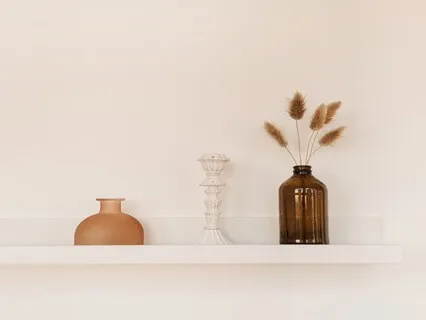
Now have you ever walked into a room,
Nice and white and organised,
Looking beautiful and you felt instantly lighter,
Instantly calm?
Decluttering isn't just about tidying up,
It's about making space for what truly matters.
Now imagine how much clearer your mind and life would feel if you removed the unnecessary distractions both physically and mentally.
So decluttering helps us really simplify our lives,
Reducing stress and improving our overall wellbeing.
It applies not only to our physical spaces but also to our relationships,
Digital environments and even our thoughts.
A clutter-free life allows room for productivity,
Creativity and inner peace.
And for those of you who meditate,
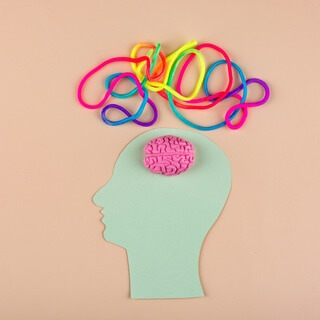
You may well have experienced how the meditation and the mindfulness process is almost like a mini declutter.
We actually give our minds time to let go of those thoughts that are just incessantly going through our minds and with time we notice how wonderfully quiet and peaceful the mind becomes.
And from that space,
New thoughts come up,
New ideas,
New inspirations have space to move and it's through that mindset that very often very creative ideas are made.
Now historical examples of decluttering,
I suppose we really should start with Marie Kondo,
The Japanese organising consultant who revolutionised how people view decluttering with her Konmori method,
Which encourages individuals to only keep items that spark joy.
Her approach highlights the emotional and psychological benefits of a tidy space.
Henry David Thoreau,
The writer of Walden,
He lived a minimalist life in a small cabin in the woods,
Focusing on the essentials and advocating for simple living.
His reflections emphasised the idea that true wealth lies in experiences and self-awareness rather than material possessions.
And Steve Jobs,
Known for his minimalist lifestyle,
He famously wore the same outfit daily to eliminate unnecessary decisions.
He didn't want the confusion of getting up in the morning wondering what colours,
What suit,
What shirt,
What tie.
He basically had a uniform.
He believed that simplifying choices allowed him to focus his energy on innovation and creativity.
And I ask the question today,
If you had less clutter in your mind and you really had more space in your mind to dedicate your energy to something else,
What would you dedicate your energy to?
A study from Princeton University's Neuroscience Institute found that clutter competes for attention in the brain,
Reducing focus and productivity.
And one of the things that's come from studies of people who are already using AI a lot is that memory is severely impacted,
As is creativity.
Isn't that fascinating that the more we start relying outside of ourselves,
Parts of our brain are less activated and will then become less useful?
Research from UCLA discovered that people who live in cluttered homes have higher cortisol levels,
That's that stress hormone,
Than those with organised spaces.
And you can understand and imagine that,
Can you not?
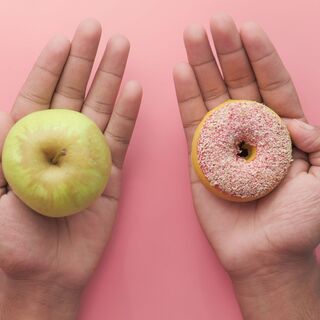
And studies show that digital decluttering,
So replacing or reducing emails,
Social media,
Distractions and notifications,
Improves mental well-being and cognitive function.
So the three action steps I'm going to recommend for today,
Number one,
Set aside 10 minutes daily to declutter a small space in your home and see what improvements have been made after a week or perhaps even a month.
Number two,
Unsubscribe from unnecessary email lists and limit social media usage.
And I would even encourage going into your social media platforms and looking at who you follow and actually only making sure that you follow people that you truly want to hear from.
Number three,
Reflect on what truly adds value to your life and remove what doesn't.
And that starts in the home but it moves to the wardrobe and it moves to friendship circles and it moves to thought processes and behaviours that you may have.
Decluttering can be done in many areas of our life.
And we're going to end today on a quotation by William Morris,
Have nothing in your home that you do not know to be useful or believe to be beautiful.