Welcome to In the Deep.
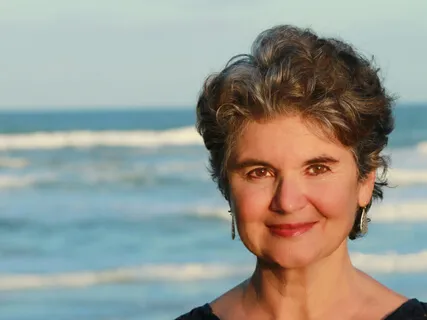
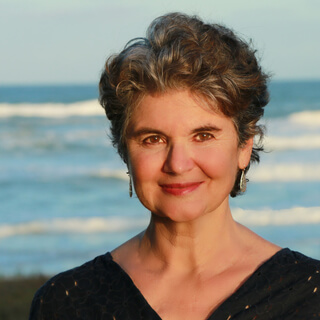
I'm your host,
Katherine Ingram.
The following is excerpted from a session of Dharma Dialogues held in Lennox Head,
Australia in April of 2018.
It's called,
The Past is Dreamlike.
Heraclitus said,
You cannot step in the same river twice.
Because the second time it's not the same river,
And it's also not the same you.
I've added some of this.
If you think about,
As I sometimes do,
All the different previous versions of my so-called self,
My various memories and stories and journeys and passions,
Long since faded in most cases.
And I was talking with one of my girlfriends about this the other day,
How dreamlike it all seems from this vantage point,
How dreamlike it seems.
But not only going back far in time,
How dreamlike this morning seems.
My father has Parkinson's and has some mental diminishment,
And his dream world and his waking world are really starting to blend.
He actually can't quite tell all the time what he was dreaming or what was actually the case.
Fortunately,
It's not yet that way for me,
But nevertheless,
There is something about how viscerally real this seems compared to the memories,
No matter how intense they might have been,
You know,
Your so-called highest moments,
Or the fantasies about what might come.
This reality pops.
This one that we're in.
This is the real one.
And it too,
Of course,
Is fading,
Becomes past as soon as it's passed,
But then the one that you're in is the one that's popping.
And it seems obvious,
I know,
And we've all heard it thousands of times,
But there are times when you get glimpses of a truth that you knew and that you now know in a deeper place.
And for myself,
That's happening very,
Very strongly in my life,
How this quality of just dreamlikeness about the past.
I tend now not to spend much time there,
Not to spend much of my mental interest in things of the past,
Or stories,
Or even the lovely ones.
I think more and more for myself,
The preciousness of the moments that I'm living is becoming more and more obvious.
And it was never particularly lost on me.
I always had a kind of inclination in that direction.
But as we sometimes know,
The truths get more deeply true.
The truths that we have recognized along the way,
As you live them and as you make the experiments and as you just become a little bit wiser with time,
They become even more so true.
So what can seem like almost spiritual clichés can suddenly have a profundity or can have a new profundity.
This all by way of saying what I bang on about a lot,
It's really just love this moment you're in,
Celebrate it.
Have a sparkle in your heart,
Because this is very,
Very precious.
The mind is so powerful,
It can be such a trickster,
You know.
It's like if you just asked yourself the question simply,
Is there anywhere else I would need to be at this moment?
Now sometimes you have an obligation and you're trying to get to the situation that you've obliged to,
Agreed to,
Whatever.
And there may be a sense of I have to be somewhere,
You know,
Of course.
But a lot of times,
A lot of times in your day when the mind is going down some track of what's missing and what might be and,
Oh,
I need to do that,
That would make my life better and I'll be happier when,
And all of those stories.
Or you're looking at something about the past where it looked from this memory,
Which not to be trusted exactly,
Is telling you that was better than this,
And so on.
But really just stop and ask,
All right,
Is this moment okay?
Is this moment beautiful?
Is this moment precious?
Listening to the birds on a breezy afternoon in summer,
At the end of summer.
I just found it really interesting what you were speaking about,
You know.
Not so much in the past now and not so many memories coming up.
I was just thinking yesterday and this morning,
I very rarely go to the past,
You know,
It's like almost like it doesn't exist for me anymore.
But yesterday and this morning I thought,
What's this mind doing?
It's throwing up all these images from the past,
Like,
You know,
I wasn't attaching to them,
But it was just throwing up all these images and I thought,
Where on earth is this coming from?
Because it's so unfamiliar for you now.
Yeah,
Good.
And,
You know,
So when you were speaking about that,
I thought,
Oh,
Wow,
Maybe I was,
You know,
Intuiting or that was just to show me that,
You know,
Even more strongly that that doesn't,
It's not happening really.
Right,
And then there are certainly times when,
I mean,
For myself this morning,
You know,
It occurred to me,
Okay,
It's Easter,
Right?
Do I have any relationship to the day?
Not really,
But when I was young,
Easter was a big deal.
I grew up in a culture where Easter was a big deal,
You know,
And at the very least we had Easter holidays and you didn't have to go to school.
So anyway,
So I had this little flash of a memory of Easter eggs,
Baskets of colorful Easter eggs,
Right?
I had this little memory trickle through.
And again,
I applied to that memory this very thing that I'm speaking about,
Which is how dreamlike that seems,
Like that I was a kid and I was looking at Easter eggs,
You know.
It doesn't live in me in any place I can actually find it in any strong sense.
It's just this,
I realize that it's just these electrical impulses that are,
You know,
Running through the neural channels,
Right?
It's this old,
Like,
Old corridors that are getting activated somehow,
You know,
But the reality was I was making tea and that was really much more real.
And so it's like that.
You just start to,
You know,
Weave easily with your awareness,
Mostly hanging out here,
Mostly in presence,
Right?
Yeah.
And even when it's happening,
It's always just a reminder to,
You know,
Just let it float through and just to be here.
Yes,
Absolutely.
Yes.
It's just,
Yes,
Exactly.
Even when there is memory arising,
You have a different relationship to it.
And I think that's what I'm speaking to is that that relationship gets lighter and lighter and lighter,
Such that sometimes I have had the thought,
Did I dream that or did I actually think that before?
Like,
Was that part of a dream or was I thinking about that at some other previous time?
And I realize it doesn't matter.
It just doesn't matter.
And I watch that with my dad a lot,
You know,
Whether he thinks he dreamt it or if it supposedly actually happened,
It kind of in his case doesn't matter.
And I think in some ways there's the,
You know,
Not that one wants to lose one's brain functionality,
Of course not,
But that you begin to have such a loose relationship with your stories and all the things that make you think you're you,
Right?
And some of that has to do with one's history.
Now,
We all do know people who very much live as a presentation of their own history,
Whether it's their accomplishments or what they have or what they used to be in the world,
Right?
And that that kind of hangs around them like a cloak almost,
Right?
I find while I understand it and I understand that's the way of the world a bit,
I never find that a particularly attractive presentation of a being,
You know?
It's very nice to meet someone fresh and just,
You know,
Hang out.
It's just us kids here after all.
But it's true because all those,
You know,
Past experiences and everything,
You know,
When that's the focus,
It just avails what's here and what's so delicious.
Absolutely,
Right.
It avails it and it also lords it over other people in a way.
It's sort of like,
You know,
I'm somebody.
Here's my historical record,
My curriculum,
Right,
Of me.
Yeah.
Yeah.
The irony,
Of course,
In all of that is that often when people are doing that,
What they really want is to be accepted.
And they think they have to be doing that to be accepted when,
In fact,
It's the very thing that might be counterproductive to that desire.
It's like,
You know,
Recognising when I've done that myself,
It's horrifying.
It's horrifying now,
But,
You know,
I look back and I go,
Wow,
It was a way of me reaching out and trying to find some way to relate.
Yes.
But now that's just not the way to relate for me.
Right.
Yes,
I know.
Well,
It's horrifying not only looking back on it,
It's horrifying while one's in it.
Like,
Sometimes one can find oneself slightly working it a bit,
Like,
You know,
You know,
And suddenly realise it and it's just,
It's horrifying.
You want to just sort of stop mid-sentence and say,
Let's start over.
Right.
But a lot of people don't catch it,
Actually,
In the moment or even later.
And,
You know,
And,
Yeah.
I like that,
Let's start over.
I mean,
I think that,
But I would never really say it that way.
It's true,
We don't typically say it.
Why can't I say it?
Why can't I just say,
Oh,
Yeah.
It's true,
Why not,
Actually,
Yes.
Yeah,
I'm going to try that.
I have one of my best friends,
One of my best friends is such a character,
This is my friend Hanuman,
And he's such a character.
And he's very,
Very clear on his boundaries,
Whether in conversation or anywhere else.
And there are certain topics that we have learned over our,
I think,
38 years of friendship that we don't agree on.
And if we start meandering down that road,
He will simply say,
I don't want to have this conversation.
And I have learned over the years to just simply say,
OK,
And we just completely change the conversation.
And it's been a great teaching in a way for me in that even though sometimes in polite society you can't simply say it quite that way,
I don't want to have this conversation,
That's a very kind of cut through and quick route to it.
But just to sort of gently change the conversation,
Right?
Just change the conversation,
Redirect it if possible.
I have learned to do that.
And so as not to be rude or unkind to someone or have them not think that there's more negative energy on it than there would need to be.
But yes,
It's all the ways we learn to play it,
To stay fresh with each other in the moment,
To stay fresh and to keep.
.
.
The whole reason usually we're having conversation is to connect our hearts together,
Right?
Sometimes it's for educational purposes or whatever,
But socially and with friends and family,
We're making all these noises together in order to have a feeling of communion.
Right?
So if the noises are making us feel separate,
They're obviously not doing their job.
And so to find ways to know that that's the primary thing,
Right?
That's the primary thing,
Which I love about my friend.
He knows that if we go down this certain route,
We're going to start feeling separate from each other.
It's not to say that one doesn't disagree.
We still have areas we talk about and have our differences of opinion.
But it's very,
Very light.
There's certain other topics that we go down that are a little heavier.
And so we don't go on those.
And I've learned it over the years with my family.
One of my friends recently was talking to me about someone he knows whose political views he just finds somewhat abhorrent.
And I was saying,
Well,
Maybe that's just not a subject area that you should be on together.
But then we were both acknowledging that if there are too many of those with someone,
If you're just feeling like you're walking in a minefield all the time with each other,
That becomes too tedious.
And it may be that in that case,
Too much togetherness and too much interaction with conversation is not the way to keep the heart channel alive.
And so to really understand,
You don't have to mishmash with every single person fully.
You acknowledge where the resonance is and where the flow is and certain areas that you might not want to speak about together because it's just not easy.
Or it's not leading anywhere.
It's not as easy as it's worth showing someone information that might change their mind about something that is helpful.
But I'm talking about when it's not the case,
When there's just attracted worldviews that are just going to cause a lot of strife to be engaged in.
The other thing about this dreamlike quality of our past is that I've also noticed that I don't hold my opinions as strongly as I used to,
Not by a long shot.
And I think part of that,
Too,
Is that when there was more of a need to present as a somebody,
There was much more of a need to be right.
And so those went together.
Somebody who was right.
There's no point being somebody who's always wrong.
Somebody wants to be always right.
And so when that's loosened up a lot,
Then you're not as invested.
It's like if someone else has a different opinion,
It's like,
It's okay.
Yes,
It's quite lovely when that need to have an opinion kind of falls away because it does make for a much,
You know,
A quiet space.
Yes.
You're not feeling like you have to have an opinion about things.
Yes.
Yes indeed.
I once went to a party in San Francisco and it was a very interesting group of characters at dinner party.
And at some point the host suggested that we go around the room and everyone who wanted to speak basically give a readout of what they felt was happening on planet Earth at this time.
So in this room were a number of very famous thinkers,
Teachers,
Philosophers.
And I listened to all these quite interesting points of view,
But I didn't feel any impetus to speak.
It just didn't arise.
It wasn't that I was resisting,
But I didn't feel any need to speak.
I felt like some of what I would have said got covered in the room,
So good enough.
And anyway,
The next morning I was staying with a couple of friends I was just visiting.
And the next morning they had both spoken,
But they were in absolute turmoil about what they had said.
They were like in massive regret and they kept saying to me,
You were right to just not even.
But again,
Even that was all kind of somebody-ness rearing up in the morning saying,
You know,
Whatever I was saying wasn't good enough,
Right?
Or wasn't good enough in that augusta company.
And,
You know,
Just self-recrimination because the somebody-ness was kicking up its heels saying,
You know,
Did I do it right?
Am I good enough?
What do they think of me?
You know.
Yeah,
The old superego.
Yes.
Yeah.
I'll just say what I had on my mind is like,
What is truth,
You know?
Because it almost seems an irrelevant point to me if something's true or not completely.
And the most profound things only relevant to that moment and nothing more.
That's good.
Yeah.
So I guess where I said,
I mean,
I wake up in the morning sometimes and I actually don't know where I am.
And I can say,
Oh,
It's because I'm exhausted or something like that.
But it's not like that.
It's not just that.
It's not that.
Yeah.
And it actually doesn't really matter.
I don't need to understand where I am.
Yeah.
Right.
If I look at life,
You know,
From what I've seen for centuries and centuries and centuries,
It's always been like this.
It's fine.
It's always greedy.
It's always horrific.
It's always got this and that in it.
And it always will.
It's OK.
It actually doesn't matter to me what all those things are.
Because there's a place where you witness it all.
I hate the word witness.
Where you simply experience it.
But it's untouched.
It's unmoved.
It's uncontaminated completely.
And I really,
I really kind of at the moment in my life anyway,
I feel really kind of tired of all the doomsday stuff and everything that's going on.
It's like,
Let it let it go.
It's OK.
Well,
I understand that.
It's not a giving up,
By the way.
Right.
No,
I get it.
Yeah.
I think I move about on those two wings of the bird.
On the one hand,
It's just also let it be as it is.
Right.
As it is.
The more relational human part of myself,
Which has a great love of the beings,
The animals,
The little kids,
The beauty.
Innocence.
The innocence.
And is aware,
Probably too acutely aware of the sorrows that are happening and are intensifying.
That part of I mean,
There's a broken heartedness as well.
So they're both in they're both alive.
Both of those perspectives,
Even though they may seem counter to each other,
Are alive and well in me all the time.
And I noticed just when we were talking about when when I'm falling off into more depressing thoughts or,
You know,
Stressful feelings,
It's always about the situation of the world.
That's the main bugaboo for me.
You know,
And I'll notice that I'm starting to anxiety is starting to really take hold.
And that's when I switch the switch the channel a bit and tune in much more to what you just said of this is how it is.
Right.
I'm not going to fight reality on top of everything else.
And that it is as it is.
And who's to say it should be other.
Well,
It even goes further.
Oh,
Tell me.
But it sounds so ludicrous at some.
No world and no people,
Actually.
Well,
Okay.
I mean,
I know I've had those conversations and insights myself and had those moments where that was true for me.
But I can't I can't really access that.
You mean no world,
No people in the future or no world and no people now?
Yeah,
I have a hard time accessing that one.
And I know that people do access it and I have access to it at times.
But at this point in my life,
You know how we're talking today about dreamlike and how you change and how you're not the same one who steps in the river?
A lot of what has happened for me in a sort of dharmic journey point part of the way.
It's like they used to say that in Zen you start out mountains or mountains and rivers or rivers and you go along the path and you come to a point where mountains are no longer mountains,
Rivers are no longer rivers,
No world,
No people.
Okay,
You keep going around,
Around,
Around.
Eventually you come to mountains or mountains and rivers or rivers.
I'm hanging out there.
I don't claim to have gone on the whole journey,
But I am into this kind of practical this world is the only one I know,
Right?
This is the reality in which I hang out.
And as I've gotten older and more sensitive too,
I do understand the repercussions of decisions that they have a knock on effect,
Right?
And that a lot of people are paying a very big price.
I think we will all be paying the price at some point.
And I just live with all of this in my heart.
And I honestly,
I don't access that no world,
No people.
I can access the no people part in the future,
But I think the world will still be here.
Yeah.
It's very hard to frame into words.
I just sense that there's a truth in there somewhere.
Yeah.
Even a person,
For instance,
A jumble of thoughts about self-identity,
Blah,
Blah,
Blah.
So what?
Let it go.
What if there's none of that?
And there just simply is.
So there's a place where it all,
Where all that fluffs away,
You know,
Like it's gone.
And there's.
.
.
Yeah,
Yeah.
Yeah,
I don't know.
I just.
.
.
That it's a mysterious happening that each of us is,
And that it's not as solid as we can call it a person.
But what I'm saying to you is we can know that right now there are,
First of all,
There are more refugees that have ever been,
There are more people migrating than have ever been in history of all the big migrations that have happened,
Right?
And why are they migrating?
Because they're out of food.
They're out of water.
They're in war-torn places.
And they're migrating out of desperation.
And the places that they're coming out of,
These hell realms that are getting more and more hellish,
I mean,
The descriptions of what are going on in these places.
So to say,
Well,
You're not really a person.
I mean,
I guess for myself,
I have to be very authentic in this to you.
An honor that you're seeing it that way.
And to say again that I have too in the past.
It's not lack of compassion or anything like that.
I understand that I would help any,
You know,
Like anybody,
Anything.
Yes,
Of course.
Yes,
Yes.
Okay,
Here's my problem with it.
And please,
Please tell me if I'm wrong.
I would love to know.
It feels whenever I hear anything like that,
It feels like a story that distances one from the actual true suffering with the true empathy of suffering with those who are in horrible circumstances.
So it feels sometimes I,
You know,
Have used the word or people use the word spiritual bypass that it's like you can tell yourself these nice stories.
And I've done it that give you a little distance,
Right?
Give you a little bit of wiggle room away from the intensity of the reality of it.
That's that's my issue when I hear it.
That may not be at all what is happening for you when you're saying it.
I don't have anything to say.
I understand what you're saying.
Okay.
And quite possibly that's the case.
Probably is.
But I'll just leave it there.
Yeah,
Okay.
Yes.
And I'll leave it there too.
I'll let it roll around in me as well.
Yeah,
Because I may have to look at that as well.
Because I,
In terms of my own read of it when I hear it,
I've become a little allergic to it over the years,
You know,
And so I'll also look at it and see if I need to re-examine that in a deeper place.
I mean,
I think it's wonderful to push the awareness out to its outer balance and consider lots of points of view.
And that's what you're doing.
I think that's very useful.
But to also.
.
.
Just points of view though,
Kath.
Just points of view.
Yeah.
And mine too.
I never claim to be,
I'm not speaking some kind of ultimate truth.
I'm only ever speaking my own experiments with truth.
Right.
And to just say,
I have.
.
.
Do you know the ten ox herding pictures?
No.
Okay,
Well you'll stay after class because I actually happen to have them on a wall in here.
So we're going to go look at them afterwards.
That'd be good.
Something I've noticed in the last month that's kind of been prevalent is this experience I've had where if I just rest in my nature,
I'm really lazy.
And I just would not do anything.
You love that you said that,
But go on.
And I love comfort.
And so,
You know,
Like I wouldn't go camping or do any exercise or even getting out the door is like.
.
.
So what I'm noticing is that there's this kind of like this polarity or this.
.
.
It's almost like I rest in my nature and then I've got to get out the door.
And there's this huge push required to get the kids on the school bus and to work and this really big push required to do some exercise.
But then when I actually do push,
I actually feel really good afterwards.
Well,
Some things would certainly fall into that category,
Wouldn't they?
Exercise.
Yeah.
So there's this kind of sense of like when I'm following the pull or the impulse or asking myself,
Well,
What feels good?
It's like,
Am I.
.
.
I get a little bit confused because it's like what feels good right now or what feels good later?
You know what's coming to me to say,
And I really,
You know,
I mean,
It's just this is just how I play it.
You always know that that's what I'm saying is how I play it.
Split the difference.
Do you understand?
Sometimes do it,
Sometimes not.
Right.
Go for half the run you thought you should have gone.
You know,
Right.
Especially because you're going to then honor your nature a bit more because,
You know,
We live in type A societies.
We're just constantly pushed to be doing and going and exercising and the laundry list of all that we're keeping up with is growing as our world and as our pace speeds up.
Yeah.
And when I like when I was what just came is when I was a kid and I was allowed to do anything I wanted,
I just literally all weekend I was in bed with novels from all weekend,
Every school holiday.
Love that.
Naturally.
And I fantasize about being an old woman or being a child and that.
Yes.
To be able to be allowed to do that.
Yeah,
I totally I'm the same.
I was just thinking the other day how lazy I am.
But there's this little voice inside that's like,
Oh,
But I should be seeing all the beautiful nature going on hikes or,
You know,
Doing all this stuff that I really don't want to be doing.
Right.
Right.
You have to be so honest and authentic to your own nature.
You know,
Do you know who Ramana Maharshi was?
You do.
Have you ever seen a picture of Ramana Maharshi when he wasn't just lolling about?
He's usually he's usually I mean,
There's the famous picture one,
But he's often just,
You know,
Like on a chaise lounge kind of,
You know,
Just lolling about.
You know,
I mean,
Now that might not be every one of our human creatures nature.
Some I do know people who they need to move and they're more quiet in themselves when they're in motion.
I'm not like that.
I'm more like you in this regard.
And I have also been conditioned in the same kinds of culture as yourself so that I've had to do a lot of asking myself,
Is it true that I have to go do all this stuff to be living a full life?
You know,
And do I have to exercise at the level?
Do I have to drink all that water?
I mean,
Just on and on the whole list,
You know,
And do I have to keep up with all this stuff?
And the answer is no.
Right.
And I've really learned to that actually,
Here's something kind of radical.
The most healthy thing that I do for myself is be my authentic self.
I know when I'm being really my authentic self,
My cells are happy.
And I can afford to do it too because my authentic self isn't going to go out there and rape and pillage and do all kinds of bad things,
As some people might argue their authentic self would want to do.
Mine isn't in that inclined.
If someone were inclined and said that's their authentic self,
I would say suppress it.
But because it isn't and because I can trust that the worst that will happen is that I don't get some things done or that I get a little more fat or whatever.
That'll be about the worst that happens.
And so,
You know,
That I am not willing to live with the whipping,
I won't be the whipping post any longer for a culture that is stark raving mad.
Right.
And that is rapacious.
This world we live in and the cultures that are in charge and that the inherent ethos is rapacious.
It will destroy every last thing as it goes on in its rampage.
And so I know that the cultures that I admire and the beings of any culture that I admire and that I know are the true hearts of the world,
That is not how they lived.
And frankly,
Most of them lived in a very slow way.
And what's coming to me is this because what the but that's been coming up is that my six year old son's extremely dynamic by nature.
And my three year old daughter is just three.
So she is also.
And so that's that's kind of,
I guess,
For me,
The meeting halfway,
Perhaps with them.
Yeah,
It may be that that's enough activity for you,
Just trying to keep up with them.
It may be that that's that you don't add on,
You don't have to add on any kind of extra activities for yourself,
You know,
And that if you do find some time to lay in bed and read a novel,
Well and good.
And think of it as you taking care of the caretaker.
One of your jobs as a mother is to take care of the mother.
And so so that the mother can do her job well and be full of love and energy that you can bring back to the very demanding,
Dynamic characters who are in your charge.
And so when when you're ever tempted with these thoughts,
Stop and just say,
I don't necessarily believe this.
Right.
That's the first question I ever asked you was when my son was born and I was so tired.
And I remember you said something like,
Fit your own oxygen mask first before.
And I was like,
Oh,
My God,
I love this.
You can always tell me to say rest.
Take care of yourself.
Relax.
Don't bother.
Just sleep.
Just sleep.
Yes.
Yes.
Well,
It's amazing.
I mean,
I have been saying things like this for so many years,
But in the last few years,
There's been a massive amount of research now that is showing how important it is to sleep a lot more than anyone realized was necessary.
How great it is to sleep eight or nine hours,
You know,
And like real sleep and and also to just rest as much as possible.
You know that now a lot of,
You know,
A lot of workplaces are allowing people to take breaks and to rest and to take maps and,
You know,
Make different kinds of schedules so that they can have.
They're not just on an eight hour stretch because they've seen.
I'm not so much interested in how the productivity falls,
But that is what interests companies that their productivity of the day falls off rapidly in the last few hours because people are exhausted.
And so even just from an efficacious point of view,
You know.
But anyway,
That for you is something I think that you can give yourself going forward by just simply reminding yourself,
Making experiments,
Seeing what happens if I lay in bed today and just do nothing but read a novel.
What happens?
Right.
Make the experiment.
You can afford a day to check that out and just notice,
Notice if you feel if you feel enriched by that,
You know.
Yeah.
Yeah.
Thank you.
Yeah.
I do have one more question,
If that's OK.
It's kind of about.
So I work as a counsellor and it's also through my experience and also what I see in other people.
But it's there's this sense when people come to see me and in my own experience of like if they've had some trauma or traumatic experience,
They often want to go over it.
Yeah.
Like get it out.
And for me,
In my experience,
It's like I dance.
I love dancing.
And it's like sometimes I dance and my body naturally wants to go into whatever,
Suppressed anger or,
You know,
Some strong negative emotion or stuff that's been brewing or has been something.
I don't know.
And it's like.
You know,
There's this I guess the questions around like.
Is that OK?
Like,
Should I be just attuning to peace and attuning to.
Yeah.
In yourself or telling them to.
Oh,
It's tricky.
It's like.
Yeah.
OK.
So in myself,
I feel like it kind of has its way with me and then it passes through.
But sometimes with them,
It's it doesn't feel like that.
It feels like it's almost like this sounds really bad.
But sometimes older people just talk about their ailments and they just kind of go on and on about,
You know,
That kind of energy of complaints about different things in their body.
And it's like that's the focus and they're kind of stuck in it or something.
Yeah.
And yeah.
So,
Of course,
It's a balance if you're sensing that that they actually are in pain.
You know,
It's a balance of compassion and of some way of being helpful to either try to get them alleviate to alleviate the pain physically or to find some way of using their attention that allows them to not be just stuck locked in with the pain all the time.
If you're talking about more psychological things about trauma from the past,
Then I would ask you,
Do you sometimes sense that as somebody is telling the story that they've told you many times,
Are they just going over the same ground over and over and over again?
In which case,
There may come a point when it seems appropriate to redirect their attention a bit.
One thing that I like to point out to people who I sense are going over and over their traumatic stories is I like to make an experiment to see if they can see themselves in that circumstance,
Perhaps in memory of when it happened,
If they can find a place that was witnessing even then,
Back then.
And I think almost always it's been the case that they have been able to,
They've actually understood that immediately.
And so I've pointed out that that was a place of freedom even within it,
Right?
And to really let that be part of the understanding of the whole piece rather than being fully victimized.
Because I would say it's case by case that you,
In your own sensitivity and empathy,
That you're reading the energy as you go,
Right?
You're tuning to their response and your response and their response.
You know,
That it's a tuning fork and that if you're sensing they're ready for something of a more strong pointing out,
Then speak the words that come to you in the moment.
Thank you.
That really speaks to me because I guess,
And I only ever can really go into my own experience,
But it's like sometimes when I am dancing or meditating or something and there is a resting with the strong experience.
Yeah.
It's like something even deeper,
Like it's kind of something even stronger or a more intense part of it will bubble,
Be felt.
And then it's like,
If I can rest into that,
It keeps kind of like waves or something.
Sure.
Yes,
Right.
In Tibetan Buddhism,
I love this simple phrase they say,
The cloth is in the dye,
Meaning the cloth is in the dye and the cloth just sitting in the dye is getting stronger in color.
Right?
And so as the awareness starts to tune to,
Let's say a Dharma channel,
As the awareness starts to listen to that frequency,
You know,
It's like the cloth is in the dye.
So everything is getting deepened and clearer and stronger in the color of it.
Right?
The simple understanding of the dreamlike quality of the past.
It seems like,
You know,
Everyone can say,
Yeah,
Yeah,
I know that.
I know that.
Sure.
But it becomes more and more the truth.
Yeah.
Simply,
I suppose it's those moments of being in the present.
It's funny you talk about this because I was driving here thinking about how beautiful my morning was,
You know,
In the past with my sister and just,
You know,
How those moments when you just totally in.
There's no kind of necessarily there's nothing else going on.
You're just moving with it.
It's just so beautiful.
And you feel open and it's not always a good experience,
But whatever it is,
It's it brings you totally in.
And then I spend a lot of time working out how I can get into that space.
So there's this sort of duality where I'm either in and I'm feeling like I'm kind of connected or I'm thinking about how can I get in and be connected and being busy with what I need to change in my life,
What I need to change in myself,
What I need to see.
It's actually it's a real burden.
Like,
I know the answer is just stay in the present moment,
But I can't understand why I'm so attached to this working on myself.
Do you know what I mean?
To get back here.
And also the other thing that sort of wove into that was when you were saying about trusting your own nature.
And if you're a kind of psychopath,
You tell them not to.
Fair enough.
But that's okay if you have kind of innocuous qualities,
You know.
But what if you've got a destructive conditioning or what if you've got these kind of things going on?
You can't just go,
Oh,
Just be in that and destroy myself.
Right.
You know,
So that if your conditioning kind of struck you in a particular way,
There's a need for some kind of discernment.
Yeah.
But then that can become like a burden of almost being in the moment,
Then having to be aware and watching yourself or what.
You know what I mean?
And then.
Yeah,
Well,
It doesn't have to be too much of a burden.
Having discernment can be kind of light and just kind of a guidance,
You know,
That you have as part of your toolkit.
You know,
That you only need it when you need it.
You only use it as needed.
You don't have to have it as a kind of Uber watch guard.
Right.
You just notice if in your own case you're starting to drift into a bad habit of any sort.
You know,
I was also thinking today about the nature of obsession and how perhaps we all might have little secret obsessions,
You know,
And some might be more,
As you say,
Innocuous than others.
But that,
You know,
We as human animals,
We like to find ways to get high in different ways.
Even people in certain cultures of old didn't have many other ways.
They would spin.
They would just simply spin.
And kids love to do that too,
Don't they?
They love to spin so that they get dizzy.
Right.
There's a way in which there's a kind of attraction to all kinds of things that people want to do with playing with reality,
You know.
So we all have our own versions of that,
Little private obsessions or things that are not that big a deal,
But that,
You know,
We do.
And to just in awake awareness as a general way of being,
You're pretty good,
You get pretty good at knowing when you're starting to go over the cliff with something.
Right.
You're starting to get,
It's getting to be too much,
You know,
Or whether it's with food or whatever it happens to be or watching stuff or anything,
You know,
Too much time on the Internet or,
You know,
There are all kinds of addictions that are running out there.
But you just start to know that you're feeling off,
You're feeling a little nervous,
You're feeling agitated,
Something isn't smooth.
And that's your wake-up call,
That's your Dharma bell.
And then you just gently tune the awareness,
Interrupt,
It's okay to interrupt the pattern,
You know,
Make a change of habit,
Even if it's just for the day,
You know,
Take a little break from whatever it was that was calling you.
And like that,
You manage it in a really gentle way.
Right.
Always very gentle.
Now,
You were speaking about getting back to,
Getting back to.
So this notion will be an obstacle,
Will be a preventative measure.
So it's always about,
It's always just about relaxing and not doing,
Not straining,
Not thinking that there was some other.
You know those images,
I think they're called magic eye or something like that for kids.
The 3D ones,
Yes.
And so,
And you've no doubt been able to look and see the 3D image.
Great,
Some people can't.
But if you're someone who has been able to see that,
You know for sure that it wasn't through straining to see it that you saw it.
Isn't that true?
There is some way that the perception shifts in a kind of relaxed way actually,
Almost like you're not trying.
And suddenly,
You know,
There's the deer that was standing in the forest,
You know,
That pops out of the image.
I have that perception of myself and so I can see what I'm doing.
But then there's the,
Where it disconnects is kind of continuing to do it.
Which is quite painful because I can see.
So if I let go of all the heaviness that I have around that,
The judgment and this or the other,
And just hold that lightly and maybe,
You know,
And go,
Okay,
I can see here I am doing this again,
Blah,
Blah,
Blah.
But it's just,
Yeah,
I'd like to,
How does that awareness become a change without it being a struggle?
The awareness is the first powerful step of it and is actually something you can kind of count on to be,
You know,
Helping dissolve the tendency or at least mitigate the tendency.
So at your own pace with the awareness and with noticing the discomfort of continuing the pattern,
Just let it roll out as it does,
Especially if it's not hurting other people and not hurting you and not sure.
So,
You know,
Again,
Being gentle,
Being loving,
Understanding the process,
You can't rip the skin off the snake.
Right?
I do feel like doing that change.
Yeah,
Yeah.
Right.
And it's it's molting.
It's what's happening,
You know,
And the awareness is like this,
You know,
Big light on the subject.
Right.
So you,
More and more you trust,
You trust that.
Right.
You know,
I said earlier that I had the other day this thought,
I am really lazy,
But I didn't add,
I wanted to tell you all that I had another thought that came right back right after it,
Which is I don't care.
I kind of like it.
It's what I teach.
It's what I say.
You know,
I mean,
We call it lazy.
But another frame on it is that I'm content a lot with not doing much.
I was thinking about it in the context,
I was noticing how I only do just whatever I have to do to keep my little scene rolling.
Like I don't do anything extra.
And I'm very good at finding the absolute shortest route through.
It's like my little power.
I can do as little as it takes to make this thing happen.
And I was thinking,
I'm OK with that,
You know,
Counter to my culture.
Right.
Counter to like the way that many people would celebrate being in the world that,
You know,
You do all this extra,
You know.
I so value free time.
So called.
I just really value not having a lot of scheduled time.
Yeah.
And I know for myself,
For this creature and for its nervous system,
That's the healthiest way I can be.
It's part of what I was saying about the health of authenticity,
You know.
So to your need here as well,
The more that you can put in some rest into the equation,
The more easy it would be to,
In a way,
Resist certain things that perhaps have been used as comfort of different sorts,
You know.
You know,
I know for myself,
For instance,
Too,
I can go through phases of like needing comfort food for whatever reason,
Little whatever.
Just this and that,
You know,
A little stress period or a little sad period or a little,
You know,
I don't get through a week,
I think I've said before,
Without hearing sad news from around the world of my various loved ones,
You know,
Different ones,
Diagnoses.
And just you'd be surprised if you even heard what I woke up to today.
But anyway,
Because it's always a lot because I know too many people.
And so I sometimes will notice I'm like,
I'm comfort eating or I'm eating types of food that I'm not going to feel so great about eating necessarily,
But I just want the comfort of it,
You know.
And so I'll do that a while,
But all the while,
Like yourself,
As you're describing,
There's an awareness on the subject,
You know.
And I'll know that at some point,
This is going to shut off,
This valve is going to get closed in terms of continuing this behavior because the cost benefit is going to be more and more obvious.
And so I don't beat myself up for that little flurry,
But at the same time,
I don't usually let it just go on and on.
But I understand it's all the ways that we're trying to cope,
Right,
With our lives and whatever difficulties which each life has.
And what I was saying,
Though,
Is that to the degree you can be rested and therefore have the full complement of your energy and your clarity of mind,
Then.
.
.
It's really ironic because the habit I've got is doing too much.
Yes.
It's like the opposite.
I need to stop.
Okay.
So see that.
See that.
And it may take an act of will initially whereby you actually schedule in deliberately and you hold to it downtime.
The well of nothingness,
Poonjaji called it,
You know,
The importance of being in the well,
Drinking from the well of nothingness,
Whereas just take it down to the base of being.
Really unscheduled time.
And if you feel like laying in bed or sitting in the bathtub or just being at the beach,
Not even walking,
Just sitting at the beach,
So be it.
Right.
And know that that's just,
As I was saying before,
You're taking care of the caretaker.
Not to feel guilty or anything like that or like you're missing something or that you're supposed to be,
Fill in the blank,
You know.
Sure.
You know,
Almost everyone,
I said this recently on a podcast as well,
Almost everyone who comes to my retreats around the world and has for many,
Many,
Many years,
Almost everyone arrives exhausted.
And not just from the travel to get there,
Because in some cases in the old days,
Like when I was living in Los Angeles,
Most of my local retreats were local people coming from Los Angeles.
So it wasn't like they came some distance,
But they came exhausted,
Nevertheless,
From their lives.
And I think there's a level for most people's lives in these cultures where exhaustion is the norm and everyone is operating on a certain level of pushing through.
And so I challenge all of this.
That's why I moved to this country in part,
Because it's going at a slower pace.
And I really challenge that entire way of being,
I see the toxicity,
I see how unhealthy it is,
I see the disease that's erupting from it,
Both mentally and physically.
And I completely challenge it.
I notice when I wake up,
One of my favourite things is waking up where there's just nothing to do.
Nothing to do.
And if there's one little thing to do,
It's sort of like,
Hmm.
Even if it's not until four.
Wish that wasn't there.
So I like that waking up with nothing to do is like a fantastic.
But then I also do notice,
And I think we've spoken about this before,
Then in the emptiness,
Sometimes my mind can turn back on itself.
And I was thinking when I was driving here,
There's part of me that doesn't like to admit it,
But I actually I can't do this path on my own.
I just can't.
I have to come to things like this to remember,
Or I'd get washed into some pool of confusion of self-criticism.
So I really need the sense of community just to land in a solid point of view.
I completely understand and agree,
Because the other broadcast is so strong in the rest of the world and the culture.
And so it's easy to sort of have the old conditioning,
Especially since it's still being broadcast loud and clear,
Take over.
Whereas when you come to this kind of gathering,
The osmosis of being together with people who you consider not insane,
And that you think,
Okay,
I'm not crazy for loving this kind of taste and challenging that system and stepping to a very different beat,
A much quieter beat.
Right?
So it's a confirmation that inevitably leads to more confidence in how you're playing it.
Right?
That's part of what happens in these kinds of gatherings is confidence builds.
You're realising that what's being spoken of in the room are the core issues for yourself as well.
And so you're realising there is another way to see this and to play it.
There's another comment too about the opinions thing.
I just notice,
Like,
In the sort of,
When there's a lot of space around me,
Which I do have in my life right now,
There's just so many incredibly stupid opinions in the world around global warming that doesn't exist,
Or this or that.
There's so many stupid opinions that get come at you.
It's like there's a constant creating of opinions back the other way.
There's a constant positioning of myself back the other way,
Which is kind of a fun game,
But it's not the game.
It's not the big game.
But it's easy to get lost in self-righteous opinions about the stupidity that's going on here.
Yes.
Yes.
And it is,
Frankly,
It's painful to watch in terms of simply in terms of the suffering that is ensuing as a result of the ignorance,
The greed and the ignorance that our species has been rolling along in for so long,
And it's getting very costly,
You know.
So that's painful to watch.
And so when you see it even in the microcosm,
Even if you saw someone ranting on the street corner,
It reminds you of the macrocosm of the thrust of the whole entire production of the species.
Yeah,
So it's frustrating,
And that's a natural feeling.
What happens for me is I keep going big on the picture and just seeing it from an evolutionary point of view that this is what this species has been doing.
And it used to be that the greed and ignorance didn't have a tremendous amount of world consequence,
That we just have local consequence,
Bad enough,
You know,
Bad enough that there was madness,
Destruction,
Rape,
Pillage,
You know.
You think about,
I've given this example so many times,
But like the Colosseum in Rome,
What went on there,
What actually went on there,
And that high society would go as their entertainment to watch what went on there.
You know,
You think about just,
Well,
Just a cursory glance at history,
If any of it is accurate.
You're just shocked at what this species has been doing all this time,
You know,
And continues to do,
Right?
And so if you widen the lens big enough,
It becomes impersonal,
Right?
You just see,
Ah,
So,
You know,
At what point could we have stopped it or what point could it have changed course?
That's irrelevant.
It didn't change course.
This is the course it took.
I would argue that it was the inevitable course.
And it wasn't one little point in history that we went off the rail.
It was how it was going for so long.
And that it comes to this point.
And all along the way,
Though,
There were these bright lights who saw it differently,
Right?
And they're the ones whose names we remember in history.
They're the ones we relate to as the wise ones,
Even though many of those are long dead.
But now many more are here,
Not many more in the rest of the culture,
But many more than of the few that we know about from history.
And that channel is still being broadcast.
So it is very cool to sort of in the midst of the chaos,
The madness,
The horrors,
The ignorance,
The incredible greed by beings who have so much already,
Such a disproportionate amount,
And then still wanting to take the last bits of bread out of the mouths of the poor and bomb the hell out of them all over the world.
And yet you're watching all of this,
You know,
Just stunned.
At the same time,
There's this quiet,
OK,
This is how it's playing out,
Right?
This is how it is.
And I feel I thank my lucky stars for whatever reason,
Having an attraction to the Dharma broadcast,
As I can't find another one that is a safe haven.
But that one is pretty good in terms of letting go,
Keeping calm,
Standing on the side of the good,
Standing on the side of the angels,
You know.
Having compassion as much as you can generate in the face of so much ignorance producing suffering.
All of those things,
You know,
Just to.
.
.
Not only to get through,
But to celebrate,
You know,
The moments that are just the beautiful moments.
This has been In The Deep.
You can find the entire list of In The Deep podcasts at katherineingram.
Com,
Where you can also book a private session by phone or Skype and see my upcoming events.
Our Italy retreat of 2018 is now filled,
But we have space in the New Zealand retreat in May of 2019.
If you're a regular listener,
Please consider making either a one time or a recurring tax deductible donation in any amount that is comfortable for you.
We have donate buttons on each page of the website.
Another way to help is by putting up a review wherever you're getting your podcasts.
Till next time.