The Burdens of Pretension Welcome to In The Deep.
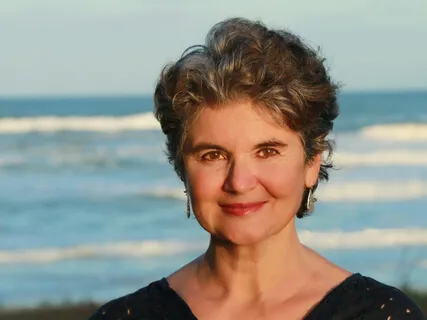
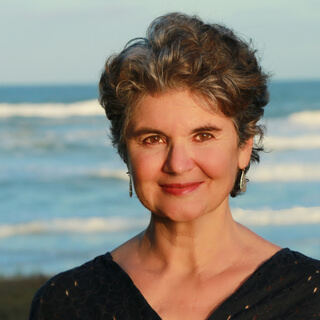
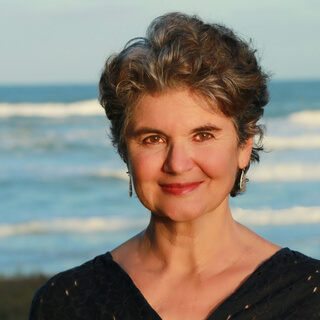
I'm your host,
Katherine Ingram.
The following is excerpted from a session of Dharma Dialogues held in Lenoxburg,
Australia in April of 2019.
It's called The Burdens of Pretension.
This is from Krishnamurti.
It's very short.
A lily or a rose never pretends,
And its beauty is that it is what it is.
A lily or a rose never pretends,
And its beauty is that it is what it is.
So in other ways saying it's manifest in its own complete authenticity,
And it's not trying to be authentic either.
It's just that,
And it's something that eludes us as humans.
I've always loved Leonard Cohen's line in his song In My Secret Life.
It's so honest.
It stands around it where he says,
I smile when I'm angry,
I cheat and I lie,
I do what I have to do to get by.
Right?
So we all understand,
Right?
We all understand this very well.
And yet we incline to authenticity.
We admire it,
Right?
We love it when we see it.
But it does,
You know,
As we become more socialized as creatures,
We make adjustments,
We make compromises,
We have fears.
We want to be approved of,
Want people to like us,
We want to get something that we're after.
And we make little tiny adjustments as we go.
Now,
I've noticed in my life that the quieter I get,
The more those little adjustments and those little contortions become quite irritating to me.
It's like having an irritant,
Like having a pebble in the shoe.
And so when I release them and move into authenticity,
No matter what the cost,
And often it does have a cost,
I find that it instills a confidence to keep doing that,
To keep living in that authenticity.
Because I notice that the compromise is far worse.
Living with a feeling of compromise,
Living with a feeling of some dishonesty or some way that I'm not being fully truthful.
Sometimes that's just to oneself even,
Right?
Sometimes you have to look at something that's been whispering in your ear,
And maybe you're ignoring it and distracting yourself,
And it might start whispering in your dreams,
And then the whispers get louder and louder.
But when you're very quiet,
You hear those whispers kind of right away.
They don't have to turn into a shout.
So when we're sitting with someone who we can sense is quite authentic,
And we all can sense that,
Strangely,
We mostly don't like it when we're with someone who we feel is inauthentic,
Right?
And some people just can't help but live in that way.
They're too scared.
But when we are with someone who's fully themselves,
We do see it is kind of beautiful,
Don't we?
It's a thing of beauty.
It's why we love animals and all kinds of,
You know,
So much of nature and babies,
And you know,
Because they just are what they are.
Anyway,
It takes some kind of maybe initial bravery and also a recognition that the alternative is far worse,
Living in compromise,
Internal compromise.
And it's amazing how many times I've learned this lesson in my life,
How many times I've been afraid to say the thing that was hard to say or to make the adjustment that was going to be a big disruption.
And yet there comes a point where I realize there's no choice now.
It has to be done because it's too unbearable otherwise.
And usually on the other side of it,
Once that adjustment has been made,
Once that compromise has been released,
There is such a kind of clarity,
Such a kind of being like washed in freedom.
And one feels sort of beautiful to oneself in those moments.
I've been fortunate for the last 20 years to work with a local hospital service called Amiteus.
And when you speak about authenticity,
This is one of the primary,
I'd say Buddhist inspired teachings that come to the fore when we're training people.
And a lot of it's very experiential in that there's a lot of role plays and workshops and so on.
And people get reflected back to them what their relationship to death is and of course to life.
But to the loss of they don't know what.
Right.
And a recognition that there's not much to lose at that point when you're facing death.
That's right.
Yeah.
Yeah.
And the beauty of it is more often than not,
The client,
As we call them,
Appreciates authenticity in the carers.
And sometimes that's giving up any illusions that you can rescue the person or take them out of pain or whatever.
And when you go through that moment of awkwardness where you feel that impulse,
But you give it up and you just are present with them and responsive only to whatever their needs are,
Then an intimacy develops where there's no hierarchy at all.
You're equal.
Beautiful.
And it feels the privilege to be in the position of the carer.
And the client feels that they're privileged to have volunteers coming in and doing it for nothing.
And they go,
How can you do this?
And of course we say because we love our work,
Because we love the opportunity to be able to serve people.
We're not heroes at all.
And you learn about,
As you pointed out,
You learn about your own limitations because they come to the fore in those relationships.
Yeah.
How beautiful.
Yeah.
I do imagine that it is a great privilege to do that kind of work.
It is.
And I find that I'm much more easily able to be authentic in that circumstance than often I am in my own intimate life circumstance.
I certainly make the effort,
But it's almost obligatory there.
If you're sensitive enough,
You don't have any choice really.
Right.
And any dissembling in that context would seem particularly you know.
Blatant.
Blatant.
Loud.
Yes,
Yes.
I think one of the things that I would wonder about is,
Well,
Actually I'll start with a short true story.
Many,
Many,
Many years ago,
I was living in Cambridge,
Massachusetts.
And there was a couple who lived down the street from where I lived.
And they were quite a celebrated couple.
The husband was one of the big psychology professors at Harvard.
His name was David McClellan,
And he had been very influential to Timothy Leary and Ram Dass.
And his wife was named Mary McClellan.
And their home was quite a hub of incredible people who came through.
And lots of people lived there,
And people had houses around them.
And lots of people lived there,
And people had houses around the neighborhood with them as a kind of central focus.
Well,
Mary McClellan got cancer.
She was elderly at the time,
Probably my age now.
And because they knew so many people and lots of people who were Dharma teachers and this and that,
There was someone who was a well-known death and dying counselor who came by to see her.
And he presented with her as though he was counseling her in some way.
But she said something to him,
Which somebody who was in the room told me later,
Which I found was so interesting.
She said to him,
I'm sorry,
But you don't actually know what it's like to be dying.
So one of the things that I sometimes wonder,
And I love what you've said about simply being present,
That's it.
Because any smack of here you are still in a healthy body and you're with someone who's dying,
Right?
Any hint of presenting that you might know,
No matter how many people you've sat with who were dying,
And you would have some information about the process,
But the internal reality of it is a bit different.
And so,
I love what you said in terms of the innocence of not even having a thought that you're helping them,
Right?
But just that you're there.
That's a lot and it's good enough.
I've been noticing,
I can't say for how long,
But there was something about heading towards 60,
Turning 60.
And my mother died at the end of last year,
And that was a really very precious gift.
And there's something quite seismic going on underneath and I'm aware of,
And it has to do with authenticity and embracing just what is right now.
And I can say I've been doing lots of practice for a long time,
But I wonder about being presented with the death of my mother and being with her in the last few weeks.
The utter finality and how it just,
It's so mysterious and I could make up all sorts of stories,
But to find myself there and to watch her give up any pretension,
It was quite extraordinary.
And for myself to feel this movement to just be what is.
But then sometimes I do get a bit concerned because I notice I'm becoming a bit more disinhibited at times.
And things just come out of my mouth.
Oh my God,
How's that going to land?
So it's one of the privileges of being in your 60s.
I think so.
There's so few,
Might as well grab the ones that we have.
I think so.
So I'm finding that there's something quite amusing going on with it too.
It's just like,
And so it's a spectrum of responses I'm noticing in myself about,
What is it?
Just feeling that sense that I can't say I know how long there is.
Even that doesn't matter anymore.
But it increases the sort of the preciousness or the imperative,
I think,
That's going on.
Oh,
That's good to say that.
Yeah,
Of course.
You used the word finality.
It's the word I often hook on in the deaths of my loved ones.
I notice quite clearly,
That's the primary thing I notice,
The finality.
And as you alluded to,
Without a story,
Right?
Just for sure,
That's the finality.
And that is an incredibly powerful thing to come to terms with.
There's no negotiation with it.
It's just what one has to surrender to.
And I love what you've said here about all of it.
The seismic effect of that.
And losing a parent is your other parent alive?
No,
So I'm an orphan now,
Which in itself is a whole new wide open space.
Yes,
And it's so interesting.
I've often thought this too,
Because my father only just died in November,
And my mother is still alive.
And to be this age and have,
And until quite recently,
Have both parents alive is such a rare thing.
Historically,
It's probably extremely rare historically.
And so there's a great blessing in that.
But at the same time,
You're used to having your parents around all these many,
Many years.
So in a way,
It's a greater loss of sorts,
In that there's so much an integral part of your lived life of all this time.
That's right,
The background fabric.
That's right.
And I spoke recently about how the loss of anyone who has walked beside you for a very long time also means a loss of a certain type of your own history,
That there was a witness to your life in a certain specific way that is now not there.
And all of those kind of pieces.
It's not just one loss.
It's a finality to a lot of different things.
And so there is,
I love your word seismic,
Because there's a seismic adjustment as to who one even feels oneself to be.
And that becomes more mysterious as the losses pile up.
Yes,
It does.
It's hard to find definitions.
Yeah.
Defining.
Yeah.
So it's also very strangely freeing,
You know,
In that it takes away a lot of the self-referencing,
Because the self you were referencing to,
This historical self,
Starts to look more amorphous.
So you just find yourself kind of,
I mean,
I speak a lot about just being an awake animal.
And just keep coming back to that,
You know?
Yeah.
I read something that Eckhart Tolle said,
I'm not going to quote it exactly right,
But I'll get the meaning,
Which is that he was talking about how in the surrender into presence,
And having that be your sort of pure experience,
That is usually perfectly fine.
But if you think about your contextual experience,
Like what's the context that often has trouble with it?
Yeah.
Right.
So,
So if you're just purely in the presence and in tasting and seeing and okay,
Now I'm washing the dishes,
Or not even saying I'm washing the dishes,
Just the dishes are getting washed by this creature.
And,
You know,
You're just going along like that.
And it's fine.
But if you start thinking about,
Oh,
My life and the context and the losses and the this and the that,
And who am I and what about that?
And how's it going to be in the future for me and all that I love?
And then there's trouble.
And of course,
We do,
Because we're humans,
We do have those kinds of thoughts.
We can't eliminate them entirely.
But it is interesting to,
You know,
It's interesting to sometimes,
Especially in the aftermath of a large loss,
Where you're just thrown into like a big,
Huge surrender of like,
Okay,
It's just this for however long this is running,
You know.
It's powerfully freeing.
It is very freeing.
I was very fortunate to be able to do a one month retreat recently.
And it was a great opportunity to,
To feel a lot of releasing of a lot of the historical threads,
You know,
And a lot of memory came and went and a lot of release from the body and,
And now it feels a lot more quiet.
And there isn't,
There are certain tendencies of the habit to pick up to go to the past and pick up the old,
You know,
But I'm noticing that it,
I don't really want to look over there and it's,
So yeah,
It is a lot quieter.
It's lovely.
I'm interested in how you have been talking about relates to vulnerability,
Because in a colloquial sense or in a common sense,
Vulnerability is often thought to be a negative thing.
Whereas I'm finding the older I get and the more that when I have those moments where I'm just being present and I'm feeling connected,
I feel that there's a greater vulnerability because as you say,
It's,
If you're authentic with yourself and with those that you're relating to,
Then you are taking chances because you're being honest,
Speaking from your heart rather than what's going to get you whatever you think it is you need,
Whether it's protection or gain or whatever.
And the vulnerability,
In my case,
Has,
I lived in an ashram for many years and done lots of meditation and had beliefs about all kinds of things,
Reincarnation and so on.
And I don't argue with anyone else's belief about that,
But I find that I really can't be certain about anything like that because the finality of death doesn't give that answer.
Perhaps it gives you some kind of answer when you do pass it on,
But I won't know about it until I'm gone anyway.
No.
And there's no evidence in sight.
Yeah,
Exactly.
Exactly.
I appreciate the kind of humility that vulnerability leaves you with,
But at the same time,
As you pointed out,
It does make you feel more gratitude,
More strength,
More honesty,
All those things.
Yeah,
I feel the exact same.
I feel that there's increasing vulnerability in many ways,
Physically for one,
But also there's a tenderizing that's happening as you get quieter and deeper and as you have had the losses pile up.
And it's not as if you become more inured to loss in a way.
It's that each new loss is adding on to all the already existing losses and that the heart breaks a bit more.
And yet,
I mean,
I could end that whole entire thing with just those words and yet,
As as Isa did,
You know that Isa Haiku?
Yeah.
Well,
It's like,
It's also about the risk of loving,
You know,
That you get more and more clear that love is a high risk business,
You know,
And that you,
You know,
You jump in,
You fools rush in,
You know,
It's like,
You still do.
You can't help it.
And in a weird way,
You love more,
You know,
You love more.
I was walking on the beach with my girlfriend yesterday.
She's someone who I feel one of the most resonant with emotionally.
She and I have a very clear emotional conversation.
So she has a little daughter who has a brain tumor who's six years old and one of her eyes is crossed.
Well,
Actually her one eye is crossed,
The eyes switch and cross.
So there's always one eye that's crossed,
But it's not always the same eye.
But she's going to be getting an operation to change the muscle so that the eye won't be as crossed.
Hopefully that's what the hope is,
You know.
So her mother was telling me that,
See,
They've raised her with such self-confidence.
I mean,
They're incredible parents and she's a really confident kid and very athletic.
But now she's in school and she's always been taught that whenever anybody asked her about her eye,
She always has been taught to say,
I'm just different.
Everybody has some differences.
But now it's getting to be a lot because you know how kids are and they want to be like everybody else,
You know.
So her mother was telling me about the conversation that,
I'm going to start crying if I talk about it,
About the conversation that she had with her little girl about the fact that they're going to try to do this and it's going to fix,
Maybe fix her eye.
And so she said to her mother,
You mean my eyes will be like yours and daddy's eyes?
And her mom said,
Yes,
That's what we're hoping.
And like everybody else's eyes.
And so anyway,
The two of us just burst into tears as we're walking on the beach and having this conversation,
You know,
Because I feel that it's like when you're,
When you are living at the bottom line of what it is to be here,
Right?
The incredible vulnerability of everything and that everyone is carrying these incredible burdens and everyone is subject to so much suffering and loss,
Whether they're aware of it or not,
It's coming.
And you know,
You just,
You know,
It's like every little nuance can kind of break your heart,
You know,
Every,
So certainly in what you're doing,
It's right there.
And yet,
One has to bear up,
You know,
You have to keep bearing up.
So yes,
The vulnerability and yet in the surrender to being vulnerable,
There's a strange strength that comes,
You know,
And you keep doing it and you keep getting more confident in it and you are willing to cry when you like,
I cry much more than I used to when I was young.
And so I think that's what I was young,
You know,
And yet I feel stronger,
I feel way stronger psychologically and darmically,
You could say.
It's about being authentic to oneself,
Even,
It was something this morning,
Rat Walking Lighthouse,
I said something that as it came out,
I heard it as kind of negative,
Wrong,
Should have censored it.
I find that such a dilemma,
Like where's the authentic part in that for me,
It was authentic that I said it afterwards,
Like,
Whoa.
And since then,
I've been thinking about that of like,
What,
To not censor,
To hopefully grow beyond,
But you know,
It's.
Well,
I don't think authenticity requires non-censoring of thoughts.
I think that you can be in a great authenticity and be discerning about which thoughts can be shared and spoken because a lot of,
Let's face it,
A lot of what goes through our minds is just dross,
You know,
It's just spam and you don't want to just spatter that all out every minute.
And as you're experiencing,
There's sometimes a blowback with having spoken something without a kind of clear seeing of what the effect might be,
Not that you can always predict.
But so I would say there is a fine line about not repressing things that really need to be said and knowing that you're being then sitting with a kind of repression and feeling like you're swallowing something very bitter.
But on the other hand,
Not feeling obliged to say things that might be hurtful or might not represent your real intentions or be too complicated to kind of too much work to wrestle with to sort of get your point across.
And that,
I think,
Is an ongoing skill that we all are learning,
You know.
And so occasionally one does have a moment where you've said something and you wish that could have just as well been not said.
Yeah.
And then that's also part of the learning and it's part of the coming to your own authenticity,
Your own deep authenticity,
Because your own authenticity also gives you permission to not speak.
Do you know what I mean?
Your own authenticity gives you permission to not have to speak.
I've told this story before,
But it's a good moment to tell it again.
I was at a dinner party in San Francisco and at this dinner party were all these sort of like environmental,
There's like 12 people or 15 people maybe,
And sort of environmental leaders and a few Dharma teachers.
The head of Zen Center,
Zen Hospice was there.
And a few other people.
And so someone,
The host of the party,
Suggested that we offer,
If we wanted,
For each of us to sort of speak about where we were at our moment in history and where we were going.
This was a few years back.
So almost everybody spoke,
But I didn't really feel like I had anything to add or I didn't have any need to speak.
I didn't speak,
Right?
Well,
I happened to be staying with two people.
I was just visiting San Francisco at the time and I happened to be staying with a couple and they had both spoken.
But the next morning they were in this massive self-recrimination about what they had said.
And they kept saying to me,
You were so smart not to speak.
But it wasn't like I had made any big decision about I'm definitely not going to speak.
It was that I was listening to myself as to whether or not I wanted to speak and did I have anything I needed to say.
So yeah,
In that moment I happened to be very tuned in to my own system,
Right?
And that's the authenticity that comes more and more clear,
Right?
And we make missteps along the way.
And that's how we learn,
Right?
My friends,
For instance,
They would probably think twice if they're in another circumstance like that about whether I really have some burning need to speak.
And I think that's the way I think about it.
And I think that's the way I think about it.
I really have some burning need to speak.
Or am I just speaking because I want to be cool?
I want to do whatever,
You know,
I want to be one of the important people speaking and all of that,
You know.
And it's the way that some of what we're speaking about today in terms of vulnerability,
In terms of authenticity,
And in terms of the mystery of the self,
A lot of like unhooking from the need to present somebody,
Right?
And maybe even somebody to yourself,
Somebody who has to uphold their own opinions,
Right?
Unhooking from all that material gives you a free pass in a lot of circumstances,
Especially social circumstances.
You know,
So that a lot of times you can just sit quietly in a circumstance and not feel,
Yeah,
Not feel the need to speak your mind.
There was,
Along with this,
Was it was just a throwaway thing,
Going,
Oh,
I've still got those thoughts.
Okay.
Anyway,
The coffee cart.
And I realised I was getting,
This isn't a word,
But unrelaxed with friends that would normally be very relaxed.
When I went home,
I picked up your book,
Passionate Presence.
And the part that I read was about you sitting with the Dalai Lama and about being very relaxed.
Yes.
That's what I needed to read.
Yes.
I haven't connected the two yet,
But I know that they're to do with each other.
Yes.
Well,
They are exactly what we're talking about here.
Because the point I was making is that in his company,
Because he's not doing a somebody,
Even though he's the Dalai Lama,
He's not doing somebody.
He's not doing somebody.
He's not wearing that role.
I mean,
Except in a very,
Obviously,
He isn't in denial about it either.
But it's not like there's some sense of some big,
Somebody who's so different from you at all.
Right?
He makes you feel like a peer,
Like an equal,
Like self unto self.
So I've been around him quite a few times and interviewed him a couple of times.
And in his company,
It's like hanging out with a grandmother.
Right?
It's just,
You know,
There's just this ease.
And it was,
Of course,
A great privilege to do that.
But it's also part of the privilege is to,
As an instruction of how to be and how to put people at ease,
You know,
And how to really,
Like,
Again,
I'm hooking from the sense of self with the need of self to present oneself a particular way,
Or be seen or any of that.
But let me just go back to one other thing you said.
It is also fair to notice if in the company of some of your friends,
If you're not feeling entirely relaxed anymore.
And that may be a function of realizing that if you are fully authentic and speak your mind,
It will be,
It will cause a seismic roll of the energy in the room.
And that does become uncomfortable after a point.
And so another thing to keep in mind is sometimes we walk together for a while with someone and everything is simpatico.
And then something either changes in them or in us or change happens.
And our paths start to diverge.
And it's very,
Very difficult sometimes to force the issue,
Right?
Even though there's history,
Even though there's a lot of love.
But sometimes we find that the communication is no longer smooth.
Or that it's not smooth,
Like for a lot of time spent together,
It might be smooth for a short time.
Yeah.
And that does happen.
I'm just gonna try not to get upset.
As I ask this question and try and stay clear.
I've had a question for you for about a month.
Oh.
So it's nice to,
And I don't know if it's a question you can answer.
But as you know,
I've been quite unwell.
And so it was a moment,
Not a moment,
But there was this period when I was unwell.
And because of how the illness is with MS,
It's,
You know,
I can't get away from it.
There's nothing I can do.
There's nothing I can stop doing.
It's nothing.
And at this particular time,
It's my body feeling really fatigued and pain and really strong acute depression,
Which I didn't even,
It's a strange experience of depression because it's not something you can manage.
It's kind of just like a cold.
Yeah,
Like a bodily experience.
That's it.
You got it.
Yeah.
But you feel like the world has just turned into an extremely dark place.
And one night I was thinking of you,
You know,
And I was thinking,
What do I hold on to when it's that bad?
You know,
Like how,
How,
What do I hold on to?
You know,
I couldn't find anything.
And I know that these things pass,
But,
And this is the other thing I was thinking of,
I've been reading your article about human extinction and everything,
And what it's brought to me is this,
This may be my last incarnation.
I mean,
This is the truth anyway,
That this is all we have is now.
But I need to be here.
I need to experience all I can.
But when my experience is illness and limitation,
I can't do anything for a whole day or a week or a month.
It's really hard.
Like,
How can I be here with that in a way that I want to be,
That,
You know,
That doesn't make it a fucking job,
You know?
So I just wonder if you have anything.
Any thoughts?
You know,
It's a cute phase.
It's like,
Okay,
Now it's still there,
But that will come back.
You know,
I know that I will have those experiences at points again.
And I'd like to,
I don't know,
Or like I'd like to find some courage to be prepared to have those experiences again,
Not to duck out.
You know what I mean?
To meet those experiences that I'm not so frightened of that experience that I don't even want to really be present in my life or my body,
Because I don't really want to get to that place.
I have something to give me a sense of courage that is worthwhile staying conscious,
Staying aware.
Yes,
I do.
I hear you very well.
Yes.
Well,
First of all,
Just to acknowledge how hard I can imagine that is,
You know,
And having,
Of course,
No matter what we say about not projecting about the future,
If you have a disease like that,
And you have had so many experiences of it bringing you down,
Any rational person is going to have a certain bracing about this.
It could keep happening,
Of course,
And will probably keep happening.
But even if it doesn't,
It's also honestly facing the present reality.
Yes.
Even if you don't go into the future,
The denial of your current reality and your limitations and the things that you can't do that you're pretending that you still can do.
Right.
Okay.
Yes.
So even being present with your own reality,
So even being present with what is alone if you go there.
Right.
Gotcha.
Right.
Well,
I mean,
Let me ask you a few questions about this,
Though.
I have known you to have lots of,
It seems like you've had lots of fun.
Yeah,
I still have fun.
Yeah.
There you were.
When I forget my problems.
I mean,
You walked the Cinque Terre recently,
Right?
Just a few months back.
So you do have a lot of moments or phases or periods that are pretty good.
Yeah.
So I think one thing is to not paint with such a a huge brush the story.
And I'm not saying you're making up a story.
I'm just saying,
Yeah,
Of course,
There are times when you're flattened in the day and that's a day you can't do anything.
But there are other days where you're walking the Cinque Terre.
Right.
And other other fun things.
So.
Right.
Because there's a great catastrophizing tendency that many of us have,
You know.
And so you have to keep that really in check.
Yeah,
I have a much more minor version of it,
You know,
But as you've probably heard me say,
I have foot problems.
They're getting worse and worse.
And sometimes I go to,
What if I'm not going to be able to walk?
Right.
And I'm not going to be able to walk.
And,
You know,
And I'll try that on for a scary moment,
You know,
And then and then realize,
Well,
I can still hobble around.
So I'm going to stick with that.
So so that's one part.
Another part,
And this I hope doesn't shock anybody,
But I have a feeling I'm OK in this particular group.
Might have to cut this out of the podcast,
But,
You know,
Be ready to die.
You know.
That is where this is all going.
And so,
You know,
It's like the old cliches die before you die and then you're able to live.
You know,
It's sort of like you just say,
OK,
And you stop comparing what you used to have and do.
Right.
I used to be a long distance runner for my school.
I used to have to run hours a day for practice.
Right.
It was a long time ago and there's a lot of other things that have gone since then.
And so,
You know,
To really not torment yourself with the what once was or what should have been or the if onlys or what is going to happen and and even though those thoughts will come through,
Really not indulge them.
You know,
Let them come.
Who cares?
They come anyway.
But they don't have to stay.
They don't have to stick around.
I often say,
Let it stream,
Don't download it.
You know,
And that is really the true experience is that it's streaming.
Right.
And it's only our interest that starts downloading it.
Yeah,
But it does feel different when it's coming from the bottom up,
When it's coming from the body into the mind.
Yes.
It's a reality that wakes you up or is there,
Surprises you or punches you in the gut.
It's not something you choose to think,
Feel or not feel.
Right.
And maybe there could be a way of you allowing for those times where it's taken over and to not,
If you could just not tell it,
Paint it with this brush of permanence.
Right.
But to really just sort of see it as,
OK,
I'm in this and this is hard and this is going to have to I'm going to wait this one out.
Right.
And I mean,
I know people who have rheumatoid arthritis,
For instance.
Right.
And they have some days they can't move.
They can't do anything.
They're bedridden.
And then other days when they.
You know,
And I've also have friends who have chronic fatigue,
Which is a puny name for what it actually is in many cases.
Right.
That it's debilitating.
And yet mysteriously,
They might have a day when they feel totally fine and they're like out hiking.
You know,
So it's very mysterious,
These these kinds of weird illnesses.
And is MS considered an autoimmune?
Yeah.
Yeah.
The autoimmune category of illnesses is very mysterious and interesting and strange and unpredictable.
You know,
It's different.
Yes.
Yes.
And do you find there's a stress correlation?
Yeah.
Yeah.
Who knows?
Yeah.
Some people.
Yeah.
Yeah.
Anyway.
Definitely my recommendation in this regard are the things I have said just now and with particular focus and not.
Not experiencing it as a permanent state,
Because you can quickly,
Rationally disabuse yourself of that idea.
Thank you.
You're welcome.
I think I just want to stay on that same theme for a moment.
Sure.
Because it hit me when you read the Krishna Murti piece too.
And it's about physical issues.
Yeah.
So I've had back injuries since I was 16.
And now both my shoulders are sore for different reasons.
Right.
So it's not anything at this level that you're talking about,
But this constant reminder of the body's not okay.
The body's not okay.
The body's not okay.
So when you were reading this piece about,
You know,
The rose and et cetera,
Straight away,
It's almost like the thought that I feel like I want to confess is,
Well,
I would be a rose,
You know,
Or,
You know,
The particular flower that I am,
If it wasn't for the pain.
Yeah.
So somehow the injury makes me feel that I'm not in my pure expression,
If that makes sense.
So it's like this injury that's happening makes me not my essential self.
Does that make sense?
No.
No.
I appreciate that it makes sense to you.
Okay.
Yes.
Okay.
I'll try again.
No,
No,
I understand what you're saying,
But I just don't agree.
Okay.
Yeah.
And I can,
You know,
In three sentences,
Probably I can get you to see that you don't agree either because you've known people who were in pain,
Who were absolutely beautiful.
In fact,
Not only despite the pain,
But even sometimes because of the pain,
Right?
Is this not true?
Yes,
This is true.
This is true.
Yeah.
Yeah.
There's one sitting there,
For instance.
Yes.
Yes.
So,
Right.
So you've known,
You know,
It's like the broken winged birds or,
You know,
It's so beautiful.
Especially,
Especially when they,
Like my little six year old friend who,
Until a lot of kids are saying to her,
What's wrong with your eyes?
But she didn't know before that,
That that was a problem.
Right.
And so seeing her and feeling her,
Her self-confidence,
I have found in knowing her,
It's very,
Very beautiful.
It's very cool.
Right.
So yeah,
I mean,
These bodies fall apart at different paces with all kinds of factors at play.
That is a guarantee.
Yeah.
And I've known many people who were disabled in different ways,
You know,
But whose faces were just like lit from within.
Thank you.
It's good.
That's good.
It's like,
It's a reminder really,
Because when I remember the people that I've been touched by that are in physical pain or dying,
It's like they're more themselves than they were before.
Yes.
You know,
I'm thinking when my father was dying,
It's like the first time I ever saw him.
It's my first experience of like,
Oh,
There you are.
Finally.
In the nick of time.
So,
But with,
You know,
But when I haven't quite learned to turn that back on myself.
Well,
I wonder,
I wonder,
You know,
If you have been indoctrinated by some,
And I know you're suspicious of new age belief systems,
But if you're not,
You know,
You're not in full,
Whole,
Wholesome health that something's wrong with you,
You know,
Which I really,
Really take issue with,
As you know.
And I wonder too,
As I'm speaking,
Just,
You know,
As a man,
To lose physical strength,
To lose a sense of physical strength,
It just,
You know,
It's just,
It's just,
To lose physical strength,
To lose a sense of physical strength,
It just increases that sense of vulnerability somewhere that's a bit scary.
And there's a bit of a fight going on about it.
Scary to the sense of self that you had been identified with.
Yeah.
Yeah.
Yeah.
Anyway,
Look,
There's a bit to contemplate there.
Yeah,
I know.
But I appreciate you bringing it up.
And it's very interesting.
And I think a lot of people are afflicted with these kinds of beliefs,
You know,
Especially in new age circles,
You know,
It's a new age tyranny about it.
Oh my God.
Yeah.
Yeah.
And it's so- I thought you were going to say new age terrorism,
But it's the same.
Similar.
It's similar.
Yeah.
Yeah.
And it's so cruel a thing,
You know,
Such a cruel belief system.
Aside from being untrue,
In my opinion.
We see plenty of examples of,
Well,
Everywhere,
You see the examples,
Very beautiful,
Very awake people who have died of cancer and died of this and died of that and had different types of illnesses and all those things,
You know.
But there can be almost a shame that sometimes comes in the new age circles about getting ill and then you're expected to figure out a way to get rid of it.
And then you're not doing that properly.
You see.
You know.
Yes.
Yeah.
Yeah.
So the rose is perfectly a rose.
Yes.
With cancer or with pain or- In its authenticity,
Just as it is.
That's the whole point,
You know.
And yeah.
Like I said,
If you see,
You know,
If you see a little broken winged bird hobbling around,
Now you might feel compassion,
But you would also see its beauty,
You know,
Especially in the case of animals.
They just carry on with the new program.
They're probably not in a big comparing about how things used to be,
Right?
They're just.
.
.
Actually,
There's another quote.
I almost was going to read this one.
This is from Krishnamurti.
As you walked on the beach,
The waves were enormous and they were breaking with magnificent curve and force.
You walked against the wind and suddenly felt there was nothing between you and the sky.
And this openness was heaven.
To be so completely open,
Vulnerable to the hills,
To the sea and to man is the very essence of meditation.
To have no resistance,
To have no barriers inwardly towards anything,
To be really free completely from all the minor urges,
Compulsions and demands with all their little conflicts and hypocrisies is to walk in life with open arms.
And that evening,
Walking there on that wet sand with the seagulls around you,
You felt the extraordinary sense of open freedom and the great beauty of love,
Which was not in you or outside you,
But everywhere.
You know,
It's like that.
You just.
.
.
You know,
We're just here for a short time.
And we,
Because we're thinking creatures,
We make a lot of problems that we don't need to make.
Right?
And a lot of our problems center around self-identity.
And I'm not suggesting that one can go through life without any feeling of self,
Of course,
But that it can be more fluid and amorphous.
Right?
More mysterious and more light.
And it doesn't quite require the protection that usually we're trying to surround it with.
So it can also be understood,
Obviously we have the big one,
But also all the little ones too.
Being willing to die to all the identity,
To being a man with a certain prowess and a certain physicality and even,
You know,
Or being a woman who once was beautiful and is now older and maybe not seen that way,
You know,
In the classical or conventional sense or all of those things that all of the many letting-goes that come from that,
You know,
All of those things that all of the many letting-goes that come with living and all of those letting-goes are letting go into freedom through,
You know,
Into the open sky.
Beautiful insight.
Thank you.
Thank you.
That's the same kind of thing that I struggle with.
That the process of aging,
My body changing,
Not being as capable.
And I've just been this last week reading a book and there's one chapter in particular,
It talks about the relationship between a man of the world,
A woman of the world,
Versus a man of the spirit,
A woman of the spirit.
And I've just been sitting and contemplating that the more I have identified as a woman of the world,
My beauty,
My age,
My strength,
My capability,
My ability to do stuff is at the forefront of my reality,
Of my authenticity.
And I had a sense,
That real sense of I can still be authentic by being a woman of the world,
A woman of that physical world,
Because that's where my head is,
My mind is,
My spirit is in that relationship.
But it makes me incredibly vulnerable to the fallibility of my body and the fallibility of the material physicality of what I'm living and what's going on in my world.
And I started to get this sense of a continuum,
Like this,
It's not one or the other.
It's this essence of who it is that I am in the context that you were talking about.
And living that authenticity,
Whether it's a physical environment or the physical world or whether it's in meditation or I'm sitting or I'm inquiring,
And it becomes for me a much gentler place of allowing as opposed to judging and pushing.
And I've always called it like a new age guilt,
Not beautiful enough,
Not young enough,
Not rich enough,
Not authentic enough or whatever it is,
Which is just opinion that I might take on,
Which is not relevant.
And so I started to get this sense of that.
And so this street fight that I've had of trying to be authentic and still live in this physical world,
Being a woman of the world,
And the beautiful transition release honouring of my authenticity as I move more into that woman of the spirit.
And it's beautiful.
It's a really beautiful space.
Then when I bring that sense,
That essence,
That sense of me into my physical world,
Then it just lights it up even more.
And that with my limitations and my inabilities to do what I used to or how I used to be,
It becomes so much less relevant because my experience is different in those different contexts.
It's something that I've been very aware of as I quieten a bit more and settle a bit more and don't move as fast.
And that's been very beautiful.
So authenticity is a topic that is very true to me at this moment in time.
Beautiful.
Love that.
And I love your use of the word continuum in this,
That yes,
That you're just moving on a wider spectrum of possibilities,
Right?
And that you can play on any of them.
And of course,
Enjoy while you have this great physicality working.
Enjoy,
Enjoy.
But I think part of what you're speaking about has to do with how heavy is the identity,
Right,
With any of this,
Right?
Correct.
And then how light is the authenticity.
Yeah.
So the heavier my identity is,
The more it blocks that authenticity that I can bring to that context,
That environment.
And allowing that to be released,
Allowing that to not be the leader,
The pointy end of myself.
It becomes a much more connected and beautiful experience.
Yes,
Beautiful.
This has been in the deep,
You can find the entire list of in the deep podcast at katherineingram.
Com.
Where you can also book a private session by phone or these podcasts.
We would also appreciate a review wherever you're getting yours till next time.