Hi,
I'm Curious Cass and this is Curiosity Junkie.
Today we're going to talk about boundaries.
What are they and why are they important?
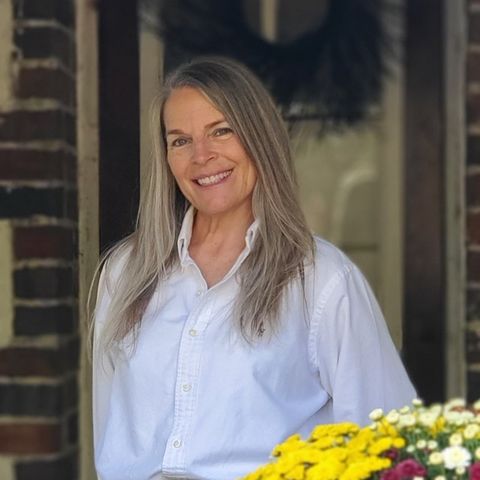
Welcome Tracy Brady back to the show.
Hi Tracy,
Welcome back.
How are you?
I am well Cassie,
It's good to see you.
It's great to see you.
Thank you,
Thank you so much for coming on and chatting with us again today.
One of the things I wanted to talk to you about and it's on my list with many,
Many others is boundaries.
We touched on it in a previous episode and I noticed in the comments on the Facebook page someone was saying I want more on boundaries and I thought fantastic,
Me too.
So let's talk about boundaries.
Oh wow,
Well that's easy.
Yeah that'll be done in two seconds.
You're like oh this will be a short video.
Thank you so much for inviting me back.
I really love,
Love,
Love these discussions because like it's just what I love to do and I think it really helps people you know when people are ready to be helped.
Anyway boundaries is a really important topic and it's a kind of a catch phrase that's been around for a while and I think that first of all one of the misconceptions I think people have about boundaries is that it's some sort of wall and you know when you think of a lot line or something you know your boundary of your home for example or your office space or something like that it's kind of a it's not rigid it's movable you know if you need to change it you can't and so that's something very important I think to remember about setting boundaries for yourself.
And one of the best ways to think about boundaries is in the physical sense because it's the easiest way for us to at least for me I think to identify what it means and so you have physical boundaries,
You have emotional boundaries,
You have external boundaries and internal boundaries and as you alluded to in a private conversation we had you can have boundaries that are different for different situations and different relationships and that all makes sense but all of this boundary setting is based on listening to yourself and identifying what feels right,
What seems right,
What hurts,
What doesn't and that sort of thing.
Yeah and I probably well for me I shouldn't speak for everyone for me I think it's the the family boundaries,
The love relationships and I guess maybe they are all love relationships because even friends you love and you you're always afraid to like I am afraid to set that boundary that someone won't accept it and then like there's that fear thing that comes in and the mind that says oh my god you don't fit in you're not accepted that we are afraid to set the boundary that creates a healthier relationship mostly for yourself and for the other person.
So how do you how do you set the boundaries in a loving because you love that person but you also love yourself.
How do you go about setting a boundary,
Communicating the boundary and then how do you maintain that boundary?
Well I'll start backwards I'll start with the last one you said first and that is maintaining.
So batteries like I said are fluid and should be fluid based on new information.
Right okay so it's important not to get dug in.
We're not digging trenches we're setting boundaries.
We're not burying ourselves and so that we can't get out of that and like you said you know boundaries are for ourselves and for our our relationship but one of the biggest barriers which is why people don't pay a lot of attention to boundaries to setting boundaries until it's too late or until they're in a you know in a quandary about what to do about something in a relationship or a situation that they say oh maybe something isn't right and that's a perfect time to notice when you notice that something's not right you notice that you have a sense or a feeling or even a something hurts you can say I mean there's a reason for that you know I get I'm an analogy crazy junk person and so I think about something like strawberries if if you had never tried strawberries and someone says I think you should try strawberries and you might say you know you check with yourself okay that looks good or it doesn't look good that seems right for me or it doesn't seem right for me say you decide it does seem right for you and to take a bite you have one or two and they taste really good and you think oh I'm gonna have strawberry well what if you break out in a rash you have to set a boundary for yourself based on that experience now if somebody else comes to you and says you know these about these strawberries are from somewhere else and they don't have that highly allergic reaction to for most people try these then you're kind of you're kind of in a place where you have to say risk benefit I might be risking you know your throat could close up I mean like you know my nursing background comes into play in a lot of this stuff which is why I like the physical analogies but you know you come to a place where you have to say what's the benefit what's the risk and so that that's moving that boundary and this is a very simple way of looking at boundaries but I think it can be carried forth in mental you know emotional different types of relationships but the most important thing is to pause and ask yourself what does this feel like what does this look like what will it feel like if I do get another rash am I willing to risk it are the vitamins worth it what are the benefits you know why do I want to please this person is it for me is it for them there's all these all these things that you can do in a in a short span you know it's not like if something is causing if if you're if you're at a juncture where you are asked to make a decision either by yourself or your boss or a friend or a lover or child or wife if a question comes to you about something and it causes you to pause for a moment which almost everything should except for the stuff that just comes naturally and you know is fairly safe and you know if it's something like that you know the habit of going inside and asking yourself picturing yourself doing this thing or not doing this thing picture yourself what what it would feel like in your body what the risks would be for yourself what the benefits might be for yourself the other person and and try to get an overall picture of what this looks like before you make a decision I like that that's a great that's a great one and I'm such a visual learner that I think that's why I love when you use an analogy because it just like immediately clicks in my brain and I can visualize it so it makes perfect sense that would most likely be a powerful way for me to do those steps is that visualize what does this look like and how's it feel and what what am I what am I committed to I guess you know that's commitment is is really an important word you use there when we're talking about boundaries and self-love because commitment to self and commitment to others are very important to us and you mentioned in your introduction the idea of fearing that someone might not accept you or you might lose the relationship or they might not love us or you know that kind of thing and that really plays to our survival self because you know if you know what happens to us if if we get picked off you know if we get outside the group outside of the comfort and safety of the tribe we're at risk we're vulnerable we are we really are but we're not so vulnerable usually that one person getting upset for a minute or two or even a week or two is going to threaten our lives that's usually not the case but it can feel that way it can feel very very threatening one of the things I like to encourage people to do is to ask themselves if I disappoint so-and-so or I disappoint myself you know put put myself in both of those situations you may think that it would be easier to disappoint yourself but if you are on a path of being true to yourself being authentic and that sort of thing then generally if you have to say no to someone else it's not going to it's not going to push someone away who needs to be in your life and who is good for you you know even our children which is a big hot topic for people especially now that we're you know I'll talk about you know couples and that sort of thing but our children first of all you know so many people are so used to having these their children be cared for and and taught outside the home which has been wonderful but it's not left a lot of room for developing healthy boundaries around our children and so unfortunately there has been you know a lot of people having to learn this the hard way and children having to learn it the hard way with the difficulty in controlling emotions and self-regulation and some abuse has occurred and so it's really important for parents to understand that it doesn't mean you don't love your child to take some time yes it's also showing your children you know that they too deserve and have a right to take time for themselves so having the idea of your own space you know not a lot of people you know not everyone has their own room in their home but you can have your own space in your room for your things or maybe you can negotiate with your siblings a time where you each have your own time in your room because other people and other relationships are a bit of a distraction for us to get to pay attention to what's going on inside ourselves and get that imagination going and get to try to think about what's important to me and what does this COVID thing mean to me and what about school and what do I want to draw and you know if somebody else is right there it's a bit of a distraction it's hard for most people to tune that out completely because we do not want to offend usually we do not want to and that's how fights can start and stuff because they're not taking these times for themselves you know it's just really important for parents to encourage that for their children and one of the ways to encourage it is to do it for yourself and that's setting a boundary you know and it doesn't mean that you know say you and I are siblings and we share a room and we negotiate some time where I have you know Monday Wednesday Friday and you have Tuesday Thursday Saturday from 3 to 5 and that's our times in our room well you know if I'm ill or you have a friend over or something that's a boundary that we can negotiate you know and it just is so much you know it feels scary you know it feels like I'm being selfish or something it feels like but the benefit is if you think about it is so much better than the risk because we're going to end up our souls our spirits are going to call out to us and say hey you're eating a bad strawberry I told you you know the first time with that rash that you should be doing that and here you are on the fourth strawberry from the fourth country and the rash is getting worse and worse than last time you were in the hospital for a day or had to have shots or something crazy it's it's like it's almost like we don't know we need to set a boundary until our senses tell us that we do right that makes perfect sense and so when you when you get to that point and you're at at the you've processed it you're realizing that this isn't this doesn't feel good this isn't good for either party how do you go about setting that boundary like with another person well you know suppose would you like to give me a scenario yeah okay let's just go to family because I think most that's probably the most detrimental to not have some healthy boundaries and that's when relationships get kind of weird so how do you set boundaries with family members for not just wanting to be in your business or that unsolicited advice that comes at you because I think that's in every family it's a love thing they care about you so they feel like they know what's best for you and they want to tell you what's best for you and I'm not talking about my family or anything and I'm just curious like what this is for a friend yeah I I'm familiar with that friend because it's me too right I think every family is like that we love and care and I do it too it's unsolicited love in the form of advice and expectations which we talked about and that kind of thing so how do we do it in a healthy way that is a because I think it's a conversation and it's those are difficult conversations to have right I had them before you're not used to having them so how do you start that conversation in a loving from the heart way well I think I think the first thing to do is to ask yourself you know I would ask myself what does this mean to me that this person is will just say habitually providing unsolicited advice on something that they know nothing about really only surface wise and you know if it's somebody that is a family member I'm going to assume that they care about me and like you said they only want what's best for me but they don't necessarily know all the ins and outs that go into that and nor did I ask them for that I have to ask myself first am I providing some sort of unspoken invitation for advice am I going on and on about things am I you know say it's a maybe I'm 30 years old and I'm not married or something so or 35 or 40 or 50 or whatever and I think that I'm supposed to be married okay so I go on and on to my mother or my sister or my friend or you know whoever my neighbor about this stuff because we're friends so we talk about stuff like this well that may be an invitation that I'm not aware of too but why don't you get on eHarmony or why don't you or why do you care about being married that's so old school or you know who knows what they might say and of course I have probably thought about all these things that I'm just venting but at the same time when I hear these things it's hurtful because when we speak it it's it kind of like it's in us and then we get to hear it so that means it really was in us but we don't really want to know what other people think about that because that is coming from their experience you know there's very few people in our lives usually that we can respect to a level that we really value their opinion and know that they have our best interest at heart and that's not always people that are close to us because they have a stake in what we do and what we think of them so you know not wanting to offend and that sort of thing you come to a place where you have to have a conversation and it doesn't necessarily always have to be a long drawn out conversation right it could be a process of building a boundary I was going to say brick but stick by stick you know thin stick by thin stick you know this is a it's kind of like you have to decide is this a firm firm firm boundary that's going to protect me physically you know is someone harming me you know and I have to you know really not even have this person in my life anymore because they actually harm me that's a pretty thick brick boundary right talking about this you know with a conversation and unsolicited advice you you can number one ask yourself is this a person that I really should be venting to about this anymore it obviously triggers them in a way that is hurtful to them and they maybe they really want maybe they're very affected by my emotions and I'm very upset about this and so when I share this stuff with them they get kind of triggered I hate these catch words but they get triggered you know oh gosh I can't have I can't have Tracy upset so I've got to try to fix it yeah because it makes them upset to have me upset or something so you know they may have a vested interest in their own emotions about my emotions I know it's kind of convoluted no but that makes sense because like I was saying in another video my emotions are cry or become defensive so if someone were having that conversation I always just think of like if I were on the other side of this and someone were having that conversation with me I would either become defensive or do that that cry thing in response to that conversation I mean I could see that happening I'm getting it in check but I I know what my reactions tend to be so I get that they would have possibly a reaction yeah okay we're always trying to manage other people's emotions whether even we don't realize it because we don't want to feel guilty we don't want to feel like we have done something to hurt somebody or we want to put them in a position to approve of us or like us or stay in our lives or come for Christmas or put up the dishes or whatever so we're always you know we're always kind of manipulating and controlling without really being consciously aware of that but back to your question you know you can say something depending on this relationship you can say something like you know I know I have really been going on and on about this for a while and I am just kind of done talking about it for now or I'm over it for myself you know I'm over it for now and see if that helps and if it doesn't and if they continue to try to provide solicited advice you can always change the subject you can always you know if you're on the phone or you're talking socially distant you know proper social distance you can always you know have something that you need to go do you know you can step away from that and taking charge of your own emotions and your own responses from people is something that's very empowering we can do it in a kind way most of the time and most people will get it it's not that they will get the idea that you're not liking them or not they'll put the two and two together every time I talk about eHarmony with Cassie or with Tracy she gets weird and goes away and if they value that friendship then they will respect that boundary if it doesn't you know go against their boundary or something like that so it's always that's why it's got to be so fluid you know it's new information new emotions new feelings new facts you know if you're in touch with what's going on with yourself if you can ask yourself how I feel about this is this important to me what is the risk benefit and also notice something doesn't feel right what is that oh I don't like the way they hold my hand and squeeze really hard you know that that may be something somebody does that that's the way they show love or something but in your family you know maybe you know it just didn't it didn't feel right you know you've set a set of boundary that says I'm not going to be hurt anymore that feels hurting to you so yeah you might risk them not wanting to hold your hand anymore but you can do it in a way that says you know for me this is not what feels comfortable for me it's it actually brings up some stuff depending on how close you are and how comfortable you are being vulnerable with this person you can tell how much depth you you know you can share how much depth you want about what's behind this boundary setting but you know we are always in flux and if somebody's just getting started and wants to kind of get a little bit more order in their life and and a little more feel a little more empowered and yeah see what's really true you know I would encourage maybe a values list list what's what's important to me child welfare you know just a political party you know the color blue the ocean clean water whatever just just make some decisions about what really is important to you because that is all individual everybody's got their own not everybody likes oatmeal cookies with raisins you know there's it's different and it's okay to know what those are and once you know what those are for yourself you can make better decisions about what makes you feel right and good and I like that I like that and you and I both have done and do vision boards or a vision journal whatever someone might want to mess with that might even be a great place to to work on that when you're doing that every six months or once a year whenever you might do yours or if you journal like just find this a spot to to really think about that because I have done that before with the values and it is pretty powerful it's enlightening and you can kind of prioritize I don't want to say your life but maybe the direction you're wanting to move forward with everything around you yeah I love that and again I just want to take a quick second to reintroduce Tracy Brady and we are talking about boundaries we're talking about boundaries do you feel like boundaries is it okay to have some unspoken boundaries like those are boundaries for yourself and do all boundaries have to have a verbal hey world this is my boundary and for today and in this moment or is it not super necessary to worry about I just got a visual of you know when when I when I would make a decision about something that was really important like yeah by golly you know it's almost like I have to go around you know with a poster board screaming it you know nobody mess with this you know I'm I'm in charge now and you know it's my boundary like you know it's like and you know it does feel really good when you empower yourself it really does but you've mentioned internal boundaries and and they're all internal boundaries and not all of them have to be spoken nor should they be you know one of the things about you know if you if you ever decide that you're going to quit smoking for example or you're not that you smoke but or you're going to be cussing or you're going to start exercising you know you make this boundary this commitment to yourself or something and then god forbid you tell some people they're going to be on you you know oh you smell like smoke I thought you quit you know I oh my god I wish I had never told you so and that's true some of these things we need to keep inside we need to that's a it's a it's a it's a barrier between us and others that says this is where I where you start and I stop and and certain people you know if you draw your if you like here's a circle around my head and and right here may be where I let some people get but I may keep other people here outside the circle and I make occasionally bring somebody in right here but but it just depends on the level of trust right and so not everything has to be spoken or right now when we talk about emotional mental internal boundaries these are things that I what I think about is something like allowing myself to go to a place of sadness I can go in my life I have gone to the bottom and luckily I'm alive but I am recognized over time that I cannot let myself go to go so far you know I have to bring it back and so I notice when I get sad about so I'm a very intense person and very I feel things strongly I'm very deep and anyway I love that about myself but at the same time I have to almost protect myself from myself and I have to set a boundary about that I have a tendency to you know you're what did you say you do you either cry or get angry defensive okay well that makes sense to me because as soon as I start feeling vulnerable I want to cry or as soon as I start feeling frustrated or angry I go to cry and I'm I'm pretty sure that's just the the coping skill I used when I was growing up but now you know if I'm if I'm having a an intimacy growth period with my partner or with my daughter or my mother or a friend the last thing I want to do is cry all the time right no it's like I kind of you know everybody says be true to yourself well is crying all the time being true to me it's not it's it's allowing myself it's almost like allowing a five-year-old to have all the candy they want yeah you know I have to kind of fetch myself up sharply and have a little bit of of loving parent come in there and say here's where we draw the line for your benefit and for the benefit of your future with these relationships and all that kind of thing so I know that's a that's just one example but if there's something that is really getting somebody you know internally they go to this place a lot if there are a lot of triggers of watching the news has just become you know habitual and and because I know a lot of people that are doing that now and it and it's it's not easy to self-regulate your emotions when it's very triggering with COVID and policy and election and you know the divisiveness that may you may or may not be be aware of in your mind or not see or see but any of these things can be you know anything actually can be a good a good school for your internal teacher and parent to say huh you know how is the class doing today you know maybe we don't need to do too much more on World War II because you know half the kids are crying or you know they're dreaming about blood and guts at night or something I mean I know that's a weird analogy but we have to pay attention to what's going on inside of us in order to self-regulate and manage because like I said the brain's gonna go overthink do crazy stuff remember try to figure out try to defend and sometimes it's overwhelming and you know that's also why it's good to have a list of things that bring you joy and so you can go to one of those just go look you know I'm gonna I'm gonna take a break from all this I'm gonna go do something that brings me joy that's a boundary I like it I like it that just made me think of something I read that somebody basically made that list of things that bring them joy and tore them off put them in a bowl and every time they would sit down to have breakfast they would read one of those and it was either like fun memories just joyful things so anything and everything that brought them joy whether it's memory or something they want to do or a word or a song they threw it in there and they read that and that started their day they would read that as they were having breakfast and I thought what a great thing like just a reminder to be joyful.
You know what you you make me think of something that another boundary I had to set for myself I have a whiteboard and just to give you a little history I can do a graph paper with goals separated by how how they're measured by day by time oh my god I I did that for a couple of years and it was helpful but it got to be a lot of pressure and so recently I put on my whiteboard stop trying oh wow and it's in the back of my mind you know it's kind of simmering down there and you know it doesn't mean stop trying it means stop trying so hard because that I know myself and I can feel I can put the pressure on and I don't like the way that feels all the time you know I had a client who enjoyed swimming and they had a lot of pressure and rushed a lot of things and felt a lot of need to complete tasks in a very kind of hurried way and and was a lot of anxiety and so we worked through all that and decided that maybe for them they could approach their tasks like they approached swimming and with the flow and the arms and just because that was something that they really felt true to themselves in and felt relaxed and so if you have something like that if it's fishing or swimming or baking or bird watching or coloring or whatever it might be if you can approach some of these other issues or tasks in your life with that sense just bring that with you into the you can you can you can spread out your you can increase your enjoyment and decrease your anxiety a little bit those are some of the ways that we can pay attention to our own boundaries for ourselves right I love that fantastic I did want to get into how do we like my kids are grown but for those out there with small children who are possibly just learning to set boundaries so they're not skilled at it they're they're figuring it out but it's important to them to teach their children to set healthy boundaries what steps could someone take to kind of work with children in setting boundaries well the first thing that I like to encourage parents to do is to ask themselves if they are being a good example if they like the way they're setting a boundary setting their own boundaries if they are comfortable and happy and have a process whereby they pay attention to how they feel they check in with themselves they know when their breathing is shallow they know when something feels weird in their gut if they know how to do that they can teach their children how to do that at an age appropriate level of course even small small children can you know you can ask them two or three years old does it hurt in your tummy does it does it feel good when you know doesn't that feel good when you touch a puppy softly you know that's sweet you can reflect back to your children with your words and your energy and your emotion and your facial expressions this is how they learn this is what feels good kindness gentleness it's just mostly about being good examples because children will do what you do not what you say necessarily they emulate we emulate our parents without realizing that we're doing it until we're like oh god I never wanted to do that thing that my parent did and here I am doing it oh my gosh I've become my mother and most the time that's fantastic absolutely we don't have perfect parents they didn't they were taught how to do this by their parents for the most part we're very fortunate we live in a very enlightened and enlightening time right now we can pay attention to these things and increase our or at least minimize our suffering a little bit more right no that's wonderful again this was tracy brady she joined today to talk about boundaries and I think that what I love about when we do talk tracy is that we tend to go in awesome loops and we do talk about a lot of things under one umbrella so thank you so much for sharing your knowledge and continuing to come on and for being my friends I greatly appreciate it and to all of you thank you so much for tuning in listening watching however you're doing your thing stay curious my friend stay curious.