Hi and welcome to Curiosity Junkie.
I'm Curious Cass.
Today's guest is a psychotherapist and former registered nurse who meets her clients at the intersection of spirituality,
Psychology and science.
She has helped many and is a sought after speaker and leader.
She is also a very dear friend of mine.
Today she's joining us to talk about expectations.
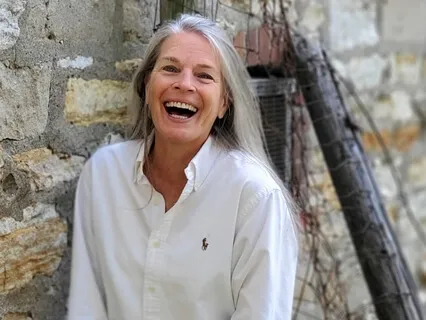
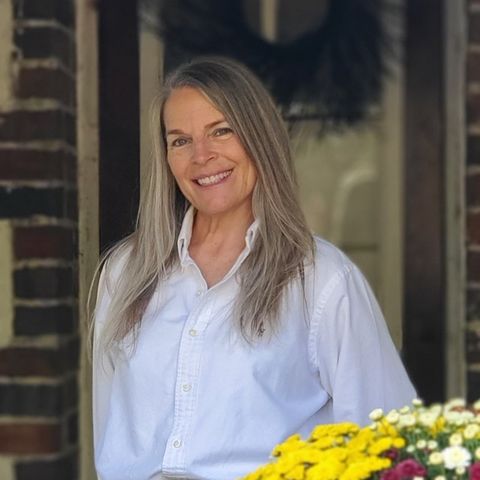
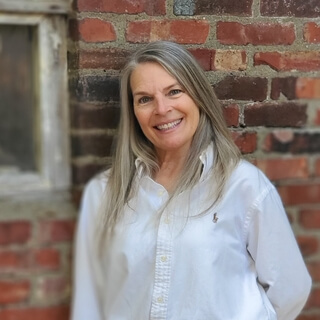
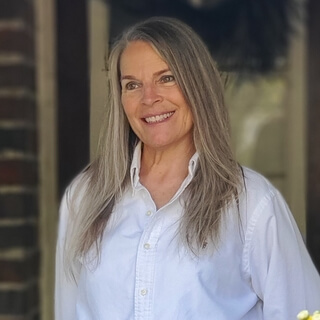
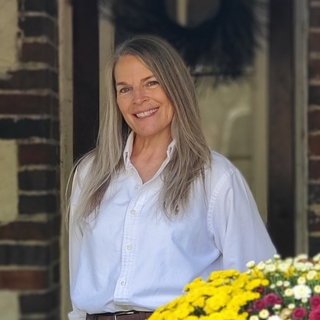
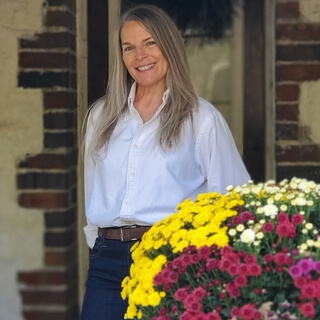
Please welcome Tracy Brady.
Hi Tracy,
Good to have you back.
How are you?
Good,
It's good to see you Cass.
Good.
Well thanks again for popping back on and joining Curiosity Junkie for another exciting dive into self love and all the things that it encompasses.
The other day,
I think it was Glennon Doyle,
I heard talking on Instagram about disappointment and not,
I think she was having a conversation with her daughters and how it's important to disappoint others in order to not disappoint yourself.
And I thought that was really great.
She even said,
Even when it comes to me,
You can disappoint me as long as you don't disappoint yourself.
And I thought,
What a great topic because how many times do we say we want to do this or we're going to do this or we definitely don't want to do that.
And because it's important to someone else,
We do it at the detriment of that commitment to ourselves.
I don't know how you want to jump into it or.
.
.
I think we can.
All right.
She's like,
Yes,
Please.
So disappointing ourselves at the expense,
Taking care of someone else's needs,
For example,
That awareness that we are disappointed and that we have done it to ourselves certainly does breed resentment,
Which can really put a damper on friendships,
Relationships,
And that sort of thing.
So you're right.
It's really not something that we would want to continue to do if we had the opportunity and just the idea that we can be aware of when we are disappointing ourselves and doing something that kind of goes against what we have promised ourselves.
Promising ourselves is a.
.
.
It's almost like you've heard people make vows.
Whenever you make a vow,
I will never do this.
I will never do that.
I will never do this again.
It's usually in response to self-protection.
And that's very important for us.
It's very important because I think as you and I have discussed before,
This primal lower or longer standing human impulse to protect ourselves,
This fight,
Flight,
Or flee,
Is so ingrained.
I mean,
The awareness that we have the ability to do something other than for ourselves is only maybe 10,
000 years old.
Prior to that,
We were all just completely taking care of ourselves,
Constantly protecting ourselves.
So this awareness that we are actually a we and not just an I is fairly new in the evolutionary standpoint.
So it makes sense that we would not be good at that yet.
You know what I mean?
It would make sense that we would have a conflict there.
Now,
When you think about values and what's important to us,
We're usually trying to protect what we see as our personality,
Some part of our self that we want to maintain or avoid presenting as.
The other thing is that we oftentimes will kind of metaphorically carry a gun in not letting other people walk all over us or being used or being.
.
.
That sort of protection is really strong.
And it's good because it protects us from a lot of things.
We can be very vulnerable because we're in this emotional school of what this earth and this lifetime is.
This is a very emotionally poignant time.
Having to navigate and having to be.
.
.
Trying to be able to get along with others,
Honor yourself,
Honor others.
It's really.
.
.
It's very,
Very.
.
.
In its very beginnings,
I believe.
Although you can see it with people moving out away from their comfort zone in protest and risking their lives and that sort of thing.
So when you take it back to say a family member,
Ask for money,
Promise yourself you wouldn't do it again,
Do it again.
What's really going on there?
What is really happening there?
Number one,
The positive side of that is that we're.
.
.
This person is very in tune with their own emotions,
With what makes them feel right and wrong.
And we need to know that we can trust that.
That's one of the hardest things for us is to know when we can trust ourselves and when we can't.
There's a gut awareness for the most part that we can trust.
Now,
It depends all on the circumstances,
What's going on and that sort of thing.
But for the most part,
If we're doing something that someone else could do for themselves,
But they are just not,
That is referred to as enabling.
And it has a negative connotation as far as being able to help somebody else.
It doesn't help someone,
It actually helps someone to stay stuck.
And if we help somebody stay stuck,
In a sense,
We're harming them,
Which goes against every instinct that we have to take care of ourselves and people that we care about.
So at the outset,
It looks like help,
But it's a very short-sighted view.
On the other hand,
I hate to be trite,
But that old saying about teach a man to fish and he can feed himself for a lifetime,
Or if you give him a fish,
He'll eat for a day.
I think it's backwards.
I think I said it backwards.
Right.
I don't even know what you're talking about.
Yes,
That's a great analogy.
It's a great thing,
You know.
And if you think about yourself,
I think we talked about this also,
There are only certain things that we can really do for ourselves.
And if we can,
If you can give something,
Your time,
Your money,
Your opinion,
Your care,
Your whatever it may be,
If you can give it without strings attached.
Then why not?
If it's not going to hurt you,
If it's not going to take anything away from you,
I'll give you a little scenario of an experience that I had years and years ago,
Of a great,
Great friend who was having some financial difficulties.
And as long as I had known her,
She had had financial problems,
But it had come to the place where just there was a job situation and a vehicle situation and I mean just all these things kind of culminated into a financial hardship,
What looked like for just a period of time.
And I had a block of funding that I had set aside for charity,
Wasn't much,
But it was a little.
I decided that I would give it to her with no strings attached.
Well I did.
And about,
I guess that was about three months before Christmas.
And I saw her at Christmas and she had a brand new laptop.
And I realized at the time that she really,
I really didn't help.
I had taken from me,
I had taken from my pile and I had given it to her,
Which is fine,
But I wasn't,
It wasn't achieving what I thought I wanted to achieve,
Which was help her get through that period of time.
And I thought that that wasn't having any strings attached,
But as you can see,
I was,
My eyes bugged out on my head and I was,
I'm sure she could see the resentment and judgment on my face.
I'm sorry,
He's just going up.
So I've been very,
You know,
That's a lesson for me.
And I think that when people,
You know,
When we do these things with good intention,
That when it comes back and we're like,
Why did I do that?
There is a real lesson there.
There's a real gift there for us to know and respect that others have the ability to choose for themselves.
They have the ability to make their own choices.
And I just got into a discussion with someone the other day about,
You know,
People who are maybe not born into a nice home or,
You know,
The ability to have clean water or,
You know,
And what about their choices?
You know,
Their choices are even further limited.
And as I said before,
We can all,
Because there's always people in a better position than we are financially,
Emotionally,
Spiritually,
Relationshipally,
Socially,
Career wise,
And there's always people in a not so advanced,
Haven't gotten to whatever measure we're looking at.
And so if someone would give me a leg up in my business,
In my career,
In my relationship,
Introduce me to someone that could help me,
Or it would be up to me to use that,
You know,
And that would be great.
But if they were just to say,
Here,
Take this position or take this title and slap something on top of me,
I don't,
I don't,
I know that that,
I don't think that would help me because there's,
It doesn't,
It wouldn't allow me to go ahead and go through the mental and emotional processes that I would need to see if that,
What I need to understand in order to embrace that for myself.
Right.
I see that as like,
You know,
Like my sales mind is,
It's the buy-in.
If I just promote someone and give them that,
Just not based on any effort that they put in,
Then there's no real ownership.
They don't,
They don't register it as I worked hard and this got me to this point.
It's the same.
I always think of business and personal.
It's the same thing.
It's just,
This is work and this is personal,
But there are life lessons in,
In work,
Which I always love.
Um,
And,
And that,
That's even happened to me.
Like just got promoted because ultimately there wasn't anyone else and it didn't serve me because I wasn't really ready for that and I wasn't 100% committed to stepping into that.
And so it ultimately,
It was a harder leap because I struggled the whole time.
It really wasn't something I really wanted.
So I think about,
You know,
If you give somebody something,
Is it what they really want?
She wanted that laptop.
So she went out and bought the laptop,
But that's not what you were thinking for her.
Yeah.
I think that goes back to,
Um,
And this is just registering.
I had a conversation with someone and we were talking about expectations.
The expectation thing came up and I think sometimes we put our expectations,
Unspoken expectations on others and now we're switching gears,
But I do think that this is a great,
A great piece.
And then we become disappointed because they didn't live up to what we thought should happen,
Should take place,
Should be said.
Right.
Expectations are,
You know,
And if you have expectations that you're aware of,
Great,
You can monitor that.
You can try to talk yourself in or out of it or around it,
Whatever.
But it's those expectations that we're not aware of until it's too late that,
That,
That causes the most anxiety.
And who are we to decide the evolutionary timeline of someone else's growth and not tell you the timeline of my own growth.
It occurs by trial and error.
You know,
It occurs by this constant kind of,
Kind of like an airplane on autopilot,
You know,
Kind of adjusting,
You know,
I'm kind of always adjusting.
I find myself going like this and I kind of have to,
Whoa,
I feel it.
I sense it.
I,
I'm aware of it.
And so I try to level off a little bit and then maybe I go a little bit too far this way or too far that way.
I get off course and I have to correct,
But I can't tell you ahead of time if there's going to be a cloud or a bird or a wind shear or anything like that.
I don't know.
I can't see into the future like that.
So I have to be,
That's why it's so important,
This,
This idea of mindfulness and heartfulness and present presentness,
Because that is where we have some ability to,
To self correct,
To limit our losses,
To limit our,
But truthfully,
Anytime I've ever had any kind of growth,
It's been when I've been very disappointed.
And it always starts with someone else's fault for not meeting an expectation of mine.
Always starts there.
But if I pursue it,
I find holes in that story because no one is responsible for how this ends for me,
Except me.
So expectations,
Yeah,
That's just a part of life.
And you know,
Expectations in the positive sense give rise to hope.
And so,
You know,
If we don't have hope,
We really don't always want to live or don't want to continue to do a job that might be proving difficult.
So one of the things that I like to do for myself is this,
And teach others to do is to always pay attention to your motives,
Because my motives change.
A motive for getting up in the morning is not the same as it was a month ago,
For getting up in the morning.
And so there are certain things that I have to attend to for my own well being and other people have to do pick their own and we can in no way,
Shape or form know what other people's motives are in that moment,
Or what is driving them.
There's no possible way.
And so if we don't know the whole picture of someone else,
Which is millions and millions of pieces of data,
And emotion and chemicals and history,
And you can't know that for someone else,
Then how can we know what's right for them?
So it,
You know,
This idea that we can stop judging ourselves long enough to possibly allow other people to have that same open,
Loving acceptance of where they are in life.
See,
Most of the time,
I think we're wanting to give so that we're not discomforted.
Somebody that we care about struggling and we want to quiet our discomfort by putting a bandaid on their spurting artery,
You know.
And so that's really a very selfish way to approach it.
Right.
So I'm just thinking of a conversation I had with a young man.
And I wonder if sometimes,
And it was around that expectations,
The anxiety that was coming up for this young man around expectations.
The conversation was more about people disappointing.
But I'm wondering if it was ultimately the expectation he was putting on himself that might have the unspoken even that was causing his anxiety because he kept finding that he was disappointing.
Like I'm seeing how this kind of like cycles back around to that.
There was probably some commitment,
Promise,
Conversation he had had with himself.
It became an expectation,
Maybe unspoken.
And then he's putting these expectations on other people.
And then it's causing him to because they disappoint.
It's causing him to disappoint himself,
Which is creating anxiety,
And then ultimately some anger.
How,
What could someone do to kind of remind,
And this I think where it goes back to the being kind to yourself maybe.
Right,
This non-judgmental self-acceptance,
Right.
Because we are not going to approach everything in a way that makes us feel peaceful all the time.
It just doesn't lead to any kind of growth.
And so this is a school of growth.
And so if someone is having anxiety,
The first thing I would expect,
Hope,
Wish for them is that they could take that top layer of judgment off of there.
Because if you've spilled a glass of milk on the floor in the kitchen,
And you've got glass of milk everywhere,
You've made a mess,
And you've had an accident,
And you've not been your best.
And you've already got consequences,
Or you've got to take responsibility and not let somebody get cut,
Or keep the dog out,
Or whatever you have to do.
But on top of that,
What we do is we judge ourselves for being human,
For making mistakes,
For having expectations,
For not being able to forgive others.
This young man that you mentioned may be having some conflict with somebody that he cares very much for,
And may not be able to accept their actions or life path or something like that.
He may not be able to accept his own ability or inability to change that.
And so judging himself for that,
It sounds like very harshly.
It's this constant circle of,
It's their fault,
It's their fault,
Their fault.
Oh no,
It can't be all their fault.
It must be my fault,
My fault.
I did something wrong.
Oh no,
I didn't do that.
They did,
They did.
It's just this constant blaming and judging of self and others that keeps us in this completely closed hearted,
Ego centered place.
And I don't mean that in a negative way,
But it keeps us from healing.
It keeps us from healing.
So this branching out or this opening up of your heart and allowing yourself to lessen that judgment of yourself.
See how Tara Brock,
I love to talk about her,
Calls it,
Seeing how your leg is caught in a trap.
Seeing how you have trapped yourself by your own expectations of yourself and how difficult that is to live inside yourself with that.
When you do that,
You can see how it naturally,
How we naturally want to go and blame other people for it.
Right,
Yes.
Because only if you,
Cassie,
Would change,
Then I wouldn't have to face this powerlessness that I sense about changing other people,
About increasing my ability to be superhuman.
I want to be superhuman.
I want,
You know,
My ego tells me that I really can change others.
That if only I manipulate well enough and control well enough and smile enough or do whatever I need to do,
That they will see their way clear,
You know,
Or explain in a certain way.
I don't think that works.
And so the respect that we have for ourselves inside,
When we recognize that we've got some pain,
Some anxiety,
Some anger,
Something that is some emotional turmoil that's going on in there,
Turning inward rather than outward.
Going inward and saying,
What's going on here?
How am I judging myself?
How am I judging myself?
Do I need to put my hand on my heart and give myself some tender presence?
Because that's where the healing is for us.
And then and only then do we have that natural compassion and acceptance of what others are doing and how they're behaving and how we can have compassion for their pain.
And that's where their healing can possibly ignite.
But it has to start with us because until we are able to know what it feels like to judge ourselves and comfort ourselves and know that we can be there for ourselves.
We're constantly trying to be there for others,
But we're just giving them fish,
You know.
And when we say,
Oh,
I feel uncomfortable,
I don't want to sit with myself and be present and ask myself,
You know,
To release myself from the bondage of the judgment that I'm holding of myself.
When we do that,
It's great.
And it can cause lots and lots of healing to occur.
But when we don't want to do that,
Oh,
It's not that big a deal.
I don't really care.
I'll get over it.
Oh,
I'm too busy.
We abandon ourselves.
And in a sense,
We abandon others.
Because that's where we can help other people.
So if some,
Okay,
So example,
This young man,
If in the moments when he's starting to feel that anxiety build,
Or the anger,
You know,
The anxiety turns into a frustration,
Which becomes anger,
How does he then begin the process of,
Or we,
I shouldn't just single him out.
How do we then,
Because I do it too,
Begin that process of getting back to,
Because you can't just go,
I'm angry.
Okay,
Everything's all right.
How do we take the steps to get us to that next place that starts the calming down?
Like what,
What can we do to slow that once you start to recognize it?
That's the first part.
I do understand that.
Realizing that that feeling is coming up wherever it starts,
Your throat,
Your heart,
Your gut,
Wherever that starts,
When you feel it,
Start beginning to recognize it.
And then what steps,
What can we do to start slowing it down and reversing and having the conversation with ourselves?
That's a really good question,
Cass,
Because before it gets to that point,
You want to,
You don't want those consequences.
You don't want to have to go back and apologize.
You don't want to have to clean up the mess that that explosion,
You know,
That that's going to go somewhere if you don't,
If you don't attend to it.
And you're right.
Recognition is the first step,
But it's very simple,
Very,
Very simple.
You stop what you're doing as if you,
As if you had a small child that you cared about very much.
And this child,
You know,
You noticed a forlorn,
You know,
Facial expression that this child is in some sort of emotional pain and you want to attend to that.
And so you go inside and you just stop and you sit down and you say,
You're hurting,
You're hurting.
You can name it.
You're,
You're feeling sad.
You're feeling disappointment.
You're frustrated about the way life is going right now.
And this is hard for you.
And this is,
This is not easy.
And I know that.
And I'm here for you.
And just put your hand on your heart and just say,
I am here for you.
And I'm sorry that you're hurting.
Just having someone be present for us,
Especially if it's ourself,
Because if we start that habit,
We're going to know that that person is going to be there all the time.
We're not going to have to wait for someone else to come around and do that.
Correct.
And that is powerful.
It's so powerful.
And it sounds so trite.
And I mean,
People want very complicated fixes because they want to be able to say,
Oh,
I see how this works.
And you know,
They want to take classes that take years of lots of money,
But it's very simple.
Attending to ourself.
I mean,
If you do it a few times,
You will see how we just needed some care and love.
We just needed somebody and something to recognize our pain and to say,
Yes,
It's hard.
And when my son was 13,
He died from a brain injury.
And after he died,
I went to get my hair cut.
Maybe a month later.
And she knew what had happened.
She said,
You know,
She said,
After what's happened to you or in your life,
She said,
You have every right to be sad.
And I had kind of wanted to move forward.
I had kind of not wanted to dwell on that anymore.
I was ready to stop thinking about it and stop being sad.
But when she said,
After that happened to you,
You really,
Well,
You have a right to feel sad.
I just bawled.
It was somebody who was recognizing my pain and that I had a right to feel the way I had felt because I was putting judgment on myself for that.
You know,
I was adding that other layer of,
You know,
You're not spiritual,
You don't believe,
You're not okay if you still need to cry,
Or if you still have pain about this.
And so just,
She was like,
What?
But I was,
I mean,
It was 2003.
So I mean,
That was a very strong moment in my life because I mean,
There it is 2020.
And I really remember that moment.
And so it's,
It's that kind of thing where we do that for ourselves,
We say,
Look,
This is hard.
And that would be the next step.
So first recognizing,
You know,
You have to be in tune with your body,
You have to be kind of present to how am I feeling and the way you get there is every time you remember,
Ask yourself,
What do I need right now?
Am I thirsty?
Am I hungry?
Am I tired?
Do I need rest?
Would art be good right now?
Imagine yourself doing something you like creatively.
Would physical be good right now?
Imagine yourself out for a run or a hike or something.
Just kind of run through these things.
It doesn't take more than usually a minute.
Ask yourself what you need.
And then honor that.
Honor that.
Love that.
Fantastic.
And it's so simple.
And again,
It comes back to us and that we can do that for ourselves.
And we don't have to get that from someone else.
It's all right here.
You just have to take the time to do it.
And thank you for that.
Those were fantastic steps.
And I hope that some of you got to write them down and take the time to really let that sink in because I do think that we tend to think,
Like you said,
I need a seven step program from wherever and I need to spend six months doing this.
And when it's really very simple and it is inside.
And it does start with that.
Making sure you say,
I love you.
I think we talked about this one of the previous episodes.
I was listening to Sarah Blondin the other day.
And as you were talking and the steps,
It made me think of the conversation.
She was saying that in the beginning,
When she first started into the meditating and finding out that it really does start with me.
She said she was in a meditation thing and they were just saying,
Just repeat,
I love you,
Put your hand on your heart and just continue to say,
I love you until you feel it.
And she was like,
This is so stupid.
And she said within,
Like,
You know,
I'm sitting there like,
I love you.
I love you.
I love you.
And she said,
All of a sudden I just started bawling and I don't even know where it came from.
And this just started pouring out of me.
As she said,
In that moment,
I got it.
Like it's me.
I have to love me.
And I was just like,
Wow,
That was super powerful.
We have a source of infinite wisdom and light for ourselves,
Not necessarily for other people.
Have you ever had somebody,
You know,
You're sick or something and they come over and they come and clean your kitchen or something?
Well,
That might cause you more angst than anything.
You know,
You might just want to feel quiet,
But they think that's exactly what you need because it's dirty.
I don't know what to do for you,
So I'm going to clean your kitchen.
We cannot know what another person needs,
But we can more help them discover what they need and then help them achieve that if we've done it for ourselves.
And we are so incredibly,
There's no word,
There are no words to describe the power that we hold inside ourselves.
We are light.
We are pure light.
And this evolutionary movement of our soul in the now and the mistakes and the ugliness that it appears does not diminish our light in any way.
It actually calls us to open and brighten and embrace all of our experiences,
Especially the ones that annoy us the most.
Those are our greatest gifts.
And I mean,
I can tell you that from my own experience,
You know,
Wanting to push away the awfulness is so natural because,
You know,
If you think about how long it's been since the beginning of whenever we started this lifetime or,
You know,
Our evolutionary lifetime is to push away fear and push away things that are threatening.
But having a look at them and realizing that they're coming from within,
And I cannot control some of these circumstances that are happening,
For example,
Right now,
The pandemic and that sort of thing.
I have no ability to control any of that,
But I do have some capacity to control in each moment how I respond to my own emotions.
And that's huge.
Yeah.
If we can all really own that.
And that is hard.
Like for me,
I know my two,
I don't know what they are,
Responses are usually become defensive or cry.
Like those are the two emotions that just come up.
Like I'm not one of those people who gets like crazy angry or I just,
I feel it coming and I'm like,
Oh my God,
Here it comes.
I can't stop it.
And I cry.
Or I become defensive.
And so I am becoming,
And I have been,
I'm aware of it more and more and it gets easier,
But it doesn't just happen overnight either.
I guess is the point I'm trying to make is that even once you start to recognize and see what it is that's coming up,
It still takes a while to take the steps and work through the process.
It's a continued effort in a good way.
Not like it's a chore and it takes a commitment and you're going to fail and that's okay.
Right?
Well,
You're talking about easing our own suffering.
And as long as we are humans,
As long as we have this human side to us,
There is going to be suffering.
Physical,
Emotional.
We're not going to stop living just because we find our inner light and learn to nurture it and care for ourselves.
So yeah,
Please,
This is not a goal.
This is not a we're going to get to a certain level of awareness or spirituality or whatever people throw these terms around.
This is all we're talking about here is tapping into what already exists and trusting it rather than externalizing,
Blaming and staying stuck.
The suffering that we experience is natural and acceptance of that eases it and being present for it,
Not judgmentally,
As you would for that small child.
You want to be present.
You want to investigate and understand what may be causing it and you want to nurture it.
You want to nurture that part of you that suffers and in doing so,
You can move through it.
Not avert it,
Go around it,
Blast it away,
But rather move through it.
And when we do that,
We can help others with their suffering by being present,
Not judgmental.
Right.
I love that.
I love that.
I think that is a good place to stop.
I do want to spend some time chatting with you in the next few episodes around fear.
I hope that you will come back and chat with us again.
Maybe time.
All right.
Fantastic.
Well,
That is going to be a wrap for today.
Thank you all so much for tuning in,
Listening,
Watching,
And we will see you again next week.