Hi,
I'm Curious Cass and this is Curiosity Junkie.
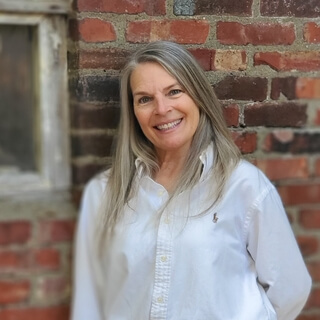
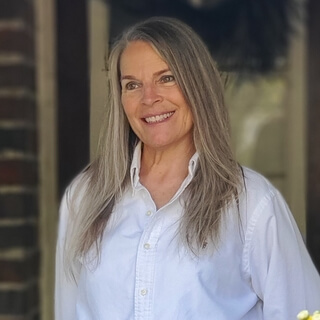
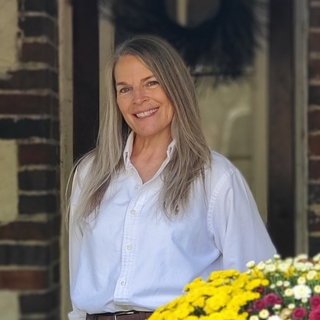
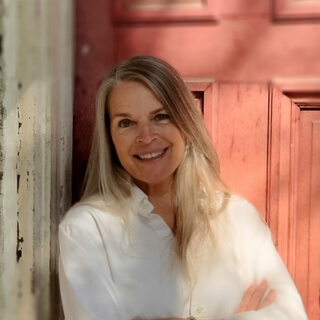
Today's guest is a sought after speaker and leader.
She is a psychotherapist who meets her clients at the intersection of spirituality,
Psychology and science.
She's also a very dear friend of mine.
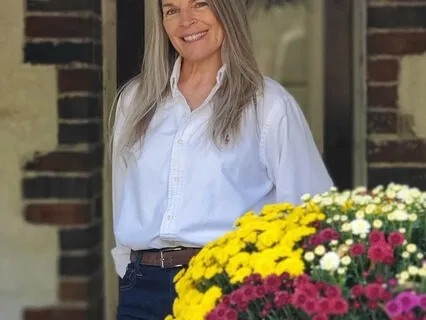
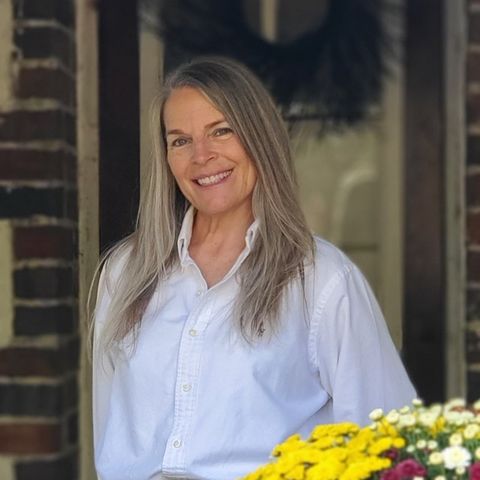
Please welcome Tracy Brady.
I wanted to have you on today to talk about something that popped up in a conversation I was having with a young woman and it's kind of around that self love,
Self care topic and how we tend to put everything in front of ourselves and kind of forget to take care of and pay attention to what we need.
So I was having this conversation and she said that she felt the pressure to always keep others in front of herself,
Even though she knew it was affecting her mental health,
Her state of mind,
Her happiness.
And I know for years I pretty much did the same thing.
She just,
Societal pressures make you feel like you as a woman are the caregiver,
The nurturer and that you're supposed to do that for everyone else.
So I just kind of wanted to visit with you a little bit about like,
How do we show love to ourselves through self care without feeling guilty?
Wow.
You know,
I don't think your friend is alone in this.
And just the fact that someone feels guilty about something is an indicator that something's amiss.
There's,
There's some sort of contradiction occurring.
And that sounds like an awareness is coming forth from inside that says,
Hey,
What about me?
And then,
And then when you talk about the guilt,
Like you,
Like you mentioned society or our conditioning or societal conditioning certainly does contribute to the pressures of not only women,
Men as well feel this as well as children even start early to learn or be conditioned to neglect themselves.
We are not most of us brought up to think that we are supposed to,
Or even should take care of ourselves aside from the traditional tie your own shoes and feed yourself and get a job and get a degree.
And you know,
If you're,
If you're blessed enough to be in a place in life or born in a place where you could even have those things.
If you look at much of the media and for my era and yours probably too,
It's been TV and radio not so much internet,
But certainly internet now I'm in social media.
What you have seen has been women who are encouraged to take care of themselves after a long day at work or after the children have gone to bed.
Then you can have a nice bath with XYZ bath salts or you know men,
You know,
You could have,
Have a nice steak on the grill for yourself after you have mowed the grass after the dogs have been walked and the neighbors have been catered to and the,
You know,
It's,
It's a constant barrage of information,
Encouragement actually,
That takes us out of ourselves and into others,
Which plays upon our natural animalistic instinctual fears of being left out.
And if we aren't good enough that we,
If we don't perform,
If we aren't accepted by our peers or our pack,
That we could be left.
And that's one of the worst things a person can feel is to feel left out alone,
Abandoned.
And so part of,
You know,
As you can see a lot of things go into this and it's a,
It's no wonder that it's a struggle for people to overcome that because it's not going to be encouraged externally usually.
It's just not.
How do we,
And I love the,
You brought up the fear piece,
The fear of being left out and of causes us to do things that create the lack of self care or the lack of self love because I,
I truly think that all of this stems back to the self love piece.
And I heard something the other day that the gal was saying,
We should be teaching self love to our children.
We don't teach that and I think,
Oh,
Can I go back and figure out how to start teaching that to the next generation?
Because it is so important that we know how to love ourselves.
Yeah,
Teaching,
Teaching it would be wonderful,
But first we have to learn.
Yes,
Absolutely.
And we have to have an agreement within ourselves that it's the right thing to do,
Which is very difficult when it pulls at your heartstrings.
You know,
You,
You see an animal that's in need or you see a child that's being abused or you see a person who is in less happy circumstances or beneficial circumstances as yourself and you want,
You want to do something that's a natural instinct,
Care for each other.
Even small,
Small children,
Even almost infants have this natural ability to comfort each other.
They've done studies.
That's also something that we're up against is this pull to nurture and care.
The thing about it is there are certain things that we have to do for ourselves.
If you,
If you consider the physical body,
For example,
You can put,
If someone refuses to eat or cannot eat for whatever reason,
You can put a tube in them and you can feed them,
Right?
You can,
You can give that to them.
You can do that for them.
But in order for them to get any nourishment from that food or substance,
They have to digest and assimilate that themselves.
You cannot do that for them.
And so if we realize that there are certain things that we must do for ourselves,
Physically,
Emotionally,
Spiritually,
Or our soul,
Then you can understand how no matter what someone does for us,
There's a certain level of responsibility that we have to do to continue that and to do it for ourselves.
Many,
Many,
Many,
Many times we run up against this contradiction of someone needs my help and I can't stand the idea of not providing that.
When you get to that place,
Let me ask you,
Cassie,
How would it feel for someone to give you something that they themselves needed,
Whether it's money,
Food,
Time,
If they were taking away from something that they really needed and they say,
Here,
Let me give this to you,
Would that feel like,
How would that feel to you?
I would want them to take care of themselves first,
Because that's a powerful gift.
However,
They're taking away from what they need.
Right.
If in fact we are to help each other,
You know,
You've heard the old saying,
We can't pour from an empty cup.
We are perpetuating needy,
Irresponsible people by basically putting band-aids,
Taking a band-aid off of myself and putting it on you,
And then my artery is spurting.
How is that beneficial?
Now we need to provide people a leg up,
Not one of our legs.
Exactly.
Yes.
That's a great way to put it and what a good visual.
Yeah.
You don't need to cut your own leg off to help somebody else.
No,
It's not a foreign concept for us,
Really,
When we get started in taking care of ourselves that it starts to feel less foreign.
It starts to feel right.
And so I would encourage people and your friend just to start,
Just to make a beginning.
Think of the things that you do already to take care of yourself.
You get out of bed and you brush your teeth.
You might actually do things during the day that you don't realize how beneficial they are to yourself.
And if you can intentionally maybe make a list of those things and then thank yourself for that,
Just because we grow tall and get long hair or our hair changes or our voice changes and we get wrinkles does not mean that we aren't still those precious children that need encouragement and love.
Somehow we've got to be examples for others,
Our children,
Especially our adult children,
That it's okay to take care of yourself.
And it's not just okay.
It's the responsible thing to do.
It is the responsible thing because if I take care of myself,
Say financially,
If I take in and have and I'm able and blessed enough to where I can save some for a rainy day,
Then I can possibly help others.
Then I can donate.
But if I'm donating or sharing finances,
When I haven't paid my bills or I don't have enough for a rainy day,
I'm not going to sleep well.
It's going to affect every part of me.
And I think there's probably going to be some pushback to that.
But that is the same emotionally.
I have some friends who are really good listeners and they actually love to listen to other people bent.
They love it.
And what I found when they're talking to me about this,
These are friends,
Not clients,
That they are avoiding doing something in their own lives.
And they're also finding and seeking out people who have worse problems so that they can listen to them and it makes them feel better about ignoring their problems.
Ah,
Yes.
I can totally see that.
That's just one example of how we distract ourselves in a good way,
And we call it an honorable way,
Of taking away something that we really,
Really need,
Which is our own attention.
When we abandon ourselves,
Cassie,
It shows up in all sorts of ways where we try to compensate for that abandonment,
Addictions,
Distractions that are harmful.
We're not comfortable as a society,
Or most people are not comfortable with going inward and attending to our inner selves.
But they're running away from ourselves,
Which I think is how we abandon our self-care and self-love,
Perpetuates the society of people who are codependent.
We've got a whole society built on codependency.
It starts with one person taking care of themselves and,
Yeah,
You're going to have some guilt,
You're going to have some feelings of guilt or thoughts of guilt,
But does that let us off the hook?
If I don't take care of myself,
Somebody's going to have to.
Somebody's going to have to emotionally,
Physically,
Financially.
I'm not perfect at it by any stretch,
But my adult daughter will come over here and say,
Mom,
Get rid of that shit.
I don't want to have to deal with your shit.
You know,
That's my own mom.
Yes.
Okay.
So you brought up two words that kind of resonated with me or one word and the other one just popped into my mind is the turning inward and how difficult that is.
And I think a lot of it is,
It's just so unknown.
People don't,
It's not talked about.
We don't talk about going inward and identifying the feelings in a moment and working through why that feeling is coming up.
We just,
No one talks about that.
So I'd love to spend a little bit of time about turning inward,
Maybe some thoughts on how to,
What to look for,
What can we do when we turn inward?
And the other one is boundaries.
I want to throw it out so I don't forget.
Okay.
Boundaries is a whole another 12 episodes,
But I'll just say,
Okay,
We'll do that as another show.
Absolutely.
Briefly about boundaries.
People see them as a,
As a blockade to their inner workings and their most individual unique gifts and that's not what they are.
Boundaries are the principle behind boundaries.
It's just like a property boundary.
It's movable.
It's,
It's,
It's,
It's transparent and it's not for somebody else to respect me.
It's for me to decide what's important to me and I get to change that only if I want to and there's going to,
There's going to be some hard lessons there.
They're going to,
You know,
You might say,
I moved this boundary thinking that it was okay and,
And you learned a lesson from that.
Well,
That's okay.
That's what boundaries are about.
It's about knowing where I stop and you start.
Yes.
And that's so important to know and own.
I think that's another thing we're not really taught.
I didn't grow up with boundaries.
It was just,
You know,
Everybody's all in everything and it's not healthy.
And so that's been a tough thing to learn as an adult.
Like in my fifties I'm learning to set boundaries.
Hey,
I'm learning to set them.
Girl,
You're way ahead of most of us.
Good for you.
Easy because you have to confront all of your old ideas when you do that.
And you have to confront those things about,
Are people going to love me?
Are they going to stop talking to me?
Are they going to,
And most times people are shocked when you decide,
Hey,
I'm not accepting this anymore.
And if you want to be,
If you want to have a conversation,
We're going to do it without that.
I remember when I set some boundaries with my daughter a few years back and she came over and she said,
You know,
I just don't like the new you.
I just don't think I like you.
You're being very,
Very selfish.
And I don't think I like it.
And I said,
I understand that.
But this is important to me.
And it was that she,
She had had full reign coming into my home and she would come in and run back to the bedroom and the bathroom and get out all my stuff and do,
You know,
Lounge around all the bed,
You know,
Do all these things.
And I really didn't want her to feel like I didn't respect her and love her enough to share everything I have with her.
But at the same time,
I needed to know that some of these things were important enough to me that I would protect them.
So that's what I had to do.
And I had to say,
When you go,
When you come in,
It's gonna,
I don't want you to do that.
And what that did for me was tell me that I could trust myself to show up for myself on something small.
Because when I just say,
Oh,
It's okay,
It doesn't matter.
It's all good.
That's an indicator right there that I need to pay attention.
Something's not good.
Something inside me needs attention.
And I'm abandoning myself,
Possibly.
It doesn't mean it's always the case.
So boundaries.
And the other thing you said was,
Was it going inward?
And how do we,
How do we do that?
Or how do we even begin that?
How do we know we need to go inward?
You know,
I'm a big proponent of mindfulness.
I think everybody should do at least 10 minutes of mindful.
I'm not even going to use the meditation word because that,
But if you can just sit quietly for 10 minutes a day and maybe shut your eyes and turn off every audible sound you can control,
That will at least introduce you to your inner self.
I'm still not comfortable with my inner self because it is so different from the outer self.
But there is something so intriguing and so beautiful about this separate world that I can't stay away for long.
It becomes a draw.
It becomes something that draws me and it's almost like food,
I have to have it or when you're thirsty,
You really know that you have it.
And even if you don't do that,
Even if somebody doesn't want to do the 10 minute quiet thing a day,
What you can do is pay attention to little things like,
Am I rushing about?
Am I rushing?
Think about,
Would you rush someone you cared about?
No.
I remember a few years back,
I was very conscientious of trying to take care of myself because I realized nobody else was going to do it.
Other people fail at that.
We max them out.
We really do.
We take and take and take and then they can't give any more.
And then we're like,
Hey,
You were providing me this emotional,
Physical,
Financial support and where the hell did you go?
And it's something about me.
I know.
I know.
And actually it's our inner self saying that to our self.
What about me?
I decided I would try it and it's so uncomfortable.
So I was standing at my counter writing something.
The TV was on,
A little bit too loud.
My back was hurting because I'd been up all day and I was standing there writing something on the counter,
Paying a bill or something,
Stressing out,
Thinking about something.
And I noticed that there was a bar stool right next to me.
Now this is my own home.
And the TV was annoying.
You know,
I couldn't hear myself.
So those little cues are important to pay attention to.
Our physical body is a very good barometer of what's going on inside.
So I said,
Hey,
Here's a good time to do this.
What would you do for somebody that you loved?
If your daughter or your partner or your mother or somebody you really care about,
Your best friend was standing there and during the TV,
I would go shut it off for them,
Which I did.
Then I offered myself a chair.
Would you like to sit down?
The whole time,
Cassie,
I was thinking,
This is a waste of time.
That's what the brain was saying,
Right?
Because the conditioning is very strong.
You know,
Joe Dispenza talks about this.
You have to do things that are ahead of this thinking or in spite of the thinking.
So pay attention to your physical.
Watch yourself,
Watch your speed of thought,
Your speed of speech,
Your body.
You know,
Am I sitting the way I really want to appear for myself,
My self-worth and my physical comfort?
Do I need to straighten up?
You know,
Are my legs crossed and they don't feel that good.
I think I'll uncross them.
You know,
Grounding is a tool that people use all the time for high anxiety,
But you don't have to wait till you're in a high anxiety state to attend to yourself.
Right.
And I'll tell you,
The more we do that,
The more we have for other people and the better examples will be for those that we care about to take care of themselves.
It's okay to take care of yourself.
And in fact,
It's our responsibility.
It's not,
It's irresponsible to ask others to do for us what we can do for ourselves.
Right.
Yes.
And I love that the thought of caring for yourself,
Like you would care for another individual,
Just you would get up and say,
Hey,
That TV's a little loud.
Let me turn that off so you can think.
And why don't you have a seat and relax?
We don't do that.
Like you said,
The brain is telling us,
Keep going,
Push forward.
That's ridiculous.
That doesn't work.
You have to stop and take a minute to just show yourself a little love and care.
Yeah.
You know,
When you're a little girl,
The message that you get when you have a need is,
It's okay,
Doesn't matter.
That's not important.
And that's not because our caregivers don't think we're important.
It's just,
They don't know how to care for their own needs.
So they encourage us to distract in ways that they have seen helps food,
TV,
Play a game.
You know,
You're,
You're sad because you didn't get to go to a party that your friend had.
Oh,
Let me distract you from that feeling because I don't know how to deal with it myself.
Well,
I'm doing that because I'm like,
I've done that my whole life.
And it's funny because I see it in my own kids.
You see that you've taught them to distract,
Ignore that,
Keep moving forward.
This will pass.
Like,
Just ignore it,
Push it down.
I'm like,
Ah,
Yeah,
That's interesting.
It's a great topic.
Really great and much needed.
I think it completely permeates the social fabric of today.
Let me take care of you and neglect me.
When we pour from a full cup,
We've got enough leftover.
But when we pour from a low or empty cup,
It doesn't help anybody.
And you know,
One of the motivators I've found,
Since we are so motivated to love others and to alleviate suffering in others,
Is to remember that when I am alleviating my own suffering,
I have a personal experience that I can then share with others.
And that's true compassion and true empathy,
As opposed to let me alleviate your suffering so that I don't have to see it.
Yes,
Love that.
So what would we leave someone with today,
Advice wise?
You've heard of mindful eating,
Which,
You know,
Not everybody's got an hour and a half to eat their cereal in the morning.
But you don't have to have that.
You don't have to take that much time.
You can just be grateful for the fact that you can chew,
That you can taste,
That you can see the colors of the berries.
This is a person,
This is a body,
This is an entity that is serving my soul.
This is this is a house for my spirit.
When I abandon my spirit or abandon my house,
This is a set of chemicals here running up and down right here.
When,
When my thinking or my intention goes to the past,
Or the future,
I have abandoned the present.
And what's going to happen is there's going to be a surge of chemicals.
Because there is nothing there is no thinking or or spirit present to protect my house.
But I abandon it.
So being present in my body,
When you notice that your thoughts have gone away from the present moment,
Bring them back and say,
I'm here for you.
And I'm not going to desert you when I get distracted.
I'll come back.
Because you're important to me.
You know,
One of the things that I did a few years back was I looked in the mirror in the bathroom in my eyes.
And I said,
I am so sorry.
I have not been here for you.
And I'm going to do my best to be here for you.
Weird,
Felt weird,
But felt right.
Right and in no manner did it did the consequences of that hurt anybody I know.
It actually made me much more present to my own fears,
My own suffering,
So that I could get through that and nurture myself through that.
It helps me understand when others are feeling a certain way so that I can say I've been there.
Here's where we go with this.
Being present for our own suffering and our own joys and acknowledging those goes a long way in helping others.
I like that.
That and it's much more difficult than it sounds being present.
It's not easy,
But it's like it's like it's like lifting weights.
It's kind of like a muscle.
You know,
You don't see the change,
But in a few weeks,
You're like,
Oh,
That was a little bit easier.
And sometimes it's not easy.
Sometimes our brain is a little more active.
Sometimes it's a little more difficult to accept some of the thinking.
And at some point,
If you'd like to talk about how how accepting our thoughts versus pushing them away,
What what happens there?
That's that's a whole other deal.
But there's so many things to talk about.
I love it.
I know it's my thing.
So I'm so glad that you want to hear it because my friends and family are to hear with it.
So I love that.
I love that.
No,
There's so many things and levels to the self love and peace that I mean,
Trust goes in there.
Depending on yourself,
There's just layers and layers.
And I'm completely consumed with really wanting to understand that.
And I don't want to say be better at it,
But learn to embrace the whole thing.
That's why I love that I have you as a friend and that you'll come on and help me as much as other.
I'm thinking if I'm thinking about these things,
I'm curious.
There's got to be a ton of other people who are just as curious and have no one to turn to.
I mean,
You can go to books and stuff,
But without someone to talk it through or to listen to someone else's experience,
I think it's really hard to absorb all that there is with self love.
We all need people to encourage us and be examples and guide us.
And I by no means a professional self lover,
But I do 100,
000% know in my heart of hearts that that is one of the ways focusing and turning toward not abandoning our own self.
That is the way we can heal the world because we can't go out and heal the world and totally heal ourselves.
I mean,
You can help,
But you cannot neglect yourself.
You can't neglect while you're helping others.
You cannot neglect yourself or you're going to burn out.
Right.
And then you're no help to yourself or to the world.
You're filling up your own cup.
I think that's the key is we,
Like you said,
We're responsible for loving ourselves,
For taking care of ourselves.
It's not someone else's responsibility.
It is 100% hours.
And the other thing I loved that you said was how would you treat someone else knowing they were feeling the emotion you're feeling right now?
Anger,
Frustration,
Sadness,
Depression,
Happiness.
How would you treat another human being?
That's how you should treat yourself.
I love that.
It's a great one.
So thank you,
Tracy.
I appreciate you being here and continuing to support and teach the rest of us.
Good to be here,
Cassie.
All right,
Everybody.
Thank you so much for tuning in and we look forward to chatting with all of you.