Hello and welcome to the Back to Being podcast,
Where I speak with experts,
Practitioners and everyday people about living a more healthy,
Active and mindful life.
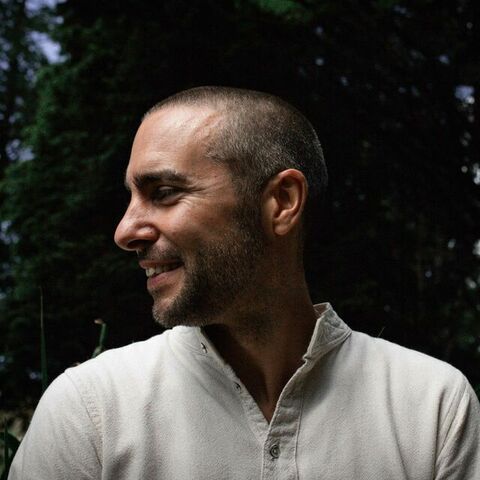
My name is Kareem Rushdie,
And I've spent over a decade learning to transform my own chronic pain and stress,
So I can lead a life worth living.
Now I'm using what I've learned along the way,
As well as the knowledge and experience of my guests,
To share unique perspectives that can help you do the same.
Thank you for tuning in today.
In this episode,
I'm speaking with London based mindfulness guide,
Writer,
Researcher and photographer Menka Sanghvi.
Menka is the founder of Just Looking,
A creative project to spread curiosity and wonder.
She's also the producer and host of the Mind Over Tech podcast,
And the author of the highly acclaimed Fieldbook for Mindfulness Innovators.
I got to know Menka because she serves alongside me as a trustee for the Breathworks charity,
And she's also an advisor for several other wellbeing projects.
Her background is multidisciplinary and incredibly impressive,
With a degree in physics from Cambridge University,
Extensive training in design thinking with IDEO and others,
And a lifelong study of contemplative practices.
Previously,
Menka led global innovation projects for the United Nations.
Menka and I talk about her mindfulness journey,
How we can start untangling ourselves from what she terms intellectual tech,
And how these technologies can either enable or undermine our wellbeing.
One final thing before we get going,
The professor and researcher into attention,
Working memory and mindfulness,
Whose name neither of us could remember,
Is Amishi Jha,
Perhaps a future guest on the pod.
Without further delay,
Here's my conversation with Menka Sanghvi.
Enjoy.
So Menka,
Thank you so much for sharing your time with me today.
I'm really excited about having you here.
You're welcome.
Yeah,
It's great to be here.
Nice to speak to you again.
A couple of times in the past week,
So it feels.
.
.
Yeah,
We just spoke yesterday about different matters,
As Menka and I both serve as trustees with Breathworks,
Which is a fantastic charity,
Focusing on mindfulness and compassion for pain and illness.
You can check out the conversation I had with Vidya Mala Birch,
Who's the founder of Breathworks,
Separately,
If you're interested.
But back to you,
Menka.
You are,
I think,
A really fascinating person,
Both in terms of your life experience,
The work that you do,
Which we're going to dive into a little bit later.
But first,
Let's start from the beginning.
Tell us a little bit more about you and the journey that you've been on.
What's brought you to this kind of point in your life?
And it'd be really interesting to hear within that how you came to be a meditator and somebody interested in mindfulness and practicing mindfulness.
Sure.
What a wonderful,
Rich question.
I mean,
It's great to talk about oneself,
Isn't it?
I mean,
Especially when it's that kind of a question,
Which is,
Right now,
In my life,
Mindfulness and meditation are precious,
Very,
Very important.
And so it's certainly not a journey that I take for granted.
And I feel at very many points,
There were influences,
Inspirations,
Decisions that I made,
Or were made for me,
Which led me here.
So I'm really grateful for having come across these practices.
So I grew up in between the UK and the Middle East.
And I also spent large chunks of time in India.
And I think being exposed to such different environments,
Particularly seeing the inequality,
For example,
Flying from Dubai and the high rises and the perfect roads to Bombay airport.
And as soon as you exit,
One of the first things you see is the slums,
One of the biggest slums in the world.
Yeah,
Even as you're coming into that runway,
Right,
You see it right up against the boundary of the airport.
It's an incredible contrast.
Yeah,
Yeah,
Still today,
It's like that.
And I think as a child that was quite sensitive,
It,
It shocked me and instilled in me kind of a sense of social justice.
And,
Yeah,
I mean,
Later on in life,
I studied sustainable development,
And I cultivated a career working on issues that I cared and continue to care about.
Homelessness is one of the big ones,
Climate change,
Biodiversity,
Access to clean water.
And so I'd worked with different organizations,
For example,
Barclays Bank,
And tried to find a way and succeeded to find a way together with a lot of great collaborators inside and outside of the organization to create bank accounts for people who are homeless.
So,
You know,
Normally there's a requirement to have a permanent address before you can have a bank account,
And you need a bank account to get a job,
And you need a job to get a,
You know,
A place to live,
And it's a vicious circle.
And so we found a solution to that just by having a collaboration with a charity and coming up with a new kind of a card,
Which is lower risk.
And,
You know,
So it was design thinking that really spoke to me.
And so I trained with organizations like Ideal and other kind of innovation organizations.
And basically what that meant was getting a group of people together,
Ideally from different parts of a system or a supply chain,
To look at a problem with fresh eyes and come up with new approaches to try and solve it.
You know,
Similarly with the United Nations,
With Oxfam and Unilever.
And so I've traveled a lot,
Worked with lots of great people.
And at some point,
I know I was about 15 years in,
I realized that most of my work was just trying to get people to care,
Like care about something bigger than themselves,
Beyond themselves.
And the trouble is that when there's a lot of turbulence inside people's own mind and inside their hearts,
And when people don't care about themselves in a deeper way,
And they don't have that self-compassion and curiosity about the way that they're operating,
It's hard to really get them.
And by them,
I mean,
All of us,
Like,
We're all like this,
Like,
How can you connect with something that's happening on the other side of the world,
Whether it's polar bears losing their homes or children being shot a while at school,
These tragic things which do impact us,
But to really care in kind of a sustained way that leads to behavioral change is hard.
And the way that our news feeds present this information to us is an help,
But essentially it's about our capacity to care.
And we're so caught up in our limited experiences and this kind of this detachment and disembodiment,
What other dis-words can we,
Like,
Disconnection?
Discombobulation.
Yeah.
Yeah.
Or to use a mindful,
Mindfulness term is dis-ease,
Isn't it?
That's a good word actually.
Not being in a state of ease.
And I think what you're talking about there is awareness.
You're absolutely right.
If people don't,
You can't have that self-compassion or be okay with what's going on internally without that self-awareness.
And then that self-awareness of course emanates out to others and to the wider world.
And it resonates a lot actually with me because I've spent many years in leadership learning with governments,
With large companies.
And for us,
One of the reasons I think we connect so well is sustainable development's always been at the core of our leadership learning.
And it's exactly the same thing.
If people don't have that self-awareness,
It's very hard for them to realize,
A,
That these issues are even taking place and that they have a role to potentially play in,
You know,
In addressing them.
So yeah,
I really,
I really get what you're,
What you're sharing.
I mean,
The good,
The good news is that it works both ways.
So,
You know,
The more you,
You do care about yourself,
The more compassion you have for yourself,
The more awareness you have,
Then the more that ripples out to everyone else.
I remember being in one particular conference where I made this decision and I was like,
Actually,
You know what,
I want to shift my work to support any organizations that are working at that level of inner work,
Mindfulness,
Compassion,
And health.
And,
You know,
Ideally we should be learning more of this in childhood.
I did a project with,
Known as a big lottery fund,
And it was focused on children at age 10 and their mental health.
And we did these focus groups around the country and talked to so many children.
And it was just,
This was before I was even a parent.
And I,
And maybe because I wasn't a parent,
I was just shocked,
You know,
By how much stress children these days experience and worrying about,
Worrying about exams,
Worrying about being bullied,
The impact of social media.
And so it's at that point where we need to build these capacities because otherwise we're going to reach adulthood kind of unhinged.
And so many of the problems we create as powerful agents,
As adults in the world is because of this limited insight into our own minds.
And when I talk about mind,
And I'm guessing it's the same with you,
It's kind of a bigger concept than just the cognitive mind.
It's mind and heart and it's humanness,
You know.
It's that being essentially,
Isn't it?
Yeah.
So that's how I ended up working in this field.
I mean,
It was a bit of a starting again,
But I think that as always,
Beginners mind,
And in a way,
When you're new to something,
The humility you bring to it is not really by choice.
It's kind of like you realize there's all these experts with a lot more experience than you.
And so you're asking questions,
You're listening.
And I think that just served me really well.
So I kind of learned a lot about how mindfulness and compassion are being taught in what has now become a sector.
Can I ask you Menka,
Before you had that realization that,
You know,
The kind of,
I mean,
To use a cliche term,
The inner work was so,
The inner game was so important in order for the outer game for change to happen externally.
Did you have a personal kind of practice?
Were you already a meditator at that point?
Or was it also,
You know,
A kind of a wake up call for you?
Yeah,
I think the two things came together,
My own experiments with the contemplative traditions.
So I grew up in a Hindu family,
And we had strong principles and values instilled in us,
Such as always telling the truth or helping our neighbors,
Caring for animals.
Like none of us as children would ever step on a spider,
For example.
But I was always a bit confused and frustrated about the ritual side of it.
You know,
The prayers and the going to temple and these special days where you do special things.
And at the same time,
I was also very inclined towards science.
I went on to study physics at Cambridge University.
So I think I could have gone one of two ways,
Either like a rejection or a curiosity to find out more.
And luckily,
Thanks to certain people who inspired me,
I ended up on that journey of open minded exploration of different faiths and wisdom traditions.
I remember one summer when I went with my parents to India,
A friend of my mom,
She gave me this book called the Tibetan Book of Living and Dying.
You know it?
Yeah,
I do.
I think at the time it had just been published.
It was a bestseller and I don't know if she'd read it herself or she just thought I'd be interested in it.
But it was transformative for me.
I just devoured it.
You know,
I think it was about 12 years old.
And then,
You know,
Later at university,
I joined the Buddhist Society.
I still remember our meeting so vividly,
Like just like sitting in these groups,
Like talking about freedom and and karma and whether we have any real choice in what happens to us and how we can tell if something is our own response or is just part of the grand plan of destiny.
And it was all part of the journey.
And then eventually I was drawn to the ancient Jain contemplative tradition,
Which is less known.
There is a saying that,
You know,
Of all the world religions,
Buddhism has the best PR.
I think it's true because it's so much to offer,
But also it's so friendly,
You know.
Whereas the Jain tradition hasn't had the same kind of global spread.
It's still very much contained to India.
It's one of the oldest kind of organized religions,
Isn't it?
It predates Hinduism,
Depending on who you're talking to about it.
Yeah,
I mean,
Yeah,
Big subject.
It's a different podcast.
It's a different podcast.
Yeah,
The other podcast.
But there is mention of,
You know,
Jain monks and also influences in the Buddha's own life as well.
And him and Mahavir,
Who is a Jain wisdom teacher,
Enlightened teacher at the time of Buddha,
They were aware of each other.
They mentioned each other in various talks.
And so we always think of them as like individuals,
But like anything,
Like now,
You know,
People influence each other.
And it was the same back then.
I was particularly interested in this one specific lineage in this teacher who is called Srimad Rajchandra,
Who was Gandhi's spiritual mentor.
He's actually mentioned in Gandhi's autobiography.
There's a whole chapter dedicated to him.
And there's a lineage of kind of wisdom teachings and meditation technique that has come from there.
And so,
I mean,
I was tremendously fortunate to have found this lineage and a particular teacher,
Bhaisri,
Who would just sit with me and answer all my stupid questions with profound grace and compassion.
And that's when I began a more formal process of learning to reflect and meditate,
Which I've been doing more actively over the last 12 years,
Like in a more structured way,
Attending retreats and having a daily practice.
The thing about it all is that,
You know,
Mindfulness is in a way really simple,
Isn't it?
Like it kind of,
This entire scripture is dedicated to these subjects,
But it can be quite off-putting.
So which is why I really appreciate secular mindfulness and the way that things have been simplified to make it more accessible.
Well,
Ultimately,
It's about experience,
Isn't it?
And there's always the struggle talking conceptually about mindfulness.
And I think a lot of the mindfulness in a lot of the kind of religious context,
It can get quite wordy,
Whereas it is something that has to be experienced in order to be fully appreciated.
And it is simple,
Isn't it?
Because ultimately,
It's just kind of our true nature.
That's how I like to think of it.
I mean,
Sitting down to meditate is just sitting down and allowing a true nature to express itself,
That nature that we are in,
Is often obscured by,
You know,
The thoughts and the busyness and the mental time travel.
So yeah,
It is simple,
Simple,
But not easy.
And that's,
Yeah,
That's a good way of describing it.
Yeah,
There's a difference.
Yeah,
I mean,
I think if we watch ourselves closely,
We're always doing either the running towards a situation or a person or an object that we think will give us some kind of pleasure,
Or running away from the things that we think will give us pain.
And we're doing it from morning to night,
Like always running.
And mindfulness in a way is just like,
Metaphorically standing still,
Not running for a while,
You know,
Just to see what's going on,
Like to observe our experience of life more closely,
Leaning in.
Yeah,
There's a wonderful,
You'll know,
Her name escapes me now,
But you know,
The researcher in the US who focuses on attention and Amish,
Amisha.
Oh,
Gosh,
It escapes me.
And we'll probably edit this bit out.
But I can't remember her name.
Now.
She talks,
Maybe we won't edit it out.
Maybe these slugs are just part of the conversation.
There's a wonderful researcher,
And I'll put her name in the show notes,
It might come back to us as we're talking.
But she uses the analogy of the mind as a music player,
Like an mp3 player.
And we are constantly pressing fast forward rewind,
We're very rarely just on play letting,
You know,
The song of life play out in real time.
And I really like that that analogy is one I use quite often.
And it's yet as you're saying,
Beautiful,
Though,
Rarely just listening to the music,
We're always like,
Let's get to the next track,
Or let's go back to the track that we've already that we've already listened to.
Yeah,
I mean,
There's all these great phrases that because I do a fair bit of translation work from from Gujarati,
Which I always knew how to understand it,
How to speak it,
But I learned how to read it in order to understand these texts.
And because of that,
Because,
You know,
It's something that I've actively done,
I'm really fascinated by words.
And then I'm doing this translation work.
So I'm like,
How do I,
What's the right phrase for it in English?
And we talk about acceptance a lot.
We're observing ourselves,
What's coming up thoughts,
Feelings,
Sensation.
And we're developing that capacity to pay attention to it with that attitude of openness,
Curiosity,
Care.
And then over time,
The idea is that it leads to this acceptance.
But it's like,
There's a phrase that one one kind of teacher in India uses,
Which is glad acceptance,
Which is,
I mean,
What makes me wonder,
Like,
Why did he add the word glad to it?
But he must have felt that,
You know,
Sometimes acceptance can be a bit like,
Fine.
Yeah,
It does have that connotation,
Doesn't it?
Because Jon Kabat-Zinn talks about,
He's very explicit when he says,
This acceptance we talk about in the context of mindfulness being one of the core attitudes for cultivating mindfulness,
But also an attitude that's nourished and enriched through the practice of mindfulness.
He's always very explicit to say,
It's not passive resignation,
Because we do have this idea of acceptance being slightly,
Okay,
A bit of apathy,
This is just what's happening and resigned.
Yeah.
It's not,
So I like that glad acceptance.
There's another one note I really like too,
Which is the allowing quality of the mind,
Like the kind of noticing and allowing.
And allowing feels a bit more active rather than passive.
Yeah.
Yeah.
Yeah,
Eventually.
Allowing rather than pushing or resisting or pulling in,
But just simply allowing,
Letting be.
Yeah,
I like that.
I mean,
What is it,
How have all of these,
You know,
Your personal practice,
Your study of mindfulness,
And we'll talk a little bit more about your work in the area in a moment,
But how has this practice,
I assume you've kept it up for,
You know,
You said 12 years in a more structured way and some years before that,
But I assume it must have some positive impact on your life for you to have kept it up and you're not just waiting,
Hoping that that positive impact is going to happen at some point or just being really,
Really patient,
Which is another one of the core attitudes,
Patience.
But,
You know,
How has it shown up in your life and in your different areas of life,
Work,
Relationships,
Et cetera?
How has it changed you?
I mean,
One of the thoughts that comes to mind now,
And it connects to what we were talking about earlier is I've still carried on doing a fair bit of social and environmental work.
And I think that's important to mention because it's not a out versus in a thing.
And it's not like,
You know,
You either changing the world or you're changing yourself.
Like,
Obviously,
I feel like this is obvious,
But I'm going to labor the point anyways,
Which is,
Which is,
You know,
Acceptance is not a ethical position.
It allows you to see more clearly what's going on,
But you can still then do something to try and change,
Change whatever situation it is that you feel is hurtful to yourself,
To others.
And that's why I think mindfulness goes hand in hand with compassion practices too.
That the compassion is,
To my mind,
The action part of it.
For me,
The mindfulness is the noticing and allowing,
And the compassion is the caring about it.
And that might mean,
You know,
Going on some sort of activist march or might mean my computer MP,
Or it might mean whatever,
Taking some dinner over for your,
For your neighbors,
Not well.
And so in terms of how it's impacted my life,
Like this,
This quality of slowing down,
Noticing,
Seeing clearly,
Like has made me do all those things in a more peaceful way.
So yeah,
That's how it's kind of impacted me from,
From that perspective.
Well,
I was just going to ask,
Has it helped you with,
You know,
Those issues you talked about earlier,
Be it homelessness or climate change,
Other social justice issues?
It's helped me be less angry about those things.
Yeah,
I was going to say,
Because it's very easy to get pessimistic and let the anger and frustration take over.
And I'm assuming mindfulness is because acceptance,
As we said,
Not passive resignation,
But until you accept the way things actually are and see them as they actually are,
It's very hard to,
To make any real efforts to change or to exert your agency in those,
In those areas.
Yeah,
Yeah,
No,
I think that's,
That's exactly the case.
I mean,
On a personal level,
I think that I used to,
And still do,
I used to place a huge importance on thoughts and identified with them in terms of how I define myself.
Right.
I am what I think,
And the quality of my thoughts and the quantity of my thoughts.
And the positive side of that was that to see the silver lining,
It was,
Which was essentially not a very healthy habit.
I did make a lot of effort to cultivate my thoughts.
So if I had a worry or a concern,
I'd go into that quite deeply.
But equally,
If I had a bright idea,
Or some curiosity about something I wanted to learn,
I'd throw myself into it wholeheartedly.
And that served me well in our society,
Because there's so much extrinsic reward for thinking clearly and being productive and achieving results.
The negative side of all of that was,
And this,
This got worse and worse as I grew up.
Like when I was eight,
I would say at the peak of my career in terms of design thinking and social impact,
The things that I'd enjoyed doing,
Like walking,
Taking a long train journey and just staring out of the window,
Taking a long shower,
The things I used to do to unwind or have free time to relax,
I wasn't even enjoying any of those anymore.
Because I was just using that free time,
Time,
Inverted commas,
To,
To more thinking,
Usually about my work or relationships or sometimes physical ailments.
But,
But,
You know,
To use mindfulness language,
I was either ruminating on the past or rehearsing for the future.
And it was all happening on autopilot.
And in the sense that I couldn't do anything about it,
I could stop it.
It was not intentional.
And it was making me feel very burnt out and making me kind of care less about the things that I did.
It uses so much energy,
Doesn't it?
It just uses so much energy to do that.
The brain is the,
Is the biggest energy consumer in the body.
And when we are stuck in that mode of mind,
Yes,
It's exhausting.
I can relate.
I'm sure many other people can relate to that.
So with,
With my meditation practice now,
I can step back and notice thoughts kind of coming and going and decide with a bit more spaciousness when to respond,
How to respond.
I definitely think that's made me happier and more skillful in different settings in my work,
As we've been talking about,
But also in my relationships,
Especially now as a parent.
And most importantly,
Probably is,
Is it's made me happier when I'm just left alone,
Like with my thoughts.
I do get overwhelmed by my thoughts still quite regularly,
But less than I did say five years ago,
And certainly less than I did 10 years ago.
And I enjoy my own company more.
You know,
The Guardian newspaper is running a series,
Which you might like,
Karim,
It's called What Makes Me Happy Now.
And they're asking various people that question,
Like what makes you happy?
And there's this one author called Helen Garner,
Who said something that really resonated with my kind of approach.
She said,
I'm not going to spend what's left of my life hanging around,
Waiting for it.
I'm going to settle for small random stabs of extreme interestingness.
Interestingness,
Great word,
Moments of intense awareness of the things I'm about to lose and of gladness that they exist.
And then she goes on to,
To mention examples,
Like just words that people choose or tiny scenes and shop windows.
Or,
You know,
If you enjoy gardening,
Or anything,
Like for me,
Mindful photography,
Like I'll grab my camera and start walking down the road.
And for the first 10,
Sometimes 20 minutes,
I'm still in that haste and impatience of everyday life.
But then it just starts to evaporate,
You know.
And I think that's the shift,
Is the slowing down and enjoying the smaller moments.
Yeah,
I love that.
I like what Helen Garner said.
That's really,
That's really cool.
Because we are always waiting for,
I have a teacher on the master's program I'm doing in teaching mindfulness at the moment.
And they were sharing the last teaching weekend that,
You know,
Happiness is not something that happens in the future.
Happiness is happening.
And Thich Nhat Hanh talks about the mindfulness being that energy that helps us to recognize the conditions for happiness that are already here,
That are already present in our lives.
And I think that's what Garner was referring to.
And she says,
I'm gonna,
I'm gonna notice those things,
The interestingness.
And it takes intense awareness to notice those things.
Yeah,
Thanks for sharing that.
I really like that.
As you were talking,
There was something that came to mind,
I don't want to go too far down this rabbit hole,
I want to come to the work that you've been doing,
Particularly around mindfulness and technology.
But I think,
You know,
You're an extremely productive person.
And someone only has to look at your bio or listen to what I shared at the beginning of this,
This conversation in the intro,
In terms of how much you've you've done and achieved and continue to achieve.
And there's a misperception,
I think,
Out there,
We talk about these modes of mind being mode,
Which is very,
Very conducive to to mindfulness,
I should say,
Mindfulness is very conducive to being in being mode,
And then versus doing mode.
And in psychology,
There's also doing modes,
Evil twin driven doing mode,
Which is which is not good at all,
Which is when doing mode is turned,
Turned inwards,
You know,
We've got this mode of mind that's very good for achieving tasks in the outside world,
You know,
Getting from point A to point B,
Breaking down projects into smaller parts,
So we can,
You know,
Complete them.
But when that gets turned internally,
And our mind sees thoughts and emotions as problems to be solved,
That's when it really gets itself into trouble.
But there's a misperception that people can't get things done when they're in being mode.
So I talked to some friends,
And they say,
Oh,
This,
You know,
Being modes great,
But I don't have time to sit around,
You know,
In Lotus position all day,
I got to do stuff.
So doing mode is the one for me.
And I think the misperception exists,
Because people assume that doing mode is what we talk about it being conceptual,
Cognitive,
There's analysis,
There's elaboration,
There's judging,
There's all of those things,
It's very heady,
You know,
Being stuck in your head is the epitome of doing mode.
And then being mode is tapping into all those senses,
Direct experience,
It's the visceral sensations inside the body,
It's the it's touch and sight and smell and all those things.
But being mode also includes the sense organ of the mind.
And being mode doesn't mean that you stop thinking you're thinking as well as sensing.
So using all of the instruments that you have available to you.
And in my life,
In my experience,
I've really found that actually,
When I'm in being mode,
If I can sustain that for long periods of time,
I'm much more effective at getting things done,
I'm much more productive,
Even at work,
Which is very counterintuitive.
I wonder if you've got any kind of experience with that when you're in that mindful mode,
Do you find that you actually are better at getting things done?
Yes,
Yeah,
I mean,
Exactly what you said.
I mean,
The reason I think is that,
You know,
This,
This noticing and accepting,
Allowing the different experiences of our lives,
Often is quite uncomfortable.
And that discomfort,
For example,
Being frustrated about something,
Being bored,
Just feeling anxious,
Those are the things that get in our way of simply getting the task done,
Doing it well,
Doing it to the best of our abilities,
Is all of that stuff that gets in the way.
So being able to turn our attention to the unpleasant to the uncomfortable,
To the painful to the painful sometimes,
That gives it the spaciousness to come and go,
You know,
And not become a block for us.
So I mean,
That's like the theoretical understanding of why being in the being mode makes us more effective in our doing.
Yeah,
That actually makes much more sense,
I think,
This and succinctly.
Can I tell you about this book that I read when I was a child,
I borrowed it,
I stole it from my brother.
And it is called Cave in the Snow.
Do you know,
Do you know?
No,
I don't know.
So she,
She was one of the first English women to become a kind of a Buddhist nun,
And in the Tibetan Buddhism tradition.
And I think she was the first one,
First woman to get permission to go and live in a cave.
I can't remember for how long,
So like,
Seven years or to do a solo,
A solo retreat or take refuge,
Right?
Effectively to practice there.
And in this book,
She describes various ailments and injuries,
You know,
That she had.
And it was rough conditions.
And she would say things or,
You know,
Describe her experience,
Like,
She's,
For example,
She had this eye infection at one point in the book,
I remember.
And she said that it brought her excruciating pain.
And she couldn't do anything.
So she just sit there and observe the pain.
And she says that it was really fascinating,
Like a symphony,
The drums,
The trumpets,
And the strings,
And all these different types of pain playing on the eye.
And from memory,
She said that this particular infection lasted for like,
49 days,
I think it was.
And yeah,
I mean,
This just like,
Really got me curious about like,
What is this meditation practice?
And that's the thing.
It's like,
If you can turn your attention to something like that,
And think of it as a symphony.
I mean,
I don't imagine she was pretty unstoppable,
You know?
Yeah,
Yeah.
And we should clarify,
It doesn't mean that you have to enjoy the unpleasantness.
No.
It's just about learning to be with it.
And to actually,
As you're describing,
Get curious about what's happening in the mind.
Yeah.
So symphony kind of has positive connotations,
But it's like the fascination of it,
I think,
Is the bit that I found inspiring.
I mean,
There's a photographer I really like called Teju Cole.
Do you know him?
He's a writer and a photographer.
I do,
Actually.
Yeah,
Yeah.
I'm familiar with him.
Yeah.
Well,
His photographs,
A lot of people say are boring.
But he says that he's more interested in,
Less interested in getting a wow out of people,
And more interested in getting a hmm.
I've got it on my office wall,
Like a wow,
And then hmm.
The reason I'm familiar with it,
I realize now,
Is because you have,
You introduced me,
Actually.
I think one of our previous conversations.
Yeah,
Yeah.
I think it was you.
I was still going on about him.
But he's just,
It's just brilliant.
Because it's like,
If you stay with something that is boring,
Or,
Or maybe uncomfortable,
And you get into that nuance,
The texture and the depth,
And you stay with the hmm,
That's interesting.
It's a bit of a mindfulness teacher cliche,
Isn't it?
Like,
When people say things,
You go,
Oh,
Good noticing.
That's interesting.
I think that's actually how it feels.
It's just,
You know,
Getting,
Reconnecting with that sense of wonder.
And that sense of awe,
Because going back to what you're saying earlier,
And we're going to segue now into into talking about your current work,
But it is,
It's,
When you're on autopilot,
Things become life become easily become very uninteresting,
Very uninspiring,
Because you're not awake to what's going on around you.
And you are taking for granted,
We are taking for granted,
I mean,
I'm on autopilot large portions of the day.
And in those times,
I'm really taking for granted everything that's around me,
Including people.
And as a parent,
Again,
This is another podcast,
But you know,
Being on autopilot while parenting,
In my own experience,
Very,
Very common,
Because parenting ain't easy.
So we do tend to go.
.
.
You can read an entire bedtime story without actually thinking about that story.
It's amazing.
I could do the entire two hour bedtime routine on autopilot,
You know.
So absolutely.
Yeah.
And just just coming back to that sense of curiosity,
Wonder,
Getting interested in your experience,
Unpacking your experience,
Because there's so much to learn.
Learn that.
Okay,
Well,
I'm going to,
I'm going to bring it back,
Because we could very easily talk about this.
And we'll have to do a part two at some point.
Current work.
Yes,
Current work.
So tell us about Mind over Tech.
What is it?
Why does it exist?
What are you doing?
So I have a really special interest in how technology influences our mind.
And it's largely because I'm interested in making these capacities of mind and heart,
Mindfulness and compassion,
More accessible.
And I think that talking about tech,
It's just so relatable.
We all have these experiences.
And it's a bit of a Trojan horse,
Like the good kind,
Not like one where you,
You know,
Ride a horse and kill everyone.
Just to clarify,
We're talking about digital technology,
Because technology means different things to different people.
But in the context of this conversation in Mind over Tech,
You're talking about digital technology.
Is that right?
Yeah,
But digital technology also doesn't have a clear definition.
Yeah,
I guess I mean,
We're not because the toilet is technology.
I mean,
Technology is just any application of scientific knowledge,
Right in the real world.
But yeah,
So the bit that is most relatable is,
Is this current phenomenon that's happening with our digital lives,
Which is,
You know,
Our smartphone,
Social media,
But I think a lot of the learning around around this is applicable,
And actually would do well to think back to other technological revolutions,
And how it's impacted society and see this as another one.
So but it's just,
The difference is this one is so closely associated with the mind.
So that's why it's like this amazing going back to the Trojan horse idea is,
Is such a great conversation to be having,
Because you literally be talking about how hard it is to get off Instagram,
And pay attention to our family.
And then the next minute,
We've been talking about your prefrontal cortex and executive control functions,
And not in a theoretical way,
But it's practical,
Like you actually can feel these things,
You can feel that part of your mind struggling to switch off the app.
And it's very visceral,
You know?
Yeah.
So Mind Over Tech is a company that takes that current relationship with tech,
And teaches us how to observe,
Reflect and experiment with it.
And if anyone goes on that kind of journey,
It's inevitably going to lead to some kind of personal transformation.
So,
You know,
We do work with communities and workplaces,
I produce and host a podcast,
And I provide input on courses and workshops.
The founder Jonathan Garner,
He is a Buddhist and a long time meditator,
So we have lots to talk about and have become very good friends over the year.
But what I think is really at the kernel of it is this,
People might not think of it using these theoretical words,
But they'll have their own version of this.
It's like this debate between whether technology is like an instrument,
A neutral tool,
Which can be used for good or evil,
Versus something which is determining our lives in terms of shaping us and shaping society,
Controlling us,
Driving our perception,
Identity,
Choices,
Goals and behavior one way or another.
Which is a much more accurate reflection of what happens in our lived experience.
And so,
You know,
You mentioned like,
Is it just digital technology?
But like,
Even technology such as,
For example,
Glasses or contact lenses,
When you put them in,
You see the world differently,
Right?
And that influences your choices.
And you might be walking along and then you put your glasses on and you can now see a cafe in the distance.
This is a really stupid example,
But it'll make the point.
If you like coffee,
You might decide that you want to head that way.
You change your destination,
You've changed your goal,
Because you put your glasses on.
And over time,
You know,
Technology changes what you want,
But also over time who you are.
So this philosophy is called determinism and it's a spectrum.
On the one end,
It's easy to start anthropomorphizing technology and start talking about it like it's a,
Like it has its own desires and we become the means for technology.
But,
And that's the most common way of talking about social media and other like our smartphones.
But I think that's also a bit dangerous because technology is the product of the people who made it.
The culture,
The designers,
The company,
As well as how we use it.
It like,
It doesn't have a,
I know it's debatable,
But I believe it doesn't have a consciousness.
No,
It doesn't have agency of its own.
Yet.
It's just that its influence is so,
Yet.
So its influence is so immense,
It can appear that way.
There's also two,
I mean,
I kind of,
And tell me if this is a right way to think about it,
I kind of distinguish,
And this was a technologist friend of mine who raised this a few years ago,
But distinguishing between,
So you talk about,
You know,
The organizations that produce these products and services.
There's two distinct types as I see it.
There's the,
Let's use Apple as one example.
There's the Apples of the world who produce tangible products,
Be they devices,
Be they hardware or software.
And we purchase those products and we use those products for many different purposes.
Then you've got the Googles,
Twitters of the world.
I guess Microsoft is also in the Apple camp,
I'd say.
But then you've got the kind of Googles and the Twitters of the world.
And in those business models,
We are the products.
The user is the product.
And the user is then being sold to clients of these companies.
And for me,
At least,
That's where the moral hazard is.
And that's why I'm much more suspicious and skeptical about companies,
Organizations in the second category than I am of companies in the first category.
And of course,
Apple can do better with its supply chain and with its lobbying and with its paying in all of those things.
But when it comes to the business model itself,
When the user is the product,
I just find that very scary.
Because then we are,
You know,
Potentially we're being controlled in ways that,
You know,
Just trying to keep us on those every minute that we spend on there is another minute that we can be monetized.
So yeah,
What are your thoughts on that?
I think,
Well,
Yeah,
I mean,
You know,
Earlier you mentioned,
You know,
Technology means different things.
And what do we focus on at Mind Over Tech?
But also my concern about mindfulness in this sphere is greater because of the reason you just said that it's much closer,
It's designed to work much more closely with our attention.
And so you have behavioral scientists and psychologists and neuroscientists and marketeers and,
You know,
Hundreds of people,
Big teams of people working out A,
B,
10,
11,
12,
13,
14,
15,
20,
20,
30,
20,
30,
30,
30,
30,
30,
30,
30,
30,
30,
30,
30,
30,
30,
30,
30,
30,
30,
30,
30,
30,
30,
30,
30,
30,
30,
30,
30,
30,
30,
30,
30,
30,
30,
30,
30,
30,
30,
30,
30,
30,
30,
30,
30,
30,
30,
30,
30,
30,
30,
30,
30,
30,
30,
30,
30,
30,
30,
30,
30,
30,
30,
30,
30,
30,
30,
30,
30,
30,
30,
30,
30,
30,
30,
30,
30,
30,
30,
30,
30,
30,
30,
30,
30,
30,
30,
30,
30,
30,
30,
30,
30,
30,
30,
30,
30,
30,
30,
30,
30,
30,
30,
30,
30,
30,
30,
30,
30,
30,
30,
30 30,
30,
30,
30,
30,
30,
30,
30,
30,
30,
30,
30,
30,
30,
30,
30,
30,
30,
30,
30,
30,
30,
30,
30,
30,
30,
30,
30,
30,
30,
30,
30,
30,
30,
30,
30,
30,
30,
30,
30,
30,
30,
30,
30,
30,
30,
30,
30,
30,
30,
30,
30,
30,
30,
30,
30,
30,
30,
30,
30,
30,
30,
30,
30,
30,
30,
30,
30,
30,
30,
30,
30,
30,
30,
30,
30,
30,
30,
30,
30,
30,
30,
30,
30,
30,
30,
30,
30,
30,
30,
30,
30,
30,
30,
30,
30,
30,
30,
30,
30,
30,
30,
30,
30,
30,
30,
30,
30,
30,
30,
30 is either familiar with or feels themselves the kind of negative impacts of using or overusing technology.
So maybe we can turn this around,
Make it a bit more uplifting.
I'd love to hear from you some of the way because you know we've talked before,
I've heard you talk about you know technology has the potential to enable mindfulness or to undermine mindfulness.
Maybe we focus on how can technology or our use of technology help to enable us to be a bit more mindful?
Yeah I mean I have my phases of being dark and gloomy about it and being more cheerful and optimistic about it.
Underlying I am an optimist.
I'm particularly interested in you know AI and virtual reality metaverse and I see my son and other kids growing up as digital natives and this is basically an extension of their minds.
It's an embodiment of human imagination,
It extends our reach and we're all cyborgs now you know like we have greater powers because of technology.
In the same way as we're physically stronger because we have cranes and diggers,
We're also intellectually more powerful because we have chat gbt and all of the you know all of these new tools they're evolving.
So I mean I don't see a hard line between mind and technology but what I do think is that if we don't understand our relationship with our mind and our relationship with technology then that becomes an automated impact that's happening and we can't use it in the way that necessarily aligns with our goals.
The most worrying thing of all is that I would say that due to our current use of tech like people seem to be less aware of what their goals are.
You pick up a piece of tech and it has goals inbuilt you know whether it's scrolling for long everything is like gamification right?
Yeah yeah.
So everything is being gamified then and there's nothing that's not a game anymore then the meaning of the word game is slightly diluted it's just like our lives now you know and so if everything is being gamified then when do you know you're in a game or not in a game you know it's no clear like let's play a game I'm going to open this board game and now we're going to play for the next two hours and then it's over and then I can go back to being myself.
Like how do you know that the game's over now you can go back to being yourself if you're always in the game.
So it's like always checking your phone.
Yeah that behavior that online behavior now is not just online it kind of carries over doesn't it?
Yeah if you keep using social media it's become so ingrained in you that you change your behavior for the likes.
Yeah.
But even outside of that you'll see something I love photography and I'll see something and you know there's there's these layers right and you see something like that's really beautiful and then you're framing it and you're thinking well this look better in a square or you know like or you know if you have the brand of mindfulness does this say mindfulness to you or is this mindful enough or is it in keeping with the brand that I'm developing on online or because that's important these days so you know and that's the game that we're playing and then you don't know when you're not playing it anymore.
So yeah I think that going back to your question like about the you wanted me to be positive sorry didn't you?
I guess let me reframe it a little bit because would you say more of your is more of the effort and and the work at Mind Over Tech focused on helping people avoid the kind of pitfalls of of using technology mindlessly and what impact that can have on their lives or is there an equal weight of you know there are some ways that you can use technology that will really increase your mindfulness or is that just wishful thinking is it more of the former than the than the latter it must be right?
It's interesting I think as I mentioned before like if you really get curious about your relationship with technology it's so closely connected with mind that it's effectively like really really similar to what I would be studying you know when I'm studying the scriptures or or reading about like how the mind works in some neuroscience literature.
I think that because of everyone's experiences right now with what maybe a better word for digital technologies is intellectual technologies.
These are technologies that work with the mind.
Yeah okay interesting when you say intellectual technologies I kind of recoil because I'm thinking it's the opposite of intellectual but you mean but you mean actually just the fact that it works with the mind that makes sense it's not you're not putting a value judgment on whether it's positive or negative.
It's like a scaffolding for the mind it's an exoskeleton.
Yeah and so the positive thing is that if you really start getting curious about your relationship with technology you learn so much about yourself.
I'll give you an example say for example you start to charge your phone away from bed classic digital well-being hack don't charge your phone in your room charge it outside in a different room so that when you are going to sleep or when you wake up first thing in the morning you don't reach for your phone right great we should all do this.
Guess then where people start hanging out in their house at the charging station it's so true it's like if I can't find Becca or if she can't find me it's like go to the charging point that we've put outside the house that's where you'll find us.
Yeah so I can so I couldn't do it so then I came up with this idea of like keeping it in the room but putting it in a box so it's just creating that one extra layer of effort which gives me a moment to stop and go do I do I really want to do this like why am I picking up my phone so it becomes less automated but I still have the comfort of knowing it's there.
Yeah and and so you know you do these little experiments with yourself and you figure things out about yourself.
Let's say I'm working and then I'm really trying to focus and then I reach for my phone to check my whatsapp or to check my instagram and if I made a point of noticing that and being curious about that with compassion like not beating myself up going hang on why is it now that I'm checking it rather than five minutes ago when I was in the flow of my work oh it's because I'm really struggling to write this particular paragraph why am I struggling to write this because it's about you know something like to do with my childhood which I feel uncomfortable sharing and so when the more you look into which moments you're reaching for your phone the more you're going to learn about more about yourself so I think that there's there's a whole adventure awaiting you know in terms of when you're trying to delete apps on your phone which ones do you find the most difficult to delete and you know if you leave your device behind when you go for a walk which points during the walk do you reach into your pocket and go oh my phone's not with me is it like is it because of something outside like where you're walking what you're looking at or is it something that's happening in your mind a certain thought that came up which is painful or uncomfortable or you're feeling bored or like what is the reason at that point that you're reaching for your phone you know so much yeah yeah so it's like given the the role that these technologies play in in most of our lives these days you're kind of what I'm hearing is that getting curious about our relationship with it it's actually a great entry point can be an entry point into mindfulness it can be an entry point into raising your awareness when other entry points might not be as as attractive you know if I was to say come down to the come down to the meditation drop-in at the community center and learn a bit more about awareness somebody might look up from their phone and say what no not interested but I saw one of the one you described there about putting the phone in the box I saw a tip on the mind over tech website very simple tip of like sticking a post-it note on your phone screen so that you're forced to take it off or lift it up yeah look at your phone and it's just that moment of yeah you should definitely try that Karim it really works so well you just stick a post-it note on your phone with anything that will remind you about your say just a word you know what are you doing actually is something that so Tikhna Khan one of the things he recommends is sticking little signs around your home or your work that is just a question what are you doing question mark yeah so because I have a tendency to be quite self-critical I put the question now on my phone when I did it I occasionally still do it with the different versions but the first time I did this and I did it for a while I did it for a couple weeks the post-it note it just said now question mark now question mark yeah so then the question basically is that's shorthand for saying is this what you want to do right now I'm not saying don't do it ever I'm not saying it's a bad thing to do I'm just saying is this the moment that you want to do it yeah why now basically yeah and that would get me thinking about no actually right now I'm going to work or right now I want to talk to my husband or right now I'm just eating or yeah I like that but I'll do it later and so you know there's like time boxing for emails and other things which also are good techniques for just being more intentional yeah maybe share maybe you could share one or two other techniques that that you that you promote to people that you work with at mind over tech like when you're doing these these workshops and courses what are maybe one or two that work for you really well so post-it note on the phone I think is a great one so there's a couple of examples which are more about making it easier for myself to act in line with my values and goals such as the post-it note example or putting the phone in the box example deleting apps from my phone I mean I haven't done it yet because I haven't yet been able to achieve consensus in the family about it but putting your wi-fi on a timer switch so your your wi-fi goes off at a certain time but I know a lot of people with like teenage kids do this I'm not quite sure how it works because it depends on your mobile data setting I guess I mean there's apps for parents as I found out recently meeting with a friend who has a he's now 14 years years old his oldest son but there's apps that he essentially controls yeah sounds like a really good one is freedom free okay it's a great one for if you need to focus on one for if you need to focus and you just want to lock out everything else for a while and a lot of a lot of phones these days now have inbuilt digital well-being services which will for example I have one that from 10 p.
M to 6 a.
M my phone is black and white gray scaled it's just a built-in feature on the latest android phones where you're just making it easier for yourself because you're either making something not accessible or less interesting right to compete for your attention right so just being on gray scale mode means I'm not going to bother with Instagram because it's not that fun to look at it without the color so there's a whole I would say there's like a whole category of tips and hacks and strategies for making it easier to do what you want to do then there's another one which is which is more to do with like you're managing your other people's expectations of you so you might be cracking on with whatever it is that you want to do being focused but if people are expecting you to reply to their emails within five minutes because that's the work culture or that's your family culture or you know on whatsapp or emails then then there's a lot of pressure and you're giving unintentionally you're giving the wrong message to people that you don't care about them that you're not respecting them or you might get fired or whatever so the the thing there is is how do you over time set boundaries manage people's expectations of you whether it's for example you know changing your email signature to explain that you only check your emails twice a day yeah yeah but call me if it's urgent or or it's just a conversation that you have with your family or whatever so I think that's a little little trickier but yeah those are those are cultural shifts aren't they whether it's like family culture work culture team culture but so important and then you know the tone is set from the top right I mean be that parents in a family or bosses at at work and I mean I suppose the signs are positive that you do hear more leaders speaking in this way I mean remains to be seen whether it's kind of lip service or will translate into I mean it's one of the issues with mindfulness in the corporate world in general right the ethical concerns around it is you know are you is the organization just abdicating responsibility by giving people the half day you know mindfulness training or the or the one day mindfulness we won't change the culture we won't change the pressures you're under we won't change the kpis but here you can have some tools to deal with the stress that we're creating for you okay I don't want to keep you too much longer but I do want to end with hearing what you've got going on at the moment what's exciting you what activities what what activities what projects I know there's one because we've talked about it I'll let you share I'm just wondering yeah what have you got going on at the moment Minka?
So I have a project called Just Looking which is a mindfulness project which I've been developing over the last seven years and it's focused on curiosity and wonder not the once in a while type like when we go on holiday to somewhere exotic and discover something fascinating but but cultivating the capacity in everyday ordinary mundane life including the challenging the uncomfortable especially including those things those moments of our lives and it's taking people on that journey you know yeah as a subscriber for the last few newsletters have been sent out it's definitely a lot of when oh cool are you subscribed I didn't know that I am and it's and it doesn't come so anyone who's listening do subscribe to this we'll put a link in the show notes but I it's it doesn't come you know every couple days like a lot of other newsletters do days so when it does come which is once in a while I'm actually I'm really excited about it because I'm like what what journey is Minka going to take me on in this newsletter yeah I really I really appreciate that one and it's a very different I love how it just flies in the face of most of the newsletters that you receive these days which are more like how few words can we use to sell you something and how flashy and shiny can it be so yeah I love that I love just I think the last one was terribly composed photographs yes it was but a lot of them are about you know boredom and yeah going for a walk without a map and just exploring and or you know small thoughts about big things big thoughts about small things there's a phrase a friend used once which I really liked yeah I do like that but yeah so as an extension of that project I am going to be publishing a book which is since I'm researching and writing it at the moment and I'm going to try and actually work out in the open a bit more with that newsletter with the community okay so because I learned so much from the readers but it's also more fun that way and it's also like a way of being accountable you know once you've said out loud that you're going to do this right and so the link between the link between this project and the technology conversation that we're having is that what I want to do is specifically focus on the kinds of things that we miss out on because of the way that our lives are so digitally immersed so in a way the book is about digital detox but not in the conventional sense it's it's about curiosity wonder all the things that that our digital kind of assistants don't point us towards strangers and eye contact and the elasticity of time like the way the time is actually slower or faster which you would notice a lot more if you didn't always constantly have a clock on your wrist on your phone on your screens and spider webs like I love spiders like if I had to draw one I would probably draw like a very cartoony version of a of a web even though I see them so often but these patterns like they're they're prehistoric they've been around way before the first dinosaur footprint and yet it's it's not something that's part of our digital lives and so we don't pay much attention to it and so it's going to be a fairly eclectic collection of of these kind of everyday ordinary wonders that we're starting to miss out on more and more excellent is it going to be visual is it going to be kind of visual I don't want to say coffee table but you know coffee table esque or is it going to be more of a chapter I think ultimately given my love for photography it's probably going to have photographs in it and I think what I would love to do like I mean I have plenty of my own photographs but I would much more like to include the community the just looking community because just looking has been a lot of different things over the years it started off as a meetup group okay and then it was an instagram page and over covid it became much more a newsletter which it still is but I've also done workshops and talks and like online 21 day challenges where every day we have a different prompt and we all share images and then we have a zoom call to talk about it it's always been a community-led project with the aim to mutually inspire each other disrupt each other's feeds to use so the manifesto for this work is just to slow down and notice more and and to lean into our lives more fully fantastic yeah well keep keep writing those newsletters and I look forward to maybe contributing to the book if you're going to be asking for contributions from the community yeah yeah I think I mean that's probably the best way of doing it and with the photographs but also with conversations you know any conversation actually even in this one the idea is not survivor like to actually have the possibility that you know you might be transformed by it and you end up as a different person so that that unpredictability is you know I really value that and in conversations oh I like that well I didn't know exactly which way we would go in this conversation and I know you gave me a little kind of preview of what you wanted me to talk about but hopefully hopefully you have enjoyed the unpredictability of where we actually went no I've loved it I was just going to say you know neither of us are the same person we were an hour ago when when this started and and anyone who's listening to this is not the same person they were even 30 seconds ago so I really like that sentiment it's a nice I think a really nice way to to wrap things up I'm really grateful for you spending the time with me Menka and I hope that we get to do this again I'd love to I want to put a marker down now I'd love to come back around and talk to you about the relationship tension complementarity of science and religion I think that'll be a fascinating conversation to have and somebody with your background you know Cambridge trained physicist turned ancient scripture translator I mean it'd be a really really great convo because I got a lot of stuff to a lot of thoughts on that but for today's conversation I think we will another conversation I would love to have with you Karim is about parenting yes we can do that one too on that kind of like screen time chat and talking in a more nuanced way about tech and uh yeah all of that stuff you got you got it I'll come talk to you about parenting and and tech and you come back and talk to me about science and religion let's do that done brilliant Menka thank you so much brilliant thank you take care thanks again for listening to the back to being podcast if you enjoyed this episode you can subscribe or follow to receive news about future shows till next time be kind to yourself and others I wish you well