Hello and welcome to the Back to Being podcast,
Where I speak with experts,
Practitioners and everyday people about living a more healthy,
Active and mindful life.
My name is Karim Rushdie and I've spent over a decade learning to transform my own chronic pain and stress so I can lead a life worth living.
Now I'm using what I've learned along the way,
As well as the knowledge and experience of my guests,
To share unique perspectives that can help you do the same.
Thank you for tuning in today.
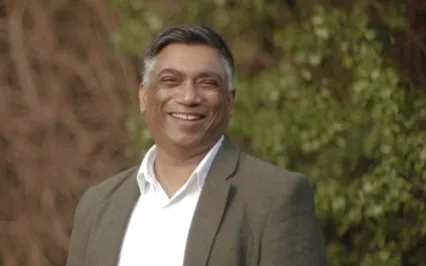
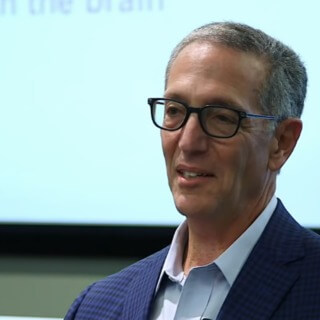
In today's episode I sit down with mindfulness teacher,
Trainer and supervisor Avinash Bansod.
A medical doctor by training,
In 2003 Avinash founded Mindfully Being to pursue his passion for supporting the wellbeing,
Happiness,
Health and effectiveness of all.
Four years later he left medicine to become a full-time mindfulness teacher and has not looked back.
Over the past 20 years Avinash has taught mindfulness in both academic and corporate settings.
He was the first mindfulness chaplain at the University of Edinburgh,
Sits on the board of trustees of the Mindfulness Network in the UK and in 2017 his unique kind and mindful approach to life program was given an impact award.
Avinash and I discuss his first experiences with meditation,
The nuances of mindfulness and its potential for radically transforming self and the world.
Welcome to the Back to Being podcast.
Really great to have you here with me today.
How are you doing?
I'm delighted.
I'm great.
Thank you.
I've just come back from a retreat,
So it's great to be kind of landing from that creative rich space to here,
You know,
Freshly baked.
That's great.
There's a little bit of pressure on me to keep that retreat vibe going for the next hour or so.
Really thankful and grateful that you are taking the time to be with us today Avinash.
You're a relatively new friend of mine,
But I really already value our friendship and just really happy to have you here with me.
And a big topic that we're taking on today,
Radically transforming self and the world.
So we'll see if we can do it justice over the next 60 minutes or so.
As we say in mindfulness,
One breath at a time.
Let's do that one moment at a time.
So Avinash,
I'm going to kick off with a simple yet pretty big question and one that I ask all our guests on the podcast is how do you define mindfulness and how does it show up in your life?
Yes,
It is.
It is one of those big questions.
Gosh,
So where do we start?
I mean,
It's a bit like also asking what is love?
It's one of those big questions,
You know,
What's the purpose of life?
And I would say,
I don't think we can define,
And I know what people mean when they say what can you define,
But there's an implication is because if we define something,
It becomes a thing.
So it's a thing.
And as soon as I know that thing,
Then the knowing stops as soon as we name something in us,
It's a noun.
So naming what it is,
It's helpful.
But at the same time,
The process,
The journey of really understanding deeply kind of stops.
I like John Cabezin uses the word working definitions.
It's a work in progress.
So I prefer that what's the working definition or the description of mindfulness.
It's a translation of an Indian Pali word,
Sati.
It's an English translation.
And it's interesting.
I think these translations were happening in the Victorian period where kind of discovering these rich traditions and cultures.
So when they came across mindfulness,
They translated it in a way that would make sense to that time.
And many different translations were used.
One of those were heedfulness.
I think we'll just start with mindfulness because in a way it's a good translation.
But the Indian word is sati,
Pali word is sati,
And the Sanskrit is smriti,
Which literally translates something like to hold,
To recollect,
To remember,
To hold something in the mind.
So it's a sense of holding,
Remembering,
As in memory,
But not memory in the sense like remembering,
Not in that sense,
But to hold something in mind moment by moment.
That's really interesting because people often think of it rather than holding something in mind,
People think of it as clearing the mind or emptying the mind,
But that,
You know,
As we know,
Is not the case.
It's more about holding whatever comes into your mind.
Having something at the forefront.
So you know,
If you're going to meet a friend,
There's a kind of holding that meeting in mind because if you forget,
Which often we may,
Then we may end up somewhere else.
Just the sense of just holding something,
It's that faculty of the mind that helps you to have that.
It's remembering,
Recollect,
Gathering.
So that's a literal translation,
But mindfulness,
What it is really,
It's awareness.
So in a sense,
I'm aware of where I'm going.
I'm aware of the body.
I'm aware you're having this podcasting.
So this awareness of what is happening.
Is that faculty you just mentioned,
Is awareness that faculty that allows you to hold?
That's interesting as well because we are aware,
People are aware.
So there is awareness there.
But we wouldn't say people are mindful or have a seven year old and when he's playing or when he's doing something,
It's just there present.
But I would say he's mindful,
He's present.
So just being aware is not being mindful.
If somebody is aware,
It doesn't mean they're mindful.
So there's a certain quality of awareness we need.
Our everyday awareness has underneath that everyday awareness,
There's a stream of preferences,
Planning,
Judging.
So I'm aware,
But there is this agenda.
There's this expectations.
There is this judging.
I like this.
I don't like this.
Why is the bus late?
And will I be there,
Will I arrive there?
Oh,
Why is he looking at me like that?
So all these kind of preferences,
Commentary.
So awareness is there,
But it's tinged.
The flavor of that awareness is busy-ness,
Is judging,
Planning,
Worrying.
Whereas mindful awareness is different.
So that's when we talk about non-judgmental or it's accepting,
It's open awareness.
It's intentional,
It's deliberate,
It's purposeful.
So there's all these facets.
So mindful awareness is a certain quality of awareness.
And then we can talk about it's intentional,
It's deliberate,
It's purposeful.
It's not at the mercy of any judgment that comes and then the awareness is hijacked.
So there's meaning,
But also there are attitudes that we talk about.
You know,
Loving kindness,
Non-striving.
So coming back to the description of mindfulness,
A working definition,
It's an awareness and it's in the present moment.
It's an awareness that is deliberate,
Intentional,
And it is accepted.
It's stripped back that judgment,
Those preferences are stripped back to reveal this purer quality of awareness.
So you bring a different flavor and then it's moment by moment.
So that's how John Kabat-Zinn describes mindfulness.
He says it's refers to awareness and it's deliberate.
There is an attitude,
So it's not judgmental.
And it's interesting.
So if we look at Mark Williams,
And I love his description of mindfulness because it really captures it in a word.
It's so subtle,
But it's so powerful.
The benefit of the listeners,
Mark Williams is the co-creator of the mindfulness-based cognitive therapy program.
I think he's at,
Is he at Oxford at the moment?
Yeah,
He's based in Oxford.
He's a cognitive behavior therapist and a practitioner.
So he describes mindfulness.
It refers to awareness.
So again,
He says it's an awareness.
And then he says,
It's knowing what is happening as it is actually happening without preference.
So knowing,
So this quality of mindful awareness,
It's the knowing.
So we have this faculty going back,
You know,
This knowing ability without preference.
So if you ask me really in one word what it is,
It's knowing.
So interesting because we talk a lot about being and doing and these different modes of mind,
But is knowing not a form of doing?
To know thyself.
So that also captures what like to know,
You know,
How things are.
And it's moment to moment,
Not knowing about future.
It's knowing what's happening.
And in that sense,
The image of light,
You know,
The light has two qualities to it.
You know,
The light also means luminosity,
When you shine a light,
Things are clearer.
Things are bright.
You know,
You see things.
If there's dark room and we turn the switch on,
It's luminous.
So when we are aware,
We see things.
But also lightness also means lightness of touch.
So there's that quality for mindfulness.
When we fall into that clarity,
It's also light.
It's not heavy.
Because sometimes we can know things,
But we become very heavy.
Heavy knowing,
Which is just heavy,
You know,
Thinking,
Thinking,
Thinking.
What's the layers of judgment and preference that weigh that knowing down,
Isn't it?
People say often,
I know that.
But it's often here.
Going back to the heart,
Which is the lightness,
The heart is metaphorically,
It's symbol for kindness,
Compassion,
Courage.
The root meaning of the word heart and courage in French are similar.
There's a courage requires,
Which is lightness.
We can just have a whole podcast on just on this whole thing of what is this lightness.
But yeah,
I think it's an awareness.
It's knowing what's happening.
There's an element.
We talk about the IAA model.
So there is attention.
So it involves attention,
Attending,
As in holding.
Okay,
You know the word holding,
Like a doctor attends a patient and a nurse attends or parents attend the children.
So there is an attentional,
But it's not a military attention.
It's kind attending.
Then there is intention.
So attention,
Intention and attitude.
So it's not just what you attend to,
How you attend to it.
And why you attend to it.
Why you attend to it in the sense of meaningfulness.
So there's mindfulness,
There is meaningfulness.
And then there is this whole relational aspect.
So when these three ingredients come together,
What you have,
It's this mindful awareness.
Not just knowing,
Feeling,
Sensing,
This intuitive relational.
And when we talk about relation,
It's relating with what's happening within us,
Within one cell,
One's whole being.
What's happening outside us,
Around us,
And the interaction between the inner and outer.
And that's why mindfulness is really dynamic.
It's not just about me and what's happening for me,
Within me,
But what's going on around me.
And then we can see how it's multidimensional.
Mindfulness is,
We can't really pin it down.
There are so many different facets to mindfulness.
Yeah.
And I love what you said just then about,
It's about how we relate to ourselves,
To what's going on around us,
Because it can't just be limited to kind of a formal practice of some kind,
Whether you're sitting or lying,
Because in that setting,
You can really only relate to yourself.
It's when you take it out into the world that you're able to relate to others,
To experience that you're having.
So I think that's such an important thing to remember.
It can and must be very dynamic for it to be true mindfulness.
I teach it to say,
You know,
Mindfulness in action.
So we have formal mindfulness.
It's like we go to the gym,
We do our workout,
You know,
So that's where you go into the laboratory and you look at the mind directly and you work on the mind.
And then there is informal practices where you,
Instead of taking the lift,
You take the stairs and you cycle to work.
You're informally training those muscles,
Working on the fitness.
So there's informal practices,
Mindfulness,
Washing the dishes mindfully,
Having a conversation.
So there's a myth that people have maybe in the West and maybe it's because of the pictures and images that you see in a beautiful lady sitting cross-legged and,
Well,
You know,
Our yoga.
But I think that's just a myth.
I think if you show that to Eastern people who are in that tradition,
They would have a laugh.
What are you showing?
It's very much integrated into the society for people.
So there's this whole dimension of mindfulness,
Which is action.
And my teacher,
He used to say,
If meditation,
If the practice on the cushion is not translated into your day to day life,
Then there's no point in sitting.
Yeah.
You're squandering that time really.
Absolutely.
Absolutely.
The real test of how mindfulness is really working or manifesting is to then look at how people are going out and about in their daily life.
So every moment of waking life is an opportunity for informal practice to translate mindfulness into action.
You mentioned your teacher.
I wanted to kind of segue into your story a little bit and to hear from you.
You're a practicing Buddhist,
Have been for a long time.
I'd love to hear a little bit more about that,
But was there a moment in time or a period of time where this knowing or this heartfulness manifested in your life where you first felt and experienced it?
And then how did that kickstart the journey to today being a mindfulness teacher?
I'd love to hear a bit of that background and story.
It started when I was a medical student in India.
And in my second year,
I was going through a lot of stress and anxiety,
And leader challenges,
Struggles.
And that's when I was looking for something to help me deal with those inner challenges.
And it was just by chance or accident really that I came across this flyer that was in our canteen was somewhere near the basin.
It was where you put your dishes.
It wasn't mindfulness.
It is not a buzzword in,
Dear,
Where I come from.
In fact,
We don't have the word mindfulness anyway.
So it was a six week course on meditation for young doctors.
So I went along and one of my senior also recommended me going to that session.
So I did a six week course and I was quite amazed really to see how just sitting still for 20,
25 minutes could make a huge difference on my level of anxiety.
I started practicing regular and the more I practiced,
I could see the changes,
My inner changes.
I could see the level of anxiety,
I was able to focus better,
Function better,
Much,
Much better.
Was it a secular kind of program?
It was a Buddhist context.
I went to the Buddhist center.
But it's interesting because growing up in India,
In the schools,
In primary schools,
Secondary schools,
We had yoga as part of our curriculum.
We had meditation as part of the curriculum.
So I think it was good to have that kind of background because when I started feeling anxiety and stress,
I knew that yoga helps,
Meditation helps.
So there was already the kind of seeds were there.
If you take for granted that knowledge,
But that's a knowledge that most children in the world,
They never taught.
I mean,
Things are changing,
Thankfully,
But so good that you had that exposure at a young age already.
Absolutely.
Absolutely.
So yoga helps a lot of people.
People can always fall back to that.
And it's still part of the culture where it's there for people as a way of life really.
The parks in the streets or you know,
You can see people doing yogas and the different types of yoga as a meditation.
So I felt fortunate really.
But then as I started studying more,
Practicing more,
I realized there's more to mindfulness or meditation with this meditation,
Which mindfulness was a big part of it.
So I did mindfulness of breathing.
So that was the first meditation that I was interested in.
So mindfulness was a big element.
Another practice that we were taught was loving kindness meditation.
So there's these two practices,
Metta,
Loving kindness and awareness practice.
They formed the basis really of my training because when I started learning more and understanding more,
It gave me a great framework,
Practicing and taking it a bit more deeper.
But the turning point was a retreat I went to.
So I was practicing.
I was fascinated because I was learning about the bodies as a medical student.
You learn about the body,
The physiology,
The microbiology,
All these kind of sciences,
Which was fascinating.
It is my passion to understand the workings of the human body.
But when it came to understanding human mind,
There was very little in terms of being well because the science,
It's all about when things go wrong.
So very much pathological clinical and prescribing medications,
Which is fine.
But we couldn't prescribe meditation here.
The word meditation,
Medication,
They sound similar,
Isn't it?
Yeah,
Yeah,
They sure do.
The whole journey,
It's a long story,
But it led to me trying to bring together the medical science,
But also the science of the mind and how it works and how we can keep our mind well.
This faculty,
This human mind,
It's a mystery.
So that became my passion to integrate the psychological contemplative traditions,
Medical sciences,
The East and the West coming together and the preventative not waiting until the disease happens.
Can we do something before disease?
Before the discomfort,
Like with the back,
Can I work with the back rather than wait for the back to show the symptoms?
So this preventative medicine I was really passionate about,
And I thought the whole meditation and preventative health and wellbeing is the key for us.
Yeah,
I mean,
It helps us to be much more attuned to our bodies.
And then as you say,
Rather than waiting for something to go wrong,
We're listening and feeling and sensing signals from the body.
And I think that is the way we can take preventative steps,
Isn't it?
So I wasn't thinking of becoming a teacher as such,
And this is what I'm going to teach.
It started growing slowly and slowly.
And even now,
The process is still going on as I look back and what I've learned and that makes sense now.
And now the whole mindfulness is really taken off.
And we have universities who teach mindfulness,
Research mindfulness.
It's great to see now in how mainstream it has become,
But it's very obvious when we study,
When we look at it,
It makes sense.
Yeah,
Yeah,
It does.
In the Buddhist context,
Perhaps you could share a little bit of how mindfulness,
What role it plays within the teachings,
Both in terms of the formal practice,
The practice of meditation,
Going to the gym and building that muscle,
But then also in other areas of life,
Mindfulness in action.
We looked at mindfulness as sati.
Sati in the Buddhist context,
It's one of the many faculties that we have.
So there's a context in which mindfulness is practiced in us and it's supported by this context,
Noble eightfold path and mindfulness is one of the limb.
So we talk about five spiritual faculties and mindfulness is one of the faculty and awakening factors in the seven awakening factors and mindfulness is one of it.
So there is a rich context and practices within which mindfulness is one aspect of it and very important aspect in a way is so important that this is what Buddha said when he passed away in his parinirvana,
When he passed,
He said,
Be mindful.
And so at the end of the day,
Those were his parting words.
Yeah,
With mindfulness,
Try more.
Apamadena Sampadena.
So that's the essence,
But there's more to it than this description of just be aware and being non-judgmental.
And I think it really becomes rich if you look into,
For instance,
With compassion practices and kindness practices,
They're more now integrated because when in the West,
When mindfulness is developing,
People realized,
Oh,
You become naturally there's a flowering of kindness and compassion.
I was going to ask you actually about that connection because I know an area you're really passionate about is cultivating compassion and loving kindness.
So that linkage,
And you've just said that when you practice mindfulness,
Compassion and loving kindness start to flourish.
Maybe you could say a bit more about that connection between loving kindness,
Compassion and mindfulness.
It's absolutely because Buddha was teaching,
You know,
There were awareness practices and once he gave a teaching on loving kindness,
And one of his disciples Ananda,
He said,
This is wonderful.
This is wonderful teaching,
This loving kindness.
I really like it.
I think half of what you teach is loving kindness.
And he turns to Ananda and says,
Don't say that Ananda,
What I teach,
All of it is loving kindness.
Right.
Right.
And he uses this metaphor of two wings of the bird.
So one is this awareness,
Mindfulness,
The other wing is the,
The way your kindness.
So they go hand in hand,
The two side of the same coin,
Really kindness.
So there are practices that are designed to develop the level of awareness,
The clarity,
The clear seeing.
And there are practices that develop these positive emotions.
So we have metta or loving kindness as it's translated.
So there are practices to cultivate loving kindness.
There are practices to cultivate compassion.
There are practices to cultivate joy.
So you become more joyful,
Happier.
There are practices to cultivate equanimity,
You know,
This ability to hold everything together so we don't get swayed by these different emotions.
The kind of stability is in our emotional calmness.
So those practices,
We call them Brahma Bihara,
So dwelling in high abode or positive states of mind.
And they act like a buffer from our,
You know,
The negative states of mind or forces or mental physical challenges that can pull us down.
So there's mindfulness,
The vipassana practices,
It's called the clear seeing,
Which settles the mind.
So shamatha,
Settling the mind.
And when the water is still,
And you can see things clear,
Settling.
And the practices that are part of our eight week course or the curriculum,
They are very,
Very helpful in calming the body,
Calming the mind,
Settling the mind.
And that's why people find them relaxing for stress reduction.
And then there are tendencies that surface,
You know,
The negativity or anxiety or worry.
So we need something else to counteract that.
And that's where the practice of loving kindness can be really helpful.
Love,
Loving kindness,
And compassion.
And loving kindness and compassion both start with ourselves.
It might be Jon Kabat-Zinn who says,
Your loving kindness is neither loving nor kind or can't be loving or kind unless it includes yourself first.
But I think back to what we were talking about earlier,
Loving kindness and compassion are both also vehicles for mindfulness in action.
I mean,
It's how you take it out and treat others.
Absolutely.
Absolutely.
And so loving kindness is more active.
It's more dynamic with oneself and then bring a dear friend to your practice.
Then you bring a neutral person and the person with whom you have a difficulty.
And then you kind of expand that circle to more and more people.
And these are more emotional practices.
Maybe emotional is not a word.
It's more intuitive.
They're more dynamic,
Warmer,
More active.
And people see that when I started doing Metta,
I really noticed the difference in my behavior,
My relationships.
And in a way they go hand in hand,
You know,
In mindfulness practices,
There is kindness.
It's implicit in it,
But in kindness practices,
We draw that out explicitly.
And again,
To be kind,
We need a degree of awareness.
We can't just be kind or loving kindness without any awareness is not loving kindness.
They go hand in hand.
So it's drawing out explicitly and implicitly and it's using certain objects to sharpen that double A sword with this Metta sharpening the Metta,
But it requires sharpening that awareness is required.
And when you're sharpening something,
It has to be attended very delicately,
Kindly,
Sensitively.
Mindfulness is like that,
You know,
The stone that's used to sharpen the blade.
You need that mindfulness,
Like the fertile soil for the others to grow and to flourish.
I absolutely relate to what you're saying.
The Metta practice,
The loving kindness practice is something that I previously did from time to time,
But in the last,
Probably just in the last few months,
I've started to bring it into the daily practice more prominently.
And I do notice a big difference,
Particularly with my kids,
Particularly with the way I relate to my kids.
I think I'm a lot softer and more patient than I was previously.
And if we look deeper,
When we start to become aware of how the mind works,
We notice this tendencies and impulses that we have,
The pushing and the pulling,
You know,
There's three ways we react when things are wonderful,
Things are good,
The tendencies to want it more and to get attached.
And not that it's bad,
But we end up maybe grasping and holding.
So there's a tendency to grasp and hold.
So Metta,
When we practice Metta,
It neutralizes that tendency.
What it does is,
You know,
It brings into equation this unconditional love.
So there's no condition attached.
You can appreciate,
Acknowledge,
But also not grasp it.
So it neutralizes,
It works very good.
We call it,
It's an antidote to the tendency of grasping and holding things tightly,
How I want it to be.
So it works on that tendency.
Another tendency we have is aversion.
You know,
We call this aversion and attachment model,
You know,
In our MBCT.
So when we push things away,
Things that I don't like,
You know,
Not good,
There's aversion,
Holding,
Avoiding,
And Metta is a good antidote on that.
So we learn to acknowledge,
Understand.
So basically,
You know,
The Metta for oneself is neutralizing these qualities that we have,
Because these are the things,
These are the tendencies we bring when we live in the world to people,
To things.
So when we are practicing Metta,
Those tendencies kind of meld.
So we learn to not push and pull,
But to listen,
To give.
Yeah,
It's very nuanced that this concept of aversion,
Because in the act of rejecting and pushing things away,
The irony is that they stay with us.
We try to push them away and yet we are stuck to them in the process.
What we resist,
Persists.
Exactly.
What we resist,
Persists.
Love that.
That the idea of loving kindness as an antidote to the aversion in the first place,
It helps us not to push them away.
I really like that.
I want to ask,
I want to take it in a slightly different direction and ask you a bit of a loaded question.
I don't want us to get too critical.
I'm presupposing the answer here,
But what difference is somebody who was introduced to this practice and this way of life in India,
In the East,
And you're living in the UK now,
You teach in the UK,
You're very active,
Embodying mindfulness in action,
Right?
And translating this into action.
What,
What differences do you see in the way mindfulness is both understood,
But also practiced say in your context would be India,
But in the East versus in the West as it's exploding in popularity and becoming much better known here in the West.
And I think that partly is kind of all that to the science,
You know,
Because of the research and evidence that's happening in the West,
Lots of positive trials and positive evidence that's coming from the MBSR,
MBCT or MVPs as we call them,
The program.
So,
You know,
Because of the science,
The evidence that this empirical research points that it works,
That's been a big breakthrough because the Western culture,
The society,
The science plays a big role.
So in the East,
Would you say the understanding of mindfulness in the East is more experiential?
Whereas in the West,
It's more empirical,
Particularly these days?
That is a factor,
You know,
That is a factor,
But I think it doesn't mean there's a different kind of science.
You know,
It's not like when we talk about science,
Because even in the West,
The science is relatively new.
Yeah,
Absolutely.
100,
150 years old,
You know,
We call it science.
So it's not that in the East,
There's no science.
It's a different kind of science.
We can call it experiment,
You know,
Experiential science.
It's not science,
It's meditative sciences.
It's understanding the mind.
So there are sciences and science is about understanding.
But yeah,
In the West,
I think the whole movement was taken because we could show it on people that this is how it works.
And then because we can show it,
Then it's easy for policymakers,
Hospitals can invest in that,
Universities can say yes,
There is evidence that it works.
That has helped mindfulness,
But I think it's still the early days.
It doesn't mean we have understood everything about mindfulness.
We know it works and it helps because then that means now it's in the NICE guidelines in the UK,
National Institute of Clinical Health and Excellence,
Which means there are clinical trials done,
Have it works and then GPs and consultants and therapists can prescribe mindfulness as an intervention.
And when you say it works,
We often hear it's effective in reducing what's stress,
Anxiety,
Pain,
Depression,
Exhaustion,
Irritability.
You know,
When the study has found that with regular practice of mindfulness,
It all decreases the anxiety that comes down,
Depression comes down.
But also memory improves.
Whether the reaction time becomes faster,
Like mental and physical stamina improves.
And what the study is also suggesting is with regular practice,
Regular meditators,
They're happier,
More content,
And they are less likely to suffer psychological distress.
Right.
They're able to return to that equanimity much quicker,
That baseline much quicker than others.
And life satisfaction and self-compassion is also announced.
So the studies,
Even with pain,
Physical pain,
Back pain and emotional pain,
Mindfulness practice has proven to be really effective.
Oh yes,
I can testify.
I can testify to that.
And that unpleasantness is reduced and they say it's reduced by 57%.
So that's a big percentage.
And depression now they're suggesting mindfulness is as effective as antidepressant.
So it's given as a frontline treatment.
So try mindfulness first before you come to medication.
So that's a big shift.
Quality of life and chronic health conditions,
They also respond very well to regular practice of mindfulness.
Addictions,
Substance abuses,
And immunity and answers.
There's a whole list of things that it has proven to be helpful.
And there's on average every day,
Three to five papers are published of mindfulness.
That's incredible.
That shows how effective it is.
I always think it's a bit funny that you just shared that statistic there,
Three to five papers a day published.
I'd guess,
I'm not sure,
But I'd guess the vast majority of those are published in the West.
It's really interesting to me that something that originated in the East is so much less studied in the academic approach to it than it is in the West.
I guess so much proof and evidence is required.
It's just the way our cultures operate in the West.
It's up here in the head,
Very cognitive.
It's a good start,
I would say,
Because things work differently in different parts of the world.
So I think we'd have to start somewhere.
Yeah,
Absolutely.
But I guess a good start because yes,
There are differences,
But there are similarities.
You know,
Human mind,
Human condition is safe.
You know,
Whether it's East or East,
We are suffering.
There's suffering.
Whether it's Eastern suffering and Western suffering is no different.
So as human beings,
There are conditions that you go through suffering.
The mind is human mind and the mind is conditioned differently in the Western,
Depending on the culture and the history and the civilizations and education.
Even the mind is shaped by different conditioning,
But we are all subjected to these crises,
The suffering.
And if it means,
Yeah,
This is how things progress in this part of the world.
We have to show,
We have to see,
We have to test.
That's it.
You know,
That's okay.
That's a great,
Great starting point.
But the good thing about that is then once it's tested and it works,
It's accepted.
Understanding organizations who would never think about it.
So mindfulness also challenges,
You know,
Structures of the organization.
Is there a different way of doing things?
You know,
Bringing body more into awareness,
Working more on the body.
And I think mindfulness is doing that work.
We talk about compassionate leadership,
You know,
Mindful leadership,
A mindful way of doing business.
We started Mindfulness Initiative at the Edinburgh University and I must have trained 500 students over three to four years and then moved on to Maypere University.
So this wouldn't have been possible if it wasn't without the research with it.
Yeah.
Right.
But again,
It's still new and I think it's evolving.
Whereas in the East,
I think maybe the emphasis because of the content and the context,
There are different challenges that we have to encounter because it's part of certain culture or tradition or religion.
So I think what we need is a dialogue really.
I like the Dalai Lama's approach in a way because the traditional conventional way of looking at mindfulness in Buddhism,
People,
You know,
Serious practitioners,
They resist.
I don't want anything to do with the secular tradition.
They don't see the whole picture,
But I think there needs to be a dialogue because there's so much we can learn from the psychological,
Especially the cognitive science that is evolving.
There's so many more real insights that the conventional Buddhism can take on board.
And there's a dialogue happening between the East and the West,
Buddhist and the scientists.
And this convergence,
A lot of what's being discovered these days in neuroscience in many ways is validating a lot of the Buddha's hypotheses.
It's really interesting to see this happen.
The reason mindfulness became popular was because of the dialogues.
Yes,
There are differences and yes,
There are similarities,
But let's come together and have a dialogue.
Let's collaborate.
Let's understand.
Because what we're talking about is because,
You know,
Look at the state of our bodies and look at the state of our planet and the chaos and the suffering that's around.
So I think what's needed is a platform.
Let's collaborate.
Let's talk.
And not just Buddhism,
Really.
I think we need to be open to all different traditions,
You know,
Faiths,
Because there's richness in all different traditions,
Multi-faith,
Dialogue,
Science,
And faith.
And it is happening.
It is happening.
And you know,
The science,
Even in science,
The science of consciousness is changing.
And,
You know,
The physics and the way they look at,
I sense what I'm listening and hearing.
We are moving in the right direction.
How do I put it?
And hope,
You know,
There's hope,
There's good,
A lot of good is coming.
So I feel very optimistic and positive.
And that's my role.
If I can play this through my community,
In my part of the world,
This is what I'm engaging in.
Well,
That is a great segue to the next question,
Which is about what you're doing.
I mean,
Please share how you are,
Because you're no longer a practicing doctor,
Right?
You're now a full time mindfulness teacher.
Please share with our listeners the work that you do and the community that you're working with.
I think it's really fascinating.
Yeah,
That's right.
There was a point in my life where I decided this is what I'm going to dedicate my life to really taking this message or teaching practice of mindfulness,
Because how many doctors are you using this as a specialty and we're not that well paid anyway.
It's interesting in China,
They used to pay the doctors when they were well,
When they were unwell,
They didn't pay the doctors.
Amazing.
Yes,
It's a huge decision to take.
I mean,
Not least by,
And I hope you don't mind me saying this,
As the son of an immigrant from the East,
I mean,
To give up a career as a doctor,
Which many aspire to and to do something so different that may not be well understood by a lot of people.
Still,
I mean,
Even my friends were consultants and quite high up and then they ask Avinash,
What are you doing?
Do you teach mindfulness?
What is that?
He's a senior doctor,
Right?
I mean,
Consultant is a term for senior doctors in the UK.
So there's even in the health sector,
There's very little awareness of what it actually is or really is.
But yeah,
Even my family,
My dad is still kind of coming to terms because it was a big decision.
It was a big decision.
But I'm glad because it's a work that is very much at my heart.
So I feel blessed in a way that if I were doing something that I'm passionate about,
You know,
And very few people I've met,
They're happy,
Fully loving what they do.
I love my work.
Otherwise I would be doing this to help people to being aware and to be kind,
Compassionate and being a channel,
Being a catalyst for that change,
I'm still practicing,
Still working,
Still learning.
And it's great to see more and more people are coming to Mindfulness and the retreat that I was talking to you about that I just came back,
Five day retreat.
You know,
Like when I started meditating as a medical student,
I never imagined I'll be teaching an Olympic gold medalist in rowing who will be my student.
You know,
I never imagined a high level consultant will be sitting next to me learning mindfulness.
So I was working with these leaders who are active,
Very elite,
Using mindfulness and seeing the value of it and how it's transforming their life,
Their work,
Their relationships.
So it's very,
Very rewarding to see how it changes people's life in a very,
Very tangible way.
And for me,
It's been a life saving experience.
I'm committed myself to sharing that knowledge,
That wisdom,
Those practices,
Those teachings.
So people's lives can be saved.
In that sense,
A world can be saved.
It's very easy to get into that mode of doing,
Doing,
Doing,
Doing,
Doing,
You know,
Without having no recollection of what are we doing?
What are we doing?
Why are we doing it?
And rename our species as human doing rather than human being.
So yes,
I mean,
It has its challenges because as I said,
I've started a business and in terms of making it a livelihood,
It's challenging.
But I think it's interesting.
I love the help,
The resources keep coming to me.
And so,
Yes,
There are challenges through my organization.
I'm not here to make profits or anything.
There's enough there to bring the food on the table.
But the impact of the work,
It's so satisfying.
I know you're not in it for the profits,
But I also want to give you an opportunity to plug and show what you're doing.
So you mentioned your organization.
Tell us a little bit more about that.
What's it called?
So the organization that I have founded is called Mindfully Being.
And I started working 12 years ago.
I worked with the universities and creating communities.
So through this work,
What we created is these communities which spread the word about mindfulness and the work that we do.
And we've done more than 500 courses so far working with the team.
So I work with other teachers who are also professionally qualified.
They are experienced practitioners.
And now we are training people to teach mindfulness as well with emphasis on kindness really.
So the program that I'm developing is called KAMAL,
K-A-M-A-L,
Which is Kind and Mindful Approach to Living.
So it draws on mindfulness,
But heavily on kindness and compassion and taking it to the communities.
And I'm very much aware of how,
Again,
Within the world of mindful,
It's kind of limited to certain class or certain race or certain kind of section of society.
That's for another podcast,
By the way.
We should definitely talk about that because I think this exclusivity of mindfulness is a real concern,
Something we need to work against when you're doing just that.
And you've talked to me before about working with these various communities and seeking this multiplier effect almost.
You want people who can go out and amplify and multiply and magnify the message,
Right?
So the way I approach mindfulness is it's very much community based because I love communities.
There's more to mindfulness,
Not just stress reduction,
But we are cultivating and healing the planet.
So that's where the holistic approach,
Community approach,
More inclusive,
You know,
And in 500 courses that we have delivered,
Every course,
We had one or two people who couldn't afford the course,
But they offered it free of charge.
It's open and inclusive and accessible.
And I always say in my taster session,
I don't want money to be the factor that's holding you back.
If you really want it,
Please speak to us because in the world that we live in,
The consumeristic world,
Even water,
These elements,
In a way we can sell the water.
So I think awareness,
And there is a whole debate about,
You know,
The costing,
But I think awareness is available to everyone.
The air that we breathe,
And John Cabal said,
Someone said,
Isn't it,
As long as you're breathing,
You can't be mindful.
So it's just one breath away.
What mindful breath.
What I noticed was people did the course and then I never saw them again.
So we had to find ways and really keep people engaged and keep the practice sustained over time.
So my interest at the moment is the sustainability,
The inclusiveness and the integration of my influence in our day to day.
So that's the kind of unique threads that I'm drawing and the teachers that we are training.
It's a one year training.
And what is interesting is it came from people.
I didn't go here,
I'm going to teach one year training.
You know,
It didn't work like that.
I don't work like that.
I think I'm very much into what do people need.
And then there's a need there in the community.
We would like to take this approach.
And then I said,
Okay,
How many of you are interested in,
I had 20 people who wanted to learn this particular way of integrating mindfulness.
And here we are 20 people who just finished module one,
Which is going through just the basic entry course.
We just came back from the retreat,
Which was about the four foundations of mindfulness.
And in the January,
In the new year,
We move into module two.
We have six modules that we're going through.
It's non-academic.
So the emphasis is not on the theory,
The science.
We will touch on it,
But it's very much embodied.
That is excellent.
That is excellent.
And I love also how many in this group are themselves leaders and influential people in their field.
So,
You know,
They can take out what they're learning and start to change their domains and the way things are done in their organizations or even their entire industries and sectors.
We need both approaches top down,
Because if the director is practicing mindfulness herself,
Then people look at the role modeling.
But we also need the bottom up,
The grassroots level at the community level.
So it's exploring,
Experimenting,
And having my own organization gives that freedom as well to explore a drawing on people's skill.
And that's the other kind of danger that I can sense with my secular mindfulness is it's going back into the institution and when things can become very hierarchical,
This is how we do it.
This is how it should be done.
This is how it must be done.
So there's another trap we have to watch,
Especially the evolving secular field.
I guess the over intellectualization of the institutionalization.
Yeah,
Really interesting.
We'll drop some information in the show notes about Mindfully Being and the courses that you're running.
Please do check them out if you're interested.
We're going to wrap things up.
It's been really,
Really enjoyable having this conversation with you.
I want to end by asking what advice you would give somebody who perhaps is listening to this and their interest is piqued and they'd like to explore mindfulness,
Maybe start a practice of their own.
How would you suggest people embark on a journey with mindfulness?
What are some of the first steps people can take?
This is one of the wonderful things about the development of the secular,
You know,
There are apps and headspace is a good app so people can start small trying these practices.
Is it Iris Modadoke that said,
The secret to happy life is continuous small treats.
So something really small,
Treating yourself with these practices.
And then in there,
Of course,
There are books and longer practices and podcasts like these are really helpful to understand.
And then nowadays it's all online.
So there are online classes and meditation,
Mindfulness courses,
But I think really important to look at who the teachers are.
So really search into because the market is kind of swimming and there's lots of things that people can fall trap into.
So really investigating,
Exploring,
Doing a bit of research into the teachers,
The teachings,
What's been offered and doing a course,
Actual eight week course.
If you have a toothache,
You know,
You go for the best dentist,
You go for the best surgeon,
You go for the best doctor.
So I think it's important people do a bit of research because it's working with the mind and look for the good experienced teacher in your area.
Get on the course,
Have some experience,
And that would be a great journey.
If you're in the right hands,
Then the teacher will guide you.
Yeah,
I think that's very good advice.
I think the great thing about the courses is that you can go into one of these courses having never meditated and you can come out of one of these courses after eight weeks with a very well established daily practice.
Something that if you were to try and do on your own to get up to a,
You know,
30,
40,
45 minute practice a day could take many years,
But in the space of eight weeks,
You get that.
That's wonderful.
Yeah.
And there are informal practices as well.
So doing things mindfully,
You know,
Even running,
Walking.
So there are all these different aspects of finding a good teacher is it's a good start and who someone who's experienced skilled.
And if it's online,
People can look at my website as well,
MindfullyBeing.
Co.
Uk.
And since the lockdown,
We've been offering free sessions,
Meditation,
Taster sessions,
Drawing sessions.
So if people want to experience our kind of taste of flavor of mindfulness,
Then they can log into our website.
We also have recorded resources as well so they can listen.
There's a YouTube channel.
Wonderful.
Wonderful.
We will link all of those in the show notes.
I really like how you said in researching or preparing to learn mindfulness,
Be very mindful about your research,
Be mindful about the teachers that you work with and the flavor of mindfulness that's being offered.
Once you know they're an experienced teacher,
It's okay to have teachings from different teachers.
So you kind of,
There's different slums,
There's different emphasis,
You know,
But make sure they're experienced and being practicing for the long term.
Right.
And you're really good at twice.
Avinash,
I am going to wrap things up and thank you so much.
I have a feeling we'll do another one of these.
I'd love to talk about this topic of inclusive mindfulness,
You know,
And how it can be practiced and taught and shared amongst a much wider population,
But we'll save that one for next time.
Yeah.
Just very grateful to have spent this last hour with you.
And I think people really enjoy listening to it.
And if you want to know more,
Please about Avinash and his work,
Please do go to the show notes below and click through and visit mindfullybeing.
Co.
Uk and you'll see the variety and wealth of stuff that Avinash and his colleagues are doing there.
Thank you.
Thank you,
Currie.
It's been a delight to just have this hour and a half talking about mindfulness and my journey.
Thank you.
Thank you,
Avinash.
Thanks again for listening to the Back to Being podcast.
If you enjoyed this episode,
You can subscribe to receive news about future shows.
If you're struggling with lower back pain and the distress it can cause,
Then check out the Back to Being method,
A 10-week program based on my own lived experience designed to help you transform your relationship with lower back pain so you can live a healthier,
More active and mindful life.
Until next time,
Be kind to yourself and others.
I wish you well.