Welcome to the Peaceful Power podcast.
I'm your host,
Andrea Klassen.
I'm an Ayurvedic wellness counselor,
Personal trainer,
And yoga teacher who specializes in living cyclical and seasonal lifestyle.
So welcome to the show.
Today I wanted to dive into,
Because we are approaching the summer solstice in about a week,
We're going to do some summer rituals.
And what does Ayurveda say about the summer season?
So in Ayurveda,
The summertime is associated with the Pitta dosha.
And a reminder in case you're like,
Oh,
Tell me a little bit more about that Pitta.
What does that mean?
So Pitta is associated with the fire and water elements.
And when we think about water,
We're thinking about more of a rushing water,
Like a waterfall versus a stagnant pond.
That's going to be a little bit more kapha is a stagnant dosha,
Whereas Pitta is kind of that transformation and flowing.
So within that,
We also have qualities.
And the quality is,
This is the key that I teach all of my clients and people in my programs is,
It's actually the qualities or gunas,
You know,
We call them in Ayurveda,
That I really strive for people to understand.
Because these qualities are really how you can look and see the world differently.
So what does that mean?
We're looking at these in our lifestyle,
As well as in our diet and what we're eating.
We're looking at them in our,
Even in our sleep,
Or,
You know,
What you're drinking,
Time of day,
All of those things,
You can kind of see these elements increase and decrease and throughout your lifetime.
So the first one is pungent.
And so that's associated with the Pitta.
Light,
So Pitta is more of a lighter dosha,
Not as heavy,
Per se.
Hot,
So that's one of the keys with Pitta.
The other two dosha,
Vata and kapha,
Are not hot.
You know,
One is cold and one is cool,
Whereas Pitta is that hot dosha.
So anything going on in your body that might be inflammation or heat.
Think sunburn,
You know,
All of that,
That's that hot element.
Sharp.
So these are sharp pain,
Think migraines versus like your dull achy headache.
It's that sharp intensity.
Acidic.
So this you can think about in terms of,
You know,
Your coffee,
It can be very acidic,
And so it might not sit well if you have a Pitta constitution,
You might not digest coffee as well.
That doesn't mean you won't,
But you just have to be mindful of it.
Intense.
Now,
Intense,
We think about the Pittas tend to be more type A,
So they can also be intense in their words.
They can be very sharp with what they say.
They're the people who might be very direct.
And depending on,
Again,
What part of the country you're in or your own personality and demeanor,
Like people can be abrasive.
We're really,
That's just their nature.
And just understanding that is,
I think,
Key if you're working with someone who might be intense or direct and you're not used to that.
I actually don't mind it at all.
I have a lot of Pitta clients and I appreciate the directness rather than kind of beating around the bush.
So there's that.
And then penetrating.
So penetrating meaning,
Again,
It's that that intensity.
So if we're thinking back to that migraine,
It can be a very penetrating.
It might start as a surface level headache and then it just keeps going deeper and deeper,
Depending on what's going on with your life or,
You know,
Maybe you like,
For example,
My dad and my brother both are prone to migraines.
And my dad,
Typically,
If he's out,
You know,
He's a farmer,
If he's out in the bin and he's breathed in a lot of dust.
So we're starting on the light side.
And then all of a sudden,
Let's say he didn't have lunch until two or three.
Well,
Now we're penetrating deeper.
And so now that headache maybe started as a nice dull one.
It is now increased because he was exposed to the dust.
He didn't eat soon enough.
Now it's a penetrating migraine.
So you can kind of see how it will develop deeper.
So with that,
The Pitta dosha,
It governs transformation,
Metabolism and digestion.
So when we think about that Pitta,
That's why we always say between 10 and two,
Our digestion is strongest because those are the Pitta times of day.
It's a great time to eat.
It's a great time to metabolize what's going on.
Now,
That does not mean because you're a Pitta that you will have perfect digestion.
You still have to work at it and make sure you're eating the things that will give you the good digestion.
And then in transformation,
This is the one where if we think about like a fire,
A fire transforms,
You know,
It starts as maybe just these little small embers burning.
And then,
You know,
If you're putting the right wood on it,
If you're putting the right elements into it,
Like you're feeding it at the right times,
We can see that transformation with the fire.
So that's the same as the Pitta element within ourselves.
If you want to make a transformation,
If you want to change,
If you're looking to achieve a goal,
You're going to need some Pitta with it.
The best one with the best examples I think is,
Let's say you want to write a book.
I got to provoke that Pitta dosha because I need to have a lot of get up and go,
So I can make that transformation of the words in my head to being words on a page.
So that is a little example of how that can,
How that is associated with the Pitta.
Now,
When heat increases in the body,
Inflammation,
Heat,
And anger can build up.
And those are kind of the maybe downside qualities of Pitta.
So when we think about the summer,
What happens a lot of times in the summer?
Crime increases.
And then when we think about it,
Okay,
It's a lot hotter outside so we already have the heat element.
What happens when we're hot?
Typically our tempers or anger starts to flare a little bit more.
And then we also,
If we're going to throw on alcohol,
Then we have an inflammatory element thrown into that.
And so now we have all three going on.
So that Pitta dosha is really becoming out of balance and then crime tends to increase.
So just kind of noticing,
And that doesn't mean just because your Pitta is out of balance that you're going to commit a crime.
Not by any,
Not by any stretch of the imagination,
But that's just an example of like,
Hey,
At its peak,
This is what can happen.
If people aren't paying attention,
If people aren't cooling off and taking care of that,
That anger and that heat.
And the same thing with inflammation.
So if I have someone who's like I got inflammation going on in my body.
That's the first thing we're going to do is we're going to look at that Pitta dosha and see how we can kind of reduce,
Not only in terms of what you're eating,
But your lifestyle as well because it's not only about the food,
But if you're eating,
I'm going to say in quotations perfect for yourself but you're still having a lot of inflammation.
You might be working out too intensely,
Especially in those summer months.
This is not a great time to work out super hard.
You might be going to the hospital for a little bit of data.
You also might be going,
You know from,
Let's say you're working,
Maybe 80 hours a week.
That's really intense and that can increase inflammation if you're not taking time to take care of yourself or slow down and have any mental breaks.
So those are what we mean in that regard.
So what are some summer rituals that we can do.
So these are some,
I think,
Kind of fun little rituals or ways that you can kind of help decrease that Pitta dosha.
One is soak in the moonlight.
So the lunar energy is cooling,
Especially with that intense Pitta energy.
So the summer months are also when we might be able to stay up a little bit later.
So instead of going to bed at 10 maybe you're like,
Oh 10,
30 or 11,
And I can still get up at six and I still feel refreshed.
I know that's how I kind of am.
I usually go to bed 10,
10,
30.
Whereas the winter months,
I do not stay up that late because I just get tired,
You know,
It's a lot more,
It's a different energy going on.
And so really tap into that different energy that you feel.
And I've had a lot of people who if they fight this energy and they still try to get to bed early,
Sometimes they'll have insomnia,
Sometimes they're getting up at like 4am and they're like,
I can't figure out what's going on.
We just got to adjust that bedtime,
You know,
Stay up a little bit later and see how that feels.
So then what,
What you can do is you can go outside.
So maybe at night,
You have a bonfire.
Maybe you just step outside barefoot in your yard and look up at the moon.
Maybe you get up early,
And you look at the moon in the morning if you don't want to stay up super late.
But there are ways just to kind of soak it up like it's not,
It's not that you don't have to overthink it,
Because I think sometimes we get in our heads about,
What does it look like?
I need to practice,
I need to be journaling and then have a breath work and then do a yoga practice all underneath the moon.
That's what,
That's what I should in quotations be doing instead of saying,
No,
We just need to take a little time to rest and just be with our thoughts,
Because that doesn't always happen.
I know for myself as well.
This is why I love wandering in the woods.
It's my time to be by myself.
I don't get too much service.
It's very spotty.
And so unless I have a podcast already downloaded,
I'm not getting access to anything.
And that's delightful for myself.
It's a few hours just to be.
So think about that as just your few,
You know,
Even if it's just 20 minutes just to be with yourself and your thoughts.
Okay,
So the next one,
Take time to rest.
So resting is huge for,
You know,
For all doshas,
But for that pitta dosha in particular,
Because this is the dosha that tends to be burnt out.
And this doesn't mean that just because,
Let's say you have the least amount of pitta in you,
You still have to be mindful of these things during the summer months.
Because let's say you're a kapha vata,
But just because you don't have a ton of pitta doesn't mean that that pitta dosha can't go out of balance.
This would be the time it would be more prone to because it is in those summer months.
So making sure you take those times to rest.
We all know in the hot afternoon sun,
It makes us tired.
You know,
My growing up,
My basketball coaches would tell me,
Andrea,
You can't go swimming on days that we have a basketball game.
Because what they were finding is I'd come to the game and I was exhausted,
Which makes sense.
I was out in the sun all day for four hours swimming in the pool.
And then I'm trying to go play basketball and I just got really loopy and just like totally out of it because I,
Again,
I was soaking up the sun.
So really pay attention to how it makes you feel.
And I know we've all had that experience where we just come back in,
We felt really great outside and then all of a sudden we come in at like four o'clock and we're like,
Oh my gosh,
I'm so drained.
Like,
I am exhausted.
So be mindful of that and make sure you have that rest.
Maybe you sit underneath a tree and read a book.
Maybe find a shaded trail versus maybe a more sunny trail in those summer months.
Just to make sure you don't have that sun rays just beating down on you all day,
But you have a little rest from it.
Now,
Another one is eating for the seasons.
So the summer months,
Here's your tips for kind of eating with the season,
What that could look like.
Is lighter foods.
So,
Lighter in terms of let's think about like a hamburger versus asparagus.
What is going to be lighter?
You know,
Your asparagus is your lighter foods.
That doesn't mean you should never eat a hamburger in the summer.
No,
Not at all.
It just means like,
Okay,
How can I balance it?
If I am going to have this heavier food,
My sides need to be lighter,
You know,
Like a watermelon,
An asparagus,
Cucumbers,
Something like that,
Versus like chips where it's going to be that oily in combination with that heavy hamburger or fries.
Those are all a little bit too heavy.
So some other lighter in nature foods coconut oil.
Coconut oil is great for cooking in and it's great for your Abenanga or self massage in the summer months.
I do have some clients though who coconut oil does not do well on their skin.
And so if that is you,
Don't force it.
Don't try to make coconut oil work for you if your skin breaks out from it or it does not like coconut oil.
Just do your regular like a sesame oil is,
You know,
Try to shake,
Or I make my own lavender oil with a avocado base,
So really kind of pay attention to how that feels,
You know,
Just because that is a suggestion doesn't mean it could be right for you,
It might not be.
Avocado is a lighter food,
Lighter food.
Excuse me,
Asparagus.
Barley.
Basmati rice is actually going to be better in those summer months for that pitta,
Because it doesn't mean that you don't want to have,
You don't want to reduce carbs in terms of like,
Okay,
I can't have anything,
You know,
Have that basmati rice.
Dates are wonderful.
And I have many different fun date recipes where you can do frozen dates with a little chocolate on it,
You can do some stuff dates with maybe a little peanut butter or some sea salt on it.
There's so many fun date recipes if you just kind of Google it,
There's also a date shake.
That really is great for improving your Ojas,
Which we're going to talk about in a few weeks,
That vital energy.
Summer squash and cucumbers.
Pretty much anything that's going to start growing your veggie garden,
That's a great light food to enjoy.
And sweet fruits,
Watermelon,
Apples,
Pears,
They can be nourishing and hydrating on warmer days,
But we always want to try to do fruit as standalone.
So,
Not having those with other things.
And then you're gonna want to stay away from those oily fried and spicy foods.
That doesn't mean that like okay,
Just as I said with that,
That hamburger reference for example,
It doesn't mean that you should never have them but if you do,
How can I balance it out looking at your plate.
And then finally,
Being aware of tomatoes,
Garlic and alcohol because they can increase heat in the body.
And so they are going to be a little bit more off putting for that pitadosa.
All right,
So sensory therapies is another tip for you.
So often that pitadosa can be over stimulated,
And they can get burned out again easier.
So taking time to reduce the load on your five senses can be super beneficial.
Jasmine and sandalwood are both scents that are balancing to the pitadosa in the summer season.
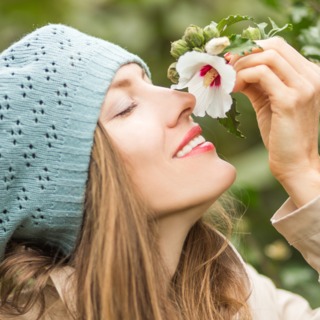
Maybe even just going outside like I was smelling lilac on my walk the other day.
Beautiful,
Like things like that where you're like,
Oh these flowers are growing.
It's the summertime and just taking the time literally to stop and smell the roses like that is a beautiful thing to be doing right now.
You can also practice breath work.
So I like to do this with clients who are maybe overstimulated as just making sure we close our eyes,
Because again that pitadosa,
The eyes are the seat of the pita,
And so we you know if you're on your computer all day or if you're staring your phone or,
You know,
Obviously all day you're looking at stuff like closing the eyes just going inwards.
And then in terms of the breath work,
Shatali and nadi shodna,
So alternate nostril breathing,
Can help calm down the mind and the body,
And doing that you know five to 15 to 20 minutes a day.
Build,
Build up to that though don't start with 20 minutes,
Start with five and work your way up,
But that is another practice that you could do to kind of help reduce the senses.
And then my final tip is moon salutations.
So I put a link in the blog and so if you just had to andrea clausen.
Com forward slash blog,
You'll find the show notes for this episode and then you can see what the moon salutation is actually put a sequence right there.
In case you're like,
Oh that sounds fun like how could I do this because I personally am going to be doing this in the morning this is going to be my,
My new yoga practice all summer in just kind of going through that three to five times depending on where I'm at my cycle.
I will be kind of adjusting it,
So maybe only once during my bleeding phase I might not do it at all I might just rest those first few days I probably will just rest because that's in my head I'm thinking yeah I'm going to do it but really when those days come,
I prefer more restorative yoga and more rest.
So that is,
That is going to be in the show notes or in the,
In the blog notes.
If you want to take a look at what that means.
Okay,
So those were those were my tips and those were my examples of tapping into that summer,
You know,
Seasonal wisdom,
And really how you can implement it into your life.
So if you have any questions you want to go deeper,
My seasonal living collective is a place where you can kind of dive deeper into the seasons and I'll put a link to that in the show notes.
If you're craving a little bit more with the connection with our Uveda and how to live a seasonal life,
And then holistic practices that go that go along with it.
So that will be in the show notes as well.
All right,
Well I will be back in a couple more weeks for another solo show I believe we're going to talk about Ojas,
Because I really think that's a vital thing to be building up right now.
Because when we think about seasonal wisdom we want to be living the current season,
But we're also kind of keeping our pulse on what's coming.
So June,
It's still plenty early in terms of we don't have to quite think about that Vata dosha,
But come August,
We're going to start thinking about okay,
I got to start making sure my Vata dosha is in balance.
So,
September rolls around I'm not feeling frazzled and fried.
All right,
So thank you all so much,
And go out there and spread your peaceful power.