Welcome to the Inspired Evolution.
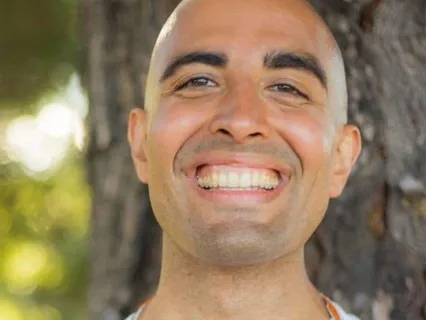
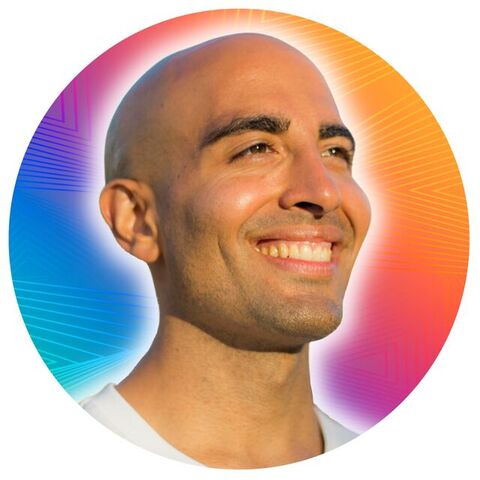
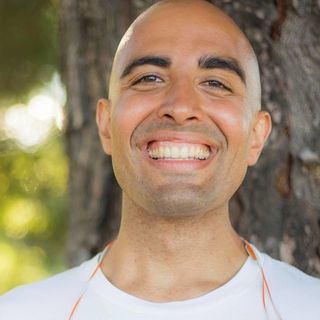
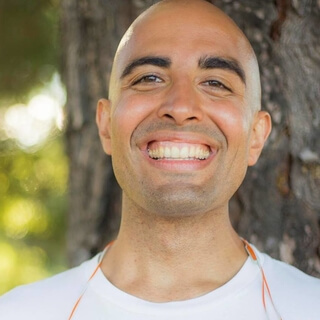
This week's episode features Galong Tuptin.
Galong Tuptin has been a Buddhist monk for the last 24 years and he offers mindfulness and Tibetan meditation to businesses,
Hospitals,
Schools,
Universities,
Prisons and addiction counselling centres all over the world.
He's worked with companies such as Google,
LinkedIn,
Lloyds Bank,
HSBC,
Deutsche Bank,
Siemens,
Accenture,
Linked Ladders,
NHS,
Flip and Chats,
Facebook.
In the evening with a meditation consultant on the Marvel's latest movie,
Doctor Strange,
Where he trained active meditation techniques while they were filming.
This is a really profound conversation.
We dive deep into compassion and forgiveness and we look at Tuptin's unique approach to mindfulness and why it's storming the globe.
This week's podcast is sponsored by Lifecycle.
Lifecycle Australia's leading medicinal mushroom growers.
They're focused on solving global issues using mushroom biotechnologies.
Lifecycle's magic mushroom ranges enable and enhance states of wellbeing in delicious and convenient drinks.
My personal experience with medicinal mushrooms is that in the last four years that I've been taking medicinal mushrooms as a health supplement in my morning tonics,
I have not been sick for the last four years.
My personal favourites are Chaga,
Reishi,
Cordyceps and Lion's Mane.
A little bit about them,
Chaga is great for your immunities.
Reishi is great to recover and de-stress.
Lion's Mane is great as a nootropic and Cordyceps is great for performance.
At the moment,
The guys at Lifecycle have been so generous,
So kind.
They're really supporting the work that the Inspired Evolution is doing and they love the vibe that we're all about.
They're offering the listeners of the Inspired Evolution 15% off anything that you want to order from Lifecycle.
I'm completely humbled by this generous offer of theirs.
Find your way to their website,
Check out what's on offer.
Again,
My favourites are Chaga,
Reishi,
Lion's Mane and Cordyceps and get yourself 15% off.
15% off comes with a discount code with the name Amrit,
A-M-R-I-T,
My first name.
Check that in there,
Upgrade your health,
Look after yourself and tune into a yummy conversation here.
Welcome to the Inspired Evolution and it is such a treat to be here today.
We have the vibes from none other than Geelong Tubton.
How are you?
I'm great,
Thanks.
It is such a pleasure to have you here today.
For those tuning in to Geelong Tubton for the first time,
He became a Buddhist monk 25 years ago at the Kagyu Samyin Ling.
Did I say that right?
Yeah.
Amazing.
In Scotland,
It's Europe's oldest and largest Buddhist monastery.
He has spent over seven years in intensive meditation retreats and the longest of which was actually four years in seclusion on a Scottish island.
He specialises in teaching mindfulness and meditation internationally all around the globe.
He does this for businesses,
Hospitals,
Schools,
Universities,
Prisons and addiction counselling centres.
He works with major clients,
Some of which you may know such as Google,
LinkedIn,
Lloyd's Bank,
HSBC,
Deutsche Bank,
Siemens,
Accenture,
The NHS and has even lectured at Facebook HQ.
He does not get paid.
All funds go to charity for building meditation training centres to benefit the people around the world.
Tubton was a meditation consultant on the set of Marvel's latest movie,
Doctor Strange,
Where he trained Benedict Cumberbatch and Tilda Swinton in meditation techniques while they were filming.
He has lectured on Buddhism and meditation at the universities of Oxford,
Helsinki and Cardiff as well as for Mindvalley.
He teaches in several schools and is often interviewed by the world's media.
He designs and delivers mindfulness programmes for the fourth year medical students at the National University of Ireland and he has lectured at parliament on the Channel Islands.
He's literally just wrote a bestseller book which has just come out.
It's called How to be a Human,
International Bestseller and he's actually working on his second book now.
I'm not sure if I meant to say that but here we are.
Second book's also on its way so stay peeled for that.
And yeah,
How to be a Human was co-authored by Ruby Wax and a neuroscientist and he also runs meditation centres in the UK so there is so much going on there.
It is such a gift to have you here today.
Thank you,
Thank you.
Thank you so much for your time and yeah,
I feel really inspired because I'm in,
I guess to put it quite humbly,
Is someone weaving a life around meditation and sharing the wisdom around meditation is completely inspiring my evolution.
So an absolute treat to be here today.
I'd love to,
I like to start it usually quite lighthearted but let's go into it a little bit.
How did,
How did this become like,
How did Tuktun become the meditator and then the spreader of the meditations?
Yeah,
So actually when I was growing up I wasn't really interested in meditation at all.
I'm surprised.
I mean I grew up in,
It's a Buddhist family,
My parents are Buddhist but there wasn't ever any,
They never sort of showed me how to meditate.
I never did it.
I just believed in it from the back of my head.
But I was just a normal,
Normal child and teenager and in fact when I,
In my late teens I kind of went off the rails.
I got really wild and was living a really kind of party lifestyle and kind of burning the candle at both ends.
And I was living in New York.
I grew up in London and then I moved to New York and I was an actor and I was so stressed and so unhappy and so unhealthy and I kind of had like a meltdown through stress.
I mean it was very dramatic.
I thought I was having a heart attack and I was really,
Really unwell and in that state I just knew I had to do something to get my life back together.
I was ill for about six months and for about two of those months I couldn't get out of bed.
And during that time being ill in bed my mother was looking after me and she had all these books about meditation.
So I was grabbing these books and reading them and this stuff was just sinking in and I was thinking yeah everything is about the mind and if you transform the mind that's it.
That's what it's all about.
And I was reading these books about Tibetan Buddhist meditation and then synchronicity.
You know a close old friend of mine was there and she said there's a Tibetan Buddhist monastery in the UK where you can go and you can be a monk just for a year and then that will maybe help you.
And I thought okay that's doable a year and I went.
I just went for it and my health got a little bit better enough to travel and I went there to Sami Ling in Scotland and I think it was three days later when I was a monk.
After three days I had long hair,
They shaved my head,
I became a monk but only for a year so it didn't feel like a huge commitment.
It felt almost like rehab or something you know and something where I could just get my health together,
Get my head together and then sort of go back to my old life.
That was the plan but of course it didn't work out like that because the whole thing kind of got under my skin and after being there for about nine or ten months I thought no this is something I was studying Buddhist philosophy,
I was learning to meditate.
I felt this is something I want to go deeper with so I decided to stay another year.
And during my second year I went into retreat for nine months and during that nine month retreat I was completely alone in a room meditating all day and doing a lot of fasting so a lot of physical purification and also some mental purification.
And during that time I started to think actually I'm going to stick with this.
I want to be a,
Because I was like a novice monk,
I want to be a fully ordained monk for my whole life.
I'm going to just dedicate my life to this.
Because I got the sense that it's healthy for me but it could be healthy for others too if I could maybe live a life more of service.
I've been very driven by ego before that,
Very driven by wanting those material things and just ego satisfaction and I was starting to see that it was not possible for me to play that game anymore.
It didn't feel healthy or the right thing for me to do.
So I wanted to do something to do with compassion,
Helping others and I could see that being a monk would be the best way to do that for me.
I'm not recommending it for everyone but for me.
And so I stayed after,
I think after being like a short term monk for about three or four years I took life vows which means you take a vow that you'll be a monk for your whole life.
And I've got to say my friends thought I'd really lost it.
They thought I'd joined a cult or something and needed to be rescued.
And my family were totally supportive because they understand what Buddhism is and they felt very good about it.
And then my friends came around to it after I'd been in it for a few years and they could see that it's healthy and happy and it's not a weird thing at all.
And yeah,
So I've now been a monk for 25 years and that's more than half my life.
I was only 21 when I became a monk.
And so I've forgotten what it's like to wear jeans and all these robes for so many years.
And yeah,
It's been a real journey and it still is.
I mean I'm still learning more.
I teach now but I'm also learning.
Keep studying,
Keep practicing.
Yeah.
Amazing.
There's definitely something in there about something I want to reflect is you just mentioned it's been so long since the last time you wore jeans perhaps.
And I find that fascinating because not that it's a comparison game or anything but on some level I really appreciate the way you deliver your messages time and time again because they're so relevant.
You really have a way of making mindfulness now even though it is all about the now.
But even just when you're referencing from the talks you give,
It's very referenced with the impact that social media has on our lives and how even some of the metaphors are social media oriented and it's not like this in need of a better word archaic even though the wisdom is obviously timeless.
But you have this real way of blending the wisdom into the space present age.
Thank you.
And I think that's important.
I think what I'm dealing with is this ancient wisdom from the Buddhist tradition but it's always relevant in modern times because it's about the nature of consciousness.
But then the way I explain it is very true.
I try to weave in modern examples and neuroscience,
Things like that.
My own history with teaching is that I had been in the monastery for about five or six years and the head of the monastery asked me to start giving talks.
And those talks were really in a Buddhist situation in the monastery and some of our centers talks about Buddhism,
The history of Buddhism,
Meditation.
And I was doing that quite a lot but then I started to feel a real feeling I wanted to get out into the world and help people not trying to preach Buddhism.
I've never ever wanted to try and convert the world to Buddhism.
Buddhism is not even really a religion like that.
It's more just a philosophy or a way of thinking.
And the aim is not to go around spreading that message as a Buddhist idea but the aim is to help people to meditate,
Help people to transform their minds and regardless of religious belief.
So what I did was I was working in a teaching at a center in Wales.
We have a center in Cardiff and I said to the center there,
Just contact the local prisons and ask them if they need any help.
I'm a monk,
I can come in and talk to people and that's how it started.
I started to teach mindfulness in the prisons and this was also way before mindfulness became the thing.
Well now everyone's doing it but in those days 20 years ago they didn't use the term mindfulness so I was calling it meditation but I was explaining it in a very simple grounded way which people could understand.
And I was working with prisoners and then drug rehab centers and then slowly also the corporate world started to get interested.
And since then apart from times when I've gone into retreats I've basically been constantly giving these courses.
And one of the things I say to people is you know I do understand what it's like to be busy and stressed and have too much on my plate.
I'm in that world traveling,
I've got my phone and my computer and catching flights and all of that so it's relevant and modern and I'm living that fast paced life with people but showing them how mindfulness can calm you down and keep you stress free or more focused and more happy.
I really appreciate that.
It's such a gift and to be honest the word that comes to mind is refreshing as well.
It's really,
Because we were talking about this before a little bit before the podcast started but also just you know things,
Sometimes doctrine can be too polished and then it's really hard to relate to but having those examples which are directly relatable it's like well you know you've got your phone and you can relate to those examples it makes it easy to access.
It's important because we're talking about human consciousness,
Human experience so you've got to make it relatable for people so that they think yeah that relates to me I can see that.
So I'm teaching busy school teachers and doctors and parents with lots of kids or kids themselves and yeah I'm a monk so at first they might think oh he's a bit unrelatable but as soon as I start giving these examples and talking about the mind then they relax and they realize this is a universal thing that everyone can understand.
I love that.
So there's this idea of the mind and you mentioned before when you were in on this you went into seclusion basically isolation you know there was this physical cleansing but also this mental cleansing and obviously subsequent to that you made your decision but you know can you describe like what was going on there like when you start clearing yourself physically but also the mental and the relationship between the two and then consciousness and there's an interconnection amongst all these things.
So there's a few things there so retreats I mean I've done retreats of many lengths I've done short retreats and then the longest retreat I did was four years long that's really long.
It's really long.
And retreats when they're long like that or even in a few months it's not particularly it's not an escape and it's not even that relaxing it's kind of hard work you have a really heavy schedule you're up early in the morning you get up at four or whatever and you're doing meditation for 12,
13,
14 hours a day with little gaps obviously you do sessions and you're working on your mind it feels like you're plowing a field and trying to work with your mind and make it more flexible and more pliable and you're kind of working with your thoughts and emotions and seeing them for what they are and trying to become less controlled by them.
So it feels a little bit at times it feels like you're sort of digesting your history a lot of memories come up like childhood memories and things that happened in your life that you maybe haven't processed and now they come up really fully and you having to work through them so it feels like a detox but of course we all know that a detox can make you feel a little bit sick.
Yeah you get the flu in the air.
I mean I wasn't in the corner throwing up or anything but it was heavy and you feel like it's like having surgery or something but it's very very healing and transformative at the same time.
You talk about the past and this is something I definitely wanted to have a chat to you about today was the idea of forgiveness and how important that is to us.
It's something I definitely have my own challenges with and especially a lot of people I work with as well and time and time again it comes up that forgiveness is it's difficult to let go.
Yeah I think that's the subject which most people are really interested to hear more about when I give talks the talks on forgiveness are the most well attended actually everyone struggling with that because we're living in a really stressful world and a lot is happening and people are stressed they take out their stress on each other people are behaving towards each other in a way that's maybe less positive than it could be so we upset each other we hurt each other and then there's the whole process of forgiving ourselves also when we do something that's unskillful forgiving others so it's really necessary now more than ever and also on a kind of international scale because we're so much more in touch with what's happening around the world which is good and bad in that we're like a global community now that's great but the downside is that we're constantly seeing dreadful things that happen in the news all the time so we're constantly feeling angry that this politician has done this or that government has done that or this terrible injustice is happening in this country so it's really we kind of feel that we were burdened with a kind of toxic rage sometimes or holding on to stuff and of course mindfulness meditation it's all about letting go it's all about well one thing is about being present the more you can connect yourself to the present moment the less powerful your past becomes for sure I don't think you're denying your past it's not like suppressing it or just ignoring it it's more that you're just more interested in the present you know what I mean yeah and you're finding more connection with the present and in this moment you are this person right now the person you were 20 years ago all the cells in your body have changed it's a different person yeah but somehow our mental attachment to that continuum that we think is a self creates this feeling of oh this happened to me and that happened to me and yes it did to a certain extent but also in this moment we are just here right now fresh as if for the first time and can we enjoy that instead of letting this be somehow ruined by the shadow of the past so that's one thing there's just being present but then also there's there's kind of work that we can do around thinking of the people who hurt us you know upset us or people we reject or blame and maybe thinking about them differently maybe thinking about them from a more mindful perspective I would describe a mindful perspective as where you kind of take yourself out of almost out of your ego and look at it from a more wise position and you think okay this person did or said this because of their own struggle because of their own sadness their own trauma and they're they're controlled by those inner impulses of negativity within themselves so maybe I don't need to feel they were kind of out to get me I was just in the way and they they dumped their stuff on me they didn't know where else to put it right and I don't mean that that I don't mean you're condoning what people do or somehow just letting yourself be abused but you're just softening that edge of blame and having a kind of compassion kind of understanding of the human condition what's ringing in the back of my ear is hurt people hurt people exactly yeah and we do that too don't we totally you know I I sit and I think about maybe people who've hurt me and then I try and think well I've hurt people too and when I'm hurting somebody I'm not sitting there making plans to hurt them yeah you know I don't sit there kind of drawing up blueprints how am I gonna hurt this person it just happens because I'm I'm upset I'm angry I'm stressed I'm tired and I say stuff and then I think oh why did I say stuff so they probably had the same reaction to their own pain it just came out and they didn't know what they were doing so it's about accepting the human condition but without becoming a doormat because I don't mean we should just go around letting people abuse us but maybe we can let go of that sense of rage and move on more easily yeah that blame blame yeah yeah there's something that you touched on in there as well thank you so much for sharing is also compassion and this this completely blew the lid on something when I when I saw you speak just the other day which was you know the it's so subtle yet it's so profound I love this empathy verse compassion that was I'm interested in that because well for a start and of course I'm very interested in compassion that's the center of mindfulness training it's not just about stress reduction or increased performance at work it's really about becoming a more compassionate person and becoming more more loving and more kind to oneself and others I mean that's really the aim of all all spiritual paths isn't it but I'm really interested in how we define compassion and what do when you say the word compassion what do people think do they think it means just feeling sorry for people or does it is it does it feel like you're being weak some people think compassion means you're weak or or or you're pitying people people have all these different definitions of it and I think one thing is is many people experience compassion but it's more kind of empathy where they're sort of feeling what other people feel and they're almost drowning in that feeling and you're suffering too you know and I'm really interested in the neuroscience of this so there's a neuroscientist in Germany called Tanya Singer who's done amazing research on the brain when it's experiencing empathy versus compassion compassion being where you're actually meditating on the intention to free others from suffering so you're building that network in your brain around intentional action empathy is where you see somebody suffering and you just feel miserable because of it and then two people are suffering you haven't helped anybody like drowning with the person compassion is like learning to swim so you can then go and be a lifeguard and actually help people yeah yeah I find that absolutely fascinating because I think again and again I've shown up empathetic but also felt zonked because of it well yeah it's very draining isn't it and so people especially working in caring professions experience that sort of compassion fatigue burnout I work with quite a lot of doctors and nurses and they talk about how they I mean they're naturally compassionate people if you take on that kind of career you do have a feeling of wanting to heal people help them when they're sick but then the stress takes over and the empathy of feeling their pain all the time just makes you feel so drained so I try to introduce compassion meditation for the people where you're spending time building what you could even call unconditional compassion with no limits I mean that sounds like a very vast idea and it is of course but we can work towards that through meditation which means reducing self-interest and just opening the heart and developing that sense of expanded compassion that becomes more more like who you are rather than just a feeling that comes and goes in that process is a massive dissolving of the eye that's the point which is like to be honest I found like I've been working with meditation for at least six or seven years now and even in that quick process that we went through I found it overwhelming you know just like just not to not to go too far into it but perhaps just to like take on you know just the perspective of compassion and to breathe in perhaps a little bit more suffering and then to breathe out like love and you know like normally every other meditation practice I've interfaced with is quite the reverse you know it's like to to breathe in you know healthy white light and let go of your tensions you know it's like breathe in what serves you and let go what no longer does you know and to do that in reverse yeah there was just even just the sense of I was like oh what is quite radical isn't it totally we were doing this technique where you're almost willing to take on the pain of others but but you are transforming it because in that meditation we visualized white light inside ourselves that was that was purifying the suffering of sending it out as joy so it's not that you're just breathing in everyone's pain of becoming sick and that's the fear isn't it but that's not it it's about transformation but it is challenging to the ego compassion is really it's a it's a challenge to this sense of self-preservation you know we put up all these walls around ourself and the idea of reaching out beyond those walls is really scary because we think we might lose something you know we think we if we're too kind to others or if we're just totally in service there's this little voice that says what about me and what will happen to me and will I be okay and that's that's that's very understandable the ego has this real sort of self-protective mechanism but the really powerful thing is when you examine that and you ask yourself well the more I come from a place of self actually does anybody benefit when I come from a place of self self-interest self-centeredness nobody's happy the others are not happy and I'm also not happy because my my selfish side is just insatiable things are never good enough I always say that that being enslaved to yourself is like being enslaved to a boss who's never happy with your work whatever you do they're not happy it's not good enough yeah I want more I want more that the self is this kind of insatiable illogical impossible entity that we carry around that according to Buddhism doesn't even exist it's like an illusion and the Buddhist idea is actually that that we're all interlinked we're all connected we all depend on each other everyone depends on everyone else for their existence in a way everything depends on everything everything's interrelated so we need to maybe move away from this sense of a separate I or ego and think of it more as the whole that we're all we're all related but all interconnected so let's help each other that's profound because that was a question I was was burning in me as well was the relationship with self and the collective and how it's like you know fundamentally even with the inspired evolution you know like I'm trying to I'm inspired to evolve myself and I'm sure you know when in a much more sterner when you go out for but when you go away for four years to yeah on yourself yeah there's a there's a there's a radical shift in that you know there's a lot deeper the work but you do that you know is yeah the it's not always it's not primarily for yourself you know well it's it's kind of I always think of it as your training in compassion for yourself and others both when if I go off into a retreat or if I do any kind of spiritual practice I'm trying to dedicate that to happiness in the world but it helps me to of course it's a win-win situation yeah like we know how it feels when we're generous you know if you give somebody a gift you feel really good yeah of course I mean you technically have lost something you've given something away but you've actually gained more than you've lost you know because love makes you feel good compassion makes you feel good so it's a win-win situation because when we're very self grasping and self hope holding on to the self we're not even satisfied we're just hungry all the time so I think all spiritual practice helps ourselves and others it's a interdependent benefit and in that like the hack is service isn't it and I don't want to use the word hack but it is service isn't it service and again service is such a depressing word isn't it we think service means oh my goodness means I have to be like the servant and it's going to be hard work I won't be paid for it yeah you know it's a service yeah I mean service can mean something very beautiful but for some people it sounds really scary the idea of sacrifice whereas I see it more as living from a place of love if you live from a place of love I mean that's really great you feel good others feel good and you kind of do stuff with your life that has benefit for both yourself and others it's a win-win situation that's the thing you've got to do a win-win there's no point enough nothing else works I love that I absolutely love that and so on this journey of like is that is that like compassion and love and again and again like you know we discussed this and like service but also compassion and love keep interfacing with those is that the journey to learning and keeps I think so I think so and I think there's a danger with mindfulness practice when it becomes too dry just about you know just focus on your breathing be present and try and calm down and have less stress and when I say danger all I mean is that you're maybe not going deep enough going deeper means to to have a sense that you're doing that for the purpose of bringing happiness to the world there's a purpose there like the other day I mentioned that you could start a simple five-minute meditation with an intention of love I'm doing this for others as well as myself and then you could end your meditation with may this benefit others as well as myself so you're you're directing the practice down the road of compassion training yeah the selflessness and perhaps back into the forgiveness almost yeah because there's so much that we probably wouldn't want to share with other people because if we have those troubles letting go of things to then you know that go in that fashion as well what is what is what what like fundamentally what inspires you to keep going on this path is it the people that are still in need or you know what's like what's going on there like because you've been at this for quite some time and there's a lot of as we've discussed there's a lot of work that goes in I want to say behind the scenes but literally like on the self for the benefit of the self and others like what keeps fueling that well I'm I'm fueled by a sense of a journey and I'm on this journey of spiritual growth and that's the choice I've made and I'm going to walk this path and I I also I believe in reincarnation so I don't I don't have I have a long term view I don't think I'm going to get I don't think I'm going to get enlightened in this life it's going to take many many lives but I feel I'm still walking a path that I can pick up in the next life maybe and so that sense of a journey keeps me going a sense of commitment I've made a commitment to this training and I want to I want to see it through and carry it through and a commitment to others the definition of a monk really is somebody who gives up their own self-interest or comfort to serve others and I find that really enriching it doesn't feel like I'm losing anything or sacrificing anything it's really enriching and yeah I definitely feel inspired by helping others I feel inspired by people telling me that they've started meditating and it's helped them to be less irritable with their children or their partner or at work and so I feel okay great we're producing another drop of peace in this world and I love that and I also love bringing mindfulness into situations where you wouldn't find it I mean as you know I've taught in really strange situations like on movie sets in prisons or hospitals places where you don't normally imagine spiritual practice would happen so I'm inspired by bringing these practices into every situation so that it becomes part of our culture that is happening it is it is happening isn't it yeah even I feel going into Australia on construction sites the Australian is a typical like when you look from the outside in the stereotype is like quite brutish and then you go to the construction site and again even more brutish brute squared then you go in with meditation and they're so receptive yeah it's amazing what you're doing because you're in the situation where you normally wouldn't find it and you're getting you're getting results well the fascinating thing is people who generally have a conversation they're like that's amazing what you're doing like they must not be super receptive you must be doing a lot of work and I'm just like no they're just like and I'm sure you're not so faced with this way more than I have humbly but they're human beings totally like total human beings you know and it's like maybe there is a bravado but that's just like it's oh there's just that there's so much more waiting to bubble because there's been this you know shutdown of like just maintaining appearance no people my friends say this to me as well when they hear that I go into some quite hardcore banks or law firms and the people in the boardroom and their suits coming to my class they people my friends often say well how do you get through to them do you have to kind of break through a lot of misconceptions no you just open your mouth and start talking about human experience and they're all resonating with waiting everyone wants to know how to have a happier mind everyone wants that can I ask if they're like there is there is something shifting collectively though I don't know like I try not to I try not to get too like out there and try and keep it as like grounded as possible but it feels like the fact like we're having this conversation and we're sharing this there's plenty of people listening to this and you know there's your work going across and I managed to I managed to make a living out of you know supporting people on construction sites through meditation rather than being a man like construction site management there is a trend of something absolutely absolutely yeah the fact that mindfulness practice is now accepted in governments schools hospitals it's become so mainstream so there is this shift towards mental training mental development spirituality what whatever you want to call it and I mean I feel this in myself I've I've been wearing these robes for 25 years and I've just noticed people's reactions you know 25 years ago people looked at me like I was a freak when I walked down the street now I walk down the street and people come up to me and say oh can you tell me how to meditate this represents and they know it's something healthy and useful and they want to learn about it and obviously doesn't have to be the ropes there are many mindfulness teachers who are not monks or not even Buddhist but everyone wants to know and so there is this growth in a way I think there's the world's the stress levels in the world are getting worse but also the solution so that the problem is worse and the solution is also present to an equal level the worst the stress the more the solution comes up as an option I'm going to use some language it's kind of probably not the most appropriate but do you feel like there's a challenge that mindfulness isn't the sexiest thing well what do we mean by sexy maybe to do with fast results I think that's because a lot of corporates like you know there's a lot like this work it speaks for itself you know bringing mindfulness and meditation into like I know it's all about spirituality at the end of the day and that journey is infinite and lifelong and then some lives again more but trying to support people through their like through their stresses like we said the problems are increasing but then even then there's like there is still resistance points in the communities like what is that resistance like is it just because it's well it's okay religion I'm sure there's that sure there's resistance to religion there's resistance to even spirituality which is fine because often I go into a company just to talk about stress reduction and I'm not I haven't got some kind of secret agenda that I want to turn them all into spiritual people I don't I don't know what the definition of spiritual is anyway you know I mean I just think people people learning to take responsibility for their own minds that's spirituality you know it's not about some floating experience or rainbows or anything it's just about looking at your mind so if I walk into a company and say right let's talk about stress this is what happens to your brain when you're stressed this is what mindfulness will do for you it's neuroscience and people are really excited to hear that so there's no resistance there yeah but to go back to your original point that people think it's not you know is it sexy or not sexy I think one of the things is people are addicted to getting a quick result from things and that is the challenge of mindfulness there's no quick fix you can't sit down and do 10 minutes of meditation and then feel great it's like going to the gym or going swimming or running you've got to put the work in and it requires commitment and so that's where people do struggle in that they want fast results and they won't get them but people struggle like that with exercise and dieting as well it's that's that's the sad truth reality is that you've got to put some work in to get good results and that's a struggle for everyone I think the other thing is we are as a culture a little bit too into feeling something all the time like sensory stimulation you know we watch movies that are really kind of like fast moving imagery we want to feel our senses are ramped up we drink lots of coffee we eat lots of sugar there's this sort of always this need to feel some excitement almost like sensory sensory stimulation so then when people practice meditation they look for the same thing you know they sit down to meditate and they think right when am I going to feel great or have some kind of vision or like a light bulb going off in my head when is it going to work and they think work it works if you are going to feel like you like you're on drugs or something they think that's what they're looking for and so people do have to break through that and just learn to be satisfied with the moment and discover a different kind of joy and what is joy joy isn't necessarily about feeling that you're going to fly through the ceiling joy is about real peace and contentment which at first sounds really boring for people I when when before I was a monk some of my friends were meditating and I used to say well that's really boring I'll meet you in the bar afterwards because I thought peace must be really boring yeah but I'm discovering that through moments of mindfulness throughout the day you can feel really at peace and really your mind feels pleasant it feels comfortable that's really good but you're not grasping after a high you're just learning to be satisfied in the moment so that's a that's a challenge in our culture isn't it we're not really a culture of satisfaction are we we're a culture of striving yeah and it's got to feel good so mindfulness is all about non-judgmental awareness of the moment whatever that moment is so that doesn't feel very sexy does it but actually it's amazing it's really wonderful yeah but it's it's hard to package that as something that's going to make you feel great you know people people think it might be like a spa treatment and they'll feel good afterwards it's not but I think it's like exercise everyone knows that with exercise you've got to put the work in and yeah it's not exactly fun going on a treadmill or lifting weights but people do it and they get results but slowly yeah yeah and over time it completely changes your life absolutely yeah amazing I could I feel like I could sit here and talk to you all day my time is just an illusion right now so in the essence of wrapping things up at some point is there a message in your heart that is really dear to you it is I think one thing is this whole notion of choice I think people don't realize that they have a choice in terms of how to feel how to feel and how to think people are kind of driven driven around by their thoughts and feelings you know I suddenly sadness comes up or depression or worry or anger and they feel choiceless they feel like they don't know how to deal with this but then I want people to realize that you can you have a choice to feel differently about your reality even if something horrible is happening even if you're horribly sick or terrible things are happening you still if you know how to practice mindfulness you know how to activate that choice of acceptance tolerance forgiveness love all of those things even in dark situations and I want people to know that because that's the answer isn't it you can't control the world around you but you can totally control your reactions to that world but you've got to have a method and mindfulness is a great method it's incredible I've just thank you so much for sharing that for me yeah the whole the biggest bit one of the biggest pieces is one of the biggest pieces is learning from a place of greater response rather than reaction as well just through cultivating observation there is good there's got to be that space yeah totally because otherwise we just react without even knowing we've reacted almost like it like a trigger it's or like a it's like an automatic programming say you're stuck in traffic and then you get wound up you're not planning that reaction which is happens so you've got to create that gap and I think that's what meditation brings is that ability just to stand back and choose such a gift such an amazing gift and talking about gifts thank you so much for your time today it's been it's been really amazing I really enjoyed myself I've enjoyed it too thank you and not just today as well I really want to give gratitude I know maybe the past is just an illusion but all the work that goes into you know informing the processes all the work you do diligently on yourself and not just for yourself but for us as well thank you thank you so much for that and the future whatever it holds blessings and to you I hope everything goes well for you thank you for those that want to reach out or be more informed of the work that yourself is doing how is the best way to reach out to Tipton well probably to look at my app I've got a mindfulness app that's called Sam ten Sam ten S a m t e n Sam like Sam the name and ten as in number ten it actually means meditation in Tibetan it's not a Tibetan Buddhist app it's it's very much mindfulness yeah I wanted to give it that flavor sure in the name so Sam ten is an app that's out there now and people can download it and use it on their phones and it's basically videos every day there's a new teaching from me giving some five or ten minute exercises with a sense of training a sense of a journey like you have a 30-day challenge and then you have different modules and courses so people can check me out on there oh what a blessing there you go thank you so much for all the work you put into all of this hey tribe thanks for tuning in to another fun enlightening episode of the inspired evolution I've been loving all the feedback and personal stories of love health and growth your feedback and stories are incredibly welcome the easiest way to connect with me is via my website which is www dot amorit dash sandhu.
Com you can leave me a message or a comment it's one of my highest values to connect so I love to connect and love to hear from you you can also find me on Facebook amorit sandhu and if the content has been resonating with you you can help the inspired evolution out in a big way by liking the YouTube channel subscribing to the inspired evolution or the Facebook page like that please at the inspired evolution or by leaving a review on iTunes if you're on an Apple device and also if the inspired evolution episodes are inspiring an evolution within you or you can feel the inspiration is valuable for your team to evolve to the next level you can head on over to www dot amorit dash sandhu.
Com to see how the inspired evolution can help you and your team thrive much love tribe.