Welcome to another episode of Learn Buddhism.
I'm Alan Pito.
As a Western Buddhist,
Can you participate in Western holidays?
And what I mean by Western holidays are going to be these Western countries that are going to have particular holidays that you may not find in predominantly Buddhist countries.
So it may be religious in nature,
Some of these holidays,
Maybe like Christmas,
Maybe it'll be country or culture specific,
Maybe like Thanksgiving in the United States,
And you may be going,
Well,
Should me as a Western Buddhist engage in particular holidays that I maybe don't believe in anymore or that I don't feel that I can participate in?
The short answer is yes,
You can participate in these holidays.
I'm going to talk about how and why in this episode.
Now as a Western Buddhist,
You may decide you don't want to participate inside these holidays and that's perfectly your right to do so.
This is just telling you,
Yeah,
You can do this and there's reasons you will do this if you want to participate and applying Buddhist qualities to it.
So let's take a look at two different holidays.
I'm going to talk about Christmas and Thanksgiving as just two examples,
But of course you can expand this out to whatever holidays you have in your country.
Now will everything apply?
Probably not,
But most of the time you can find these little nuggets or kernels inside these holidays that apply to Buddhism.
This is not saying that these holidays are Buddhist,
But that you can find some truth in it,
Find some Dharma inside there that you can use as a way to engage in the holiday.
So if we look at Christmas,
Okay,
This is obviously a religious holiday.
It's celebrating the birth of Christ.
But how can a Western Buddhist participate in this?
And likely you're going to have family members,
Friends,
Co-workers who are going to engage in Christmas.
And maybe now you're going,
Well,
I'm not going to engage in that holiday for whatever reason.
But is that really the right way to go?
If you're looking at what everyone else is doing in a particular culture or society,
Country,
Is being against the grain the right way to go?
Or can you apply Buddhist ethics,
Buddhist qualities to a particular holiday celebration?
And as we know in a lot of Western countries,
Not everyone who celebrates Christmas is going to be Christian,
For example.
And even in certain countries where we find Buddhism,
Such as Japan,
Christmas is very popular.
It's not saying they celebrate it in the religious aspect,
But they do celebrate it.
So as a Western Buddhist,
Look at these holidays at their foundation.
And even more modern terms,
How are they being celebrated?
We may look at Christmas going,
Oh,
It's very commercialized.
I'm not going to participate in it.
I'm not going to engage in it.
But let's look at the deeper meaning and sometimes the practices and what's going on with them.
If we are looking at maybe some of the core things of Christmas,
For example,
Well,
We do see gift-giving,
Right?
We see often charity,
Loving-kindness,
Generosity.
We're seeing lots of things that we can apply from our Buddhist beliefs,
Our Buddhist world.
Well,
We have loving-kindness.
We have generosity and charity.
Can we apply that as we engage inside this holiday?
And the answer is yes.
So there's going to be elements where you,
As a grown person inside these particular societies,
Maybe going,
Well,
Everyone else is celebrating this as well,
Too.
Maybe my family members,
Do I go against the grain and go,
No,
I'm not going to,
You know,
Participate in this holiday?
Of course,
You can do that.
You're an adult.
You're allowed to do whatever you want to do.
But what type of impression does that give your family members?
Is it now creating conflict?
Is it creating,
You know,
A little friction?
Is it not making them happy?
Would they love to have you participate?
Okay,
Maybe there's ways we can do this in a way that's going to work well.
So,
For example,
Well,
Maybe giving gifts,
Maybe having your presence known there,
You know,
Helping put up the lights,
The Christmas tree.
Yes,
You can do all these different types of things.
This is something where,
Even if we look at the Buddha and his line of followers and bodhisattvas and other Buddhas,
They are engaging in the world.
They're engaging in the world as it is,
Using the truth of Dharma.
So there's many different types of skillful ways that we engage in the world.
Now,
It's not saying that we are going to be promoting Buddhist teachings and going,
Hey,
You know,
The Buddha said this,
Or this bodhisattva said this,
And you should believe this.
We're not doing that.
We are engaging with our presence,
Our beliefs,
Our ethics,
Our qualities inside these actions,
These karmic actions that we're taking.
And when we can make someone happy,
When we can make someone feel good and be okay in these particular holidays,
That's a good thing.
Are they being brought closer to the Dharma as we may believe it as Buddhists?
Maybe,
Maybe not,
But it doesn't always have to be that way.
If we can reduce some of the suffering in their life,
In their world,
That's a good thing.
By showing our Buddhist qualities,
Is that a good thing?
Yes,
Because they probably already know you're a Buddhist,
Right?
So they're going,
Oh,
They,
Okay,
You know,
I see the way that they're acting during,
You know,
Maybe this holiday party,
And maybe that has a little seed that gets planted in their mind,
Like,
I'm interested more about Buddhism.
So there might be more going on than maybe even you realize in that particular moment.
But again,
When we're looking,
Again,
It's something like,
You know,
Christmas,
Very,
Very popular holiday.
This is something where you can engage.
This is where you can be engaged in that holiday.
That's going to help others.
It's going to bring them some comfort and relief.
Now,
Let's say you have a religious family,
And they want to go to church.
That's going to be during Christmas.
Can you,
As a Buddhist,
Engage in it?
And I think this is a very interesting point as well.
So let's say it's going to be something that's very religious in nature.
So you're going to church,
But you need to,
Maybe,
Want you to engage in the activities in a particular church.
So this might be something where,
If you are allowed to participate in those particular activities,
For example,
Maybe you are baptized and you're allowed to participate.
Do you participate or do you not participate?
Good question.
And I think this will come down to personal beliefs and how far you want to go without really,
Quote-unquote,
Rocking the boat.
So maybe you're saying,
You know,
I would love to come to church.
You know,
I love to be there with you.
I just maybe don't want to do X,
Y,
Z.
This might be something that it's going to,
You know,
Find a middle ground.
Or maybe you will engage in those particular different things that are going to happen in the church.
For example,
I've heard of Buddhists who have engaged in the whole thing.
So there are times where you can definitely do that.
It's not saying you can't do that.
So is that helping others?
Yeah,
It probably is.
So that might be something that you want to do.
We can even look as you're listening to maybe the teachings,
Sermon of the priest or a pastor,
You know,
Is there types of Buddhist qualities and teachings that you're hearing that they're talking about?
I've had that many times when you go to a church.
And I heard that and I'm like,
I'm just smiling because you can hear the Buddhist teachings,
Buddhist qualities,
And Buddhist beliefs that are not solely the property of Buddhism,
But you're hearing it being expounded right there.
And I think that's really great because while it may not be in our eyes as Buddhists,
Leading to the path of liberation to nirvana,
It is still teaching the qualities we would like to see people also do.
You know,
Again,
Whether that's loving kindness,
Generosity,
Compassion,
Wonderful.
You know,
We were trying to reduce the unwholesome karma in our lives and lives of others.
And if a religion is teaching that,
Wonderful,
Even if it is not leading to the Dharma as the Buddha taught,
Where it leads to enlightenment and eventually nirvana.
So when it comes to maybe a purely religious holiday,
For example,
Like Christmas,
There are ways that you can participate that are going to be good.
And maybe another thing you're going to do,
You're going to do something that's along the time of the season,
You're going to maybe volunteer,
Maybe you're going to give to some charities,
You can do many,
Many different things that are going to be great for you as a Buddhist in something that's predominantly celebrated in the West.
Or maybe something that's going to be more culturally specific.
Let's say it's going to be,
Or country-specific I should say,
Maybe like Thanksgiving in the United States.
Or maybe it's going to be,
You know,
The 4th of July we have in the United States,
You know,
Independence Day.
So there's all these little different holidays,
Celebrations.
Can we apply Buddhist qualities and ethics and participate?
I think yes.
I think Thanksgiving is a great one and a lot of people look at Thanksgiving,
Especially in the West,
And become Buddhists like,
Well it's only about this and this history and everything else.
And you can definitely look at it that way.
But let's also look at maybe how it's celebrated.
Family getting together,
We see there's,
You know,
That getting together is such an important component,
Especially for families.
Not always agreeing about different things,
But can we participate?
And the answer is absolutely yes.
You could even do,
And I have talked about this and posted this about before,
Maybe a loving-kindness prayer,
Right?
Maybe it's not something that you have to say out loud to people who don't believe in Buddhism,
But maybe it's something you say to yourself or during that day.
So there's different ways we can show Buddhist qualities and teachings during Thanksgiving that also,
Just like Christmas,
Maybe includes volunteering,
Charity,
Maybe we're gonna donate,
For example.
There's many things we can do and embrace these kind of core qualities of,
Or meaning,
I should say,
Of these particular holidays.
Or maybe it's gonna be something like the 4th of July,
An Independence Day inside the United States.
And of course,
You know,
If you're from other countries,
You can have your own Independence Days.
Okay,
So let's kind of,
You know,
Spin that on its head as well.
So if I look at an Independence Day,
Absolutely Independence Day for the country.
Got it.
But can I also apply some other qualities to that Independence Day?
Yeah.
You know,
I like to look at Independence Day,
The 4th of July,
United States.
It's just not the independence of the United States of America.
But also,
I can apply it to,
Oh,
You know what?
Enlightenment.
You know,
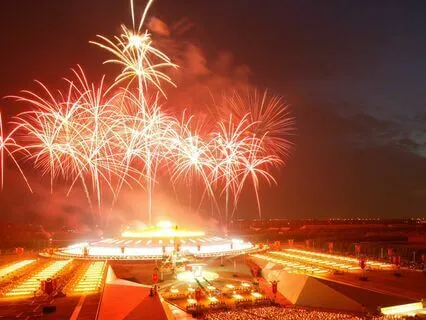
We got all these fireworks that we love to do.
Enlightenment,
Different pathways,
Different doorways to enlightenment.
And we do that inside Bodhi Day,
Inside Buddhism as well.
We use multicolored lights,
You know,
So there's these different pathways.
But it's almost kind of like that liberation,
You know,
That freedom that that country has.
We're also,
As Buddhists,
Looking for that freedom for ourselves,
From unskillful actions,
From unwholesome karma.
So we could become enlightened to the truth.
So we no longer create those.
And then we can realize our true natural state of nirvana.
So we can absolutely look at holidays,
Such as Independence Day,
In a Buddhist lens,
That's going to be something that we find wonderful to celebrate,
Right?
So these Western holidays that we have,
Don't have to be looked at as,
Well,
I'm going to be the outlier.
I'm not going to participate in them.
Yeah,
You can absolutely participate in them.
And again,
It's your choice.
You are an individual,
You are an adult,
If you want to participate or not want to participate.
But if you want to participate,
There are wonderful ways that you can participate,
Where others are enjoying you being there,
Are thankful for you being there.
But you can also apply your Buddhist qualities,
Your Buddhist teachings,
Your Buddhist beliefs,
As part of it,
Which melds very well with a particular holiday.
You have to really look at those holidays and see what qualities you want to really focus on.
And of course,
As you know,
We also have Buddhist holidays.
And Buddhist holidays are often not celebrated in the West in a very common way.
So for example,
Bodhi Day,
The day of the Buddhist enlightenment,
Right,
That we celebrate,
That's not a Western holiday that you're going to see inside stores where there's going to be maybe things specifically for that particular holiday.
No,
We're not going to have that.
And I've talked about this before,
You can,
You know,
Repurpose a Christmas tree with multicolored lights,
It's sort of like the Bodhi tree.
And then we also have the multicolored lights at different pathways to enlightenment,
Different doorways to enlightenment.
So there's different things we can kind of use,
But there's nothing really specific for us that we find commonly as Westerners in a Western country,
Because it's not a very commonly celebrated Western holiday.
It's a Buddhist holiday that you would find celebrated in particular Buddhist countries.
So should we as Western Buddhists celebrate these maybe country or culture or Buddhist specific holidays?
Yes,
I think that's wonderful to do also.
So obviously,
I'm talking about a lot about Western holidays here and how to apply your Buddhist teachings.
But yes,
If you can practice Buddhist holidays,
Wonderful.
And if you got a temple nearby,
Wonderful,
You can even engage that way.
And what you also find is that there's going to be very cultural or country specific holidays that kind of blend or,
You know,
Blurred the lines between Buddhism and that particular country or culture.
And a lot of times that's on purpose,
You know,
Or it's kind of like as Buddhism came into a country,
You kind of get intermingled with those particular beliefs or holidays.
And I love those because you see different ways to practice Buddhism,
Which are not always very apparent.
For example,
If we have,
You know,
The Buddha's birthday,
You know,
We bathe the Buddha,
Which is a very,
Very popular tradition that you see across a lot of Buddhism.
This is something where,
You know,
When I first looked at it,
I've talked about this before,
Like,
Why are we doing that?
This all seems very unusual,
Right?
But if you really understand the practice and what we're saying and what we're keeping in our mind,
We're washing ourselves of kind of like this unskillful actions,
This unwholesome karma.
We're cleaning our mind.
So are we really cleaning our mind?
Of course not.
You know,
That water is not inside our brain,
But we're trying to create the right mindset as Buddhists.
And that's really important.
So all these practices are wonderful about learning Buddhism,
But also about learning about other cultures.
Learn about other cultures and engaging in these holidays if you're willing to do so.
And you can take your baby steps inside there.
Maybe there's ones you're gonna start with first.
This is gonna be wonderful about understanding different cultures and understanding different cultures enriches you as a person as well.
So even beyond just a Buddhist specific portions of it,
You're going to learn about different cultures,
Which,
As I mentioned,
Enriches you.
And as we understand more about other cultures,
We can also,
As part of that,
Develop a more compassionate mind,
A more skillful mind,
Because now we are understanding about how other people may think,
Many other people may act,
The different beliefs,
And that can help us in many different ways throughout our life,
But also with using,
Practicing Buddhism.
So there's many different ways that we should practice holidays if you're going to engage in them,
And I definitely encourage you.
So don't look like,
As a Western Buddhist,
I can no longer engage in these quote-unquote Western holidays,
Or as a Western Buddhist,
I don't believe in these cultural specific holidays from these Buddhist countries,
So I'm not gonna practice it.
So like where you really fall in right,
You definitely can do these.
Yes,
Some,
You know,
For example,
Holidays that you've never practiced in before can be very unusual to you,
And you're may not sure what to do.
Definitely find,
You know,
Another temple goer,
For example,
Volunteer to help you understand it,
Or maybe a monastic.
I think that's a wonderful way,
Maybe read up on it.
So sometimes like we might be,
As Western Buddhists,
We want to understand a little more intellectually about it,
Whereas those from those countries don't really need to understand intellectually about it,
But maybe for us that will help a little bit.
But also,
When we're looking at our Western holidays,
I find those are wonderful things to still engage in.
You are still in that culture,
That society,
That country,
And engaging inside those holidays in those countries brings you next to other people,
Engages you with other people,
That you can show your Buddhist qualities,
Your Buddhist ethics,
And what you learn and practice from Buddhism as you are engaging in those holidays.
And you don't have to be very upfront about it,
You know,
Wearing your Buddhist robes and saying,
Hey,
The Buddhist said this.
No,
You don't.
You can just show by your actions,
Your karmic actions,
Your intentional volitional actions,
By what you are doing as a Buddhist.
And don't worry if you get things wrong.
Don't worry if you don't know everything about Buddhism right now and you're just starting out.
But yes,
You can definitely engage,
And I think it's a wonderful way to still be part of your society and culture and country in ways that you can use your newfound Buddhist teachings and practices and qualities and ethics,
As I mentioned a few times already,
In these particular holidays.
Thank you for listening,
And I'll talk with you in our next episode.