Hello everyone,
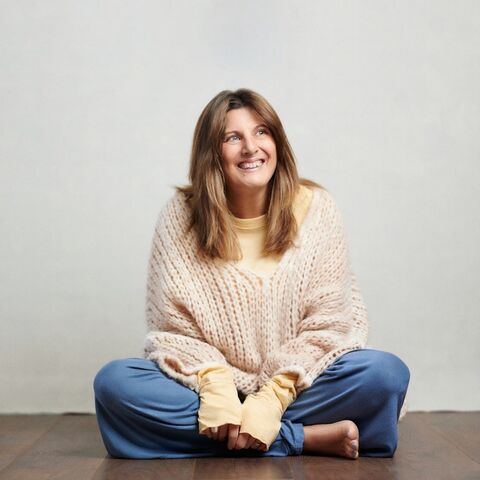
It's Terry here.
When I think of parenting,
I liken it to sitting in a cinema and seeing on that big screen our own struggles,
Our own emotions,
And even our immaturity I suppose,
Laid bare for everyone to see.
Because our kids just have this way of bringing out such powerful feelings in us from frustration to insecurity and even overwhelm.
And it's really easy to think that these emotions are caused by what our kids say or do,
But here's the truth.
Our reactions and the way it makes us feel most often comes from unresolved feelings and experiences from our own childhoods.
So our kids can stir up emotions that we buried for years.
And when those feelings rise up,
The easy option might be to blame them,
To think if only they wouldn't do that,
Then I wouldn't feel this way.
But truthfully,
You know,
To evolve,
To get beyond that,
The real path to change I guess,
Lies in recognising that these feelings do come from inside of us.
And we might ask,
Well,
Where does this reactivity,
This charge inside of us come from?
Well,
From the time we were born,
We absorbed not just the rules and the roles of our families,
And let's not forget about that hierarchical structure that we would have grown up immersed in,
But also all of the emotions around us.
And as infants,
We were wide open to that emotional energy in our homes,
In our environments.
And we took it in,
And we'll have absorbed it.
And over time,
It just became part of us.
If those emotions weren't healthy,
If they were full of fear or stress or unresolved pain in our environment,
Then those patterns are still going to be shaping how we show up,
How we react today.
So I don't know about you,
But certainly most of us were not taught how to handle emotions growing up.
We weren't encouraged to sit with our feelings,
To explore them and to learn from them.
And instead,
Many of us just learn to suppress emotions,
Especially the more challenging ones like anger,
Sadness and fear.
But the truth,
Again,
Is that when we suppress emotions,
They don't just go away,
They linger.
They linger inside of us,
Kind of in the darkness,
Ready to surface unexpectedly.
And that's why we might lash out when something seemingly small triggers us.
Again,
What's true is that it's never just about that moment.
It's the weight of all the unresolved emotions resurfacing.
And when those feelings get reflected back to us by someone else,
Typically our kids or certainly our loved ones,
It can feel really overwhelming.
And instead of recognising it as our own pain,
We are likely to blame others and see them as the problem.
Now,
You know,
It's pretty obvious that this isn't just a parenting issue,
Right?
It's a human one.
The same emotional patterns show up in relationships,
In conflicts between people and in even bigger social problems like prejudice or hate.
For example,
If we were bullied as kids and we never processed those feelings,
It might be hard to fully support our own children when they face similar challenges.
And instead,
We just might unknowingly teach them to hide their vulnerabilities,
Just as we did.
So our unresolved emotions about power,
Control,
Fear or pain,
They can influence how we guide our children.
And we might not even realise we're passing down the same patterns we learned.
But here's the good news.
Once we start noticing these patterns,
We can change them because parenting gives us a unique opportunity to do this work.
When our young people push our buttons,
Instead of just reacting,
We can pause and ask ourselves,
What am I feeling?
Why am I feeling this way?
And what in me needs attention or integration?
When we stop seeing the situations as problems that are out there,
And start looking inwards,
We can begin to understand that life isn't full of enemies.
You know,
Our kids and the energies that we feel are coming at us sometimes.
This isn't negative,
But actually life is full of teachers,
Our children being our greatest teachers.
And so every challenge and every tough moment with our kids and our loved ones is actually an opportunity to grow.
And instead of reacting with frustration and irritation,
We get to choose actually.
And we can take these moments as opportunities to learn more about ourselves.
And as we grow,
We can stop seeing our kids as reflections of our success or failure,
And start seeing them as individuals on their own paths.
There's liberation on both sides because parenting isn't just about raising our children,
It's actually about growing alongside them.
It's a shared journey.
And every interaction can help us as parents and our children evolve,
Learn and transform.
And through this process,
We don't just shape our kids,
We shape ourselves,
Creating deeper connections and opening the door to some true healing and growth.
This has certainly been true for me and continues to be as I walk alongside my own daughter.
So I invite you to just embrace this journey with me and let's see parenting,
Not as a challenge to control.
But how about an opportunity to connect and grow with them,
With our young people,
Our loved ones,
And with ourselves.
Thank you for listening.
Goodbye.