Hi everyone,
And thank you so much for joining me today for this short exploration of the breath.
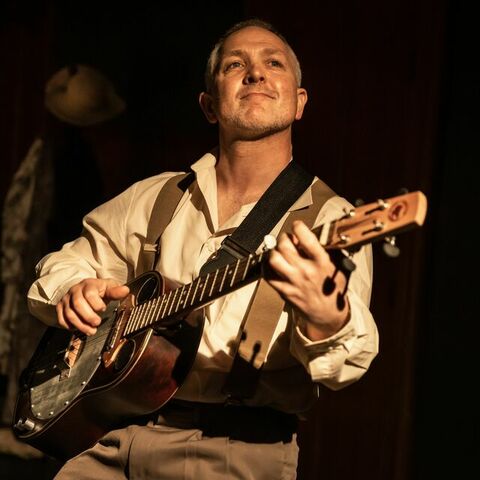
My name's Simon Carroll,
Aka Simon Hayes,
And I'm really looking forward to this session.
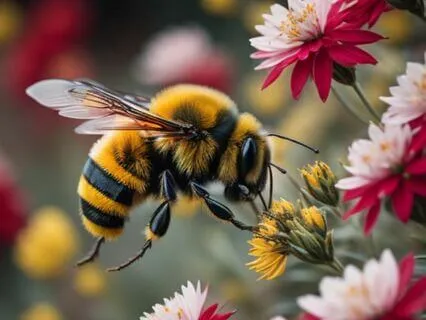
What I'm hoping to do today is explore some different breathing techniques that will ultimately lead us towards a short set of bumblebee breath or brahmari pranayama.
Just one word of caution though.
In today's activities,
We will do one short set of breathing that involves mouth breathing.
And when we breathe through the mouth,
It has a habit of connecting us quite closely to our emotions.
So if you feel unsafe with that,
Or just not ready to take that on,
Feel free to come back to this track once you've done some work with finding appropriate resourcing to make sure you feel safe moving forwards.
And if you are ready now to continue with this session,
It'll be best done seated in a manner that keeps your spine relatively upright,
Or lying flat on your back with your feet and legs comfortably apart,
Your arms to your sides,
And your palms facing upwards.
So without further ado,
If you're in position,
Simon says breathe.
I'd like to start this session by inviting you to direct your awareness inwards.
In particular,
By directing your awareness to your breath.
And initially,
We're not trying to change our breath in any way,
Just to become an observer.
Noticing what happens as the air makes its way into your body and back out again.
How does that feel?
What moves?
What does your breath sound like?
Does the in-breath come with any smells or tastes?
Simply become aware of what happens when you breathe.
And throughout the remaining activities today,
It'll be wonderful if you can continue to keep that awareness front of mind.
And the first small activity I'd like to do is that mouth breath that we discussed already.
So what I'd like you to do is take a set of five breaths through the mouth in a nice relaxed manner,
Breathing in fully and out fully to your own rhythm,
But just maintaining that awareness of what's going on when you breathe.
In particular,
Where does the breath go when you breathe in?
How much air are you moving?
And how do you feel with each breath?
And after you've completed your fifth exhalation through your mouth,
Just return to your regular breathing,
Whatever that is,
And just spend a moment recapping on where you felt the breath,
How much air you were able to move on relaxed breath,
In and out,
And how you felt after taking five of those relaxed mouth breaths.
I'd now like you to repeat that activity with five breaths,
But this time we're going to take that breath in through our nose,
If that's possible for you today.
And just ensuring we get a lovely full breath,
Filling up our torso from bottom all the way up to the top on each breath.
And again,
Keeping those three points front of mind.
Where does the breath land when I breathe in?
How much air am I moving?
And how do I feel?
Okay,
So if you're comfortable,
Let's take those lovely long relaxed nasal breaths now.
Wonderful work.
And as we did before,
Just allow your breath now to return to its regular rhythm,
Its regular volume,
And just recap on how that felt,
How much air you were able to comfortably move,
And where the breath landed within your body.
And if it's okay with you,
We're just going to build on that little section of breath right there,
The nasal breathing,
With a couple of additional activities.
So I'd like you to prepare to take one more of those breaths,
But when you've naturally expired all of the air that you have in your lungs,
Comfortably of course,
I'd love for you to just contract your pelvic floor,
Kind of like sucking up the little space between your bottom and your genitals,
And also pull your belly button back towards your spine.
So once you've concluded that exhale,
Just sucking in and seeing if there's any more that you can comfortably exhale with that little addition.
Let's try one together.
In through your nose,
And exhaling through your nose,
Comfortably and fully.
And as you get to the end of your exhale,
Lift your pelvic floor and pull in your belly button,
And just feel how much more that you've got to exhale there.
And then return to your normal breathing pattern.
And again,
Just spending a moment to reflect on how that felt,
How much air you were able to move.
And again,
Where the breath landed on the in-breath.
And we're just going to add one additional step now,
Following that same protocol.
So full breath in through our nose,
All the way out,
Then lifting the pelvic floor and retracting the belly button.
But at the end of that,
When you've comfortably expired all of the breath you have there,
We're just going to add a little hum and see what happens.
Let's try that one together.
In through your nose,
Just until you're comfortably full.
Lovely full expiration through your nose.
When you get to the end of that expiration,
Lift your pelvic floor,
Retract your belly button towards your spine,
And then add a hum.
Return to your normal breathing rhythm,
Rate,
And volume.
And just reflect on what happened with that next step.
And to finish off today's little activity,
We're just going to move into a set of five breaths,
Where we use our nose to breathe in,
Comfortably full.
But right from the start of the exhalation,
We're going to use that lovely humming until we've got no more air left.
Little pause,
If that feels comfortable for you,
And repeat five times.
Now I'm actually going to do this along with you,
But if my rhythm doesn't suit,
Feel free just to go with your own flow.
And starting now,
Inhale,
And exhale with a hum.
Inhale,
And exhale with a hum.
Inhale,
And exhale with a hum.
And two more,
Inhale,
And exhale with a hum.
Remembering to remain aware of what happens when you breathe.
Last one,
Inhale,
And exhale with a hum.
And relax,
Return to your regular rhythm,
Rate,
And volume of breathing.
Still aware of your breath,
But preparing to return back into your body.
So now just allow your mind,
Your mind's eye,
To visualize the space in which you're sitting or lying.
Just viewing what's around you,
Above you,
And beneath you.
Then become aware of your whole body in the context of your environment.
When you feel comfortable and whole,
If your eyes are closed,
Gently open them.
Just allow your eyes now to wander and reconnect you to the space around you.
And make sure that if you get up again after this activity,
That you take your time to do so.
Perhaps start by rolling to one side if you're lying down,
Taking a few breaths,
And maybe move to a sitting position,
And standing up gradually,
Just to ensure your blood pressure doesn't drop and give you that little woozy moment.
And thank you once again for joining Simon Carroll,
Aka Simon Ayes,
On today's little breathing adventure.
Hopefully I'll catch you again soon.
Bye.