Correct body posture in meditation is absolutely paramount.
The reason why it is such an important aspect of meditation is threefold.
Number one,
Making your body posture correct is a form of meditation and is normally the first step of meditation before you go into higher levels.
The reason being is it is relatively easy to meditate by having your mind focused on something such as the body and correct positioning.
The second important aspect of having the correct posture in meditation is that if you are sitting on a recliner chair,
For example,
For long periods of time to meditate,
You will in the end end up causing weakness in your lower back muscles whereby you will end up with back pain.
This is something that may sound minor and insignificant,
But certainly in the long term is not.
The third aspect of why it is important to have the correct body posture is because there is much movement of energy or bioelectricity in the body during these times of meditation whereby it is important that they have areas to flow and move correctly.
So what are the things we are looking for with correct posture?
Once again the correct posture is threefold.
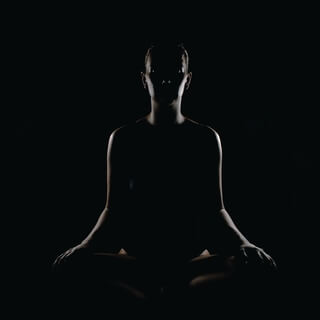
First and foremost one is to sit with their spine straight.
Here it doesn't matter if you are sitting on a chair with your spine straight or it doesn't matter if you are sitting in the lotus position,
Easy pose or half lotus all are acceptable.
The key point is that your spine is straight.
So how do you make your spine straight?
You make your spine straight primarily while you are in a sitting posture by lifting the top crown part of your head up and relaxing your shoulders and letting yourself sink into the sitting posture from your base.
So as you can see there are three adjustments.
The first is that the crown of the head lifts up which adjusts the cervical vertebrae.
By dropping and relaxing the shoulders you are adjusting the thoracic vertebrae and by allowing yourself to make sure that you are sitting in the chair itself in a natural way you are adjusting the lumbar vertebrae.
So this is step one.
Step two with the correct posture is taking some time now to notice how you are sitting in a posture where you are being held up by your skeletal structure and not your muscles.
Therefore you need to be sitting in a posture where there is no muscular tension.
If you realise for example that your lumbar muscles are holding some tension in it this means that you are sitting incorrectly.
Most people make the mistake who are trying to meditate by lifting the lumbar vertebrae up slightly by which you are in a mild way kicking outwards your tailbone.
Here you are putting tension into the little multifidious muscles that will in the end be strained by trying to hold up your entire body.
Of course the average person in the office does the opposite where they start to crunch down too much in the lumbar whereby there is no straightness there at all and it's gone the opposite direction.
So once we have been sitting for a while and we find that we are not using any muscular tension but instead are using our skeletal structure to hold our body up perfectly straight we now need to do the third aspect of getting the correct posture which is allowing every single muscle around the trunk of the tree being your spinal column to relax to a point where you feel you are in complete and utter relaxation on a muscular level.
So if we recap here,
First step is to sit with a straight spine and adjust that accordingly.
Second aspect is to make sure that your skeletal structure is holding you up as opposed to having muscular tension.
How are you going to sit for a long time if there is muscular tension?
That will disrupt your meditative practice.
And number three,
Once you have a straight spine,
Your skeletal system is holding you up,
Then you allow all your muscles,
Ligaments and tendons to be in a complete state of full relaxation.
As you can see,
Doing this already will put you into 5 to 15 minutes of meditation straight off the bat.
So this is always one of the best and first ways to learn to meditate.