My name is Diana Oskov and the purpose of this talk is to introduce you very briefly of what the generational cycles are,
To understand them and how to navigate our lives with them.
The few points that we're going to be covering today is understanding the generational cycles,
The impact on the generational cycles,
The three core components that comes with the generational cycles and those are limiting beliefs,
Emotional patterns,
Behavior patterns.
Then we're going to cover the path of breaking generational cycles.
All right,
So let's start with what is generational cycles and how to understand this.
The generational cycles,
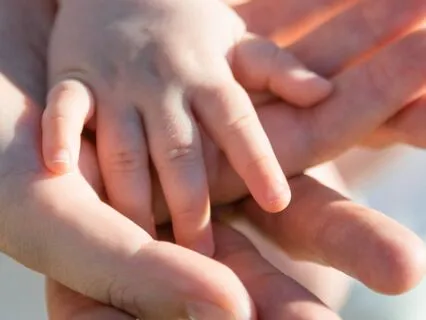
This is the seeds that our parents plant in us when we are born,
The transformation of behavior,
Beliefs and emotional patterns from one generation to the next.
And we have to not forget that children absorb behavior just like sponges.
So the generational cycles really reflect on transforming the beliefs,
Behavior and emotional patterns that one generation,
From one generation to the next.
This can include beliefs,
Many times limiting beliefs,
Emotional patterns and behavioral patterns.
And as I mentioned earlier,
Children absorb behavior just like sponges,
Mimicking both good and bad habits they observe at home.
Growing up in those tense and hostile environments sometimes increase the likelihood that they will repeat those same conflicts in their future households when they grow up.
It's important to understand the impact of the generational cycle.
Generational cycles can affect relationships.
This means struggles to form healthy and fulfilling relationships,
Can impact the self-worth,
Battling the feelings of inadequacy and low self-esteem,
Can affect our success facing repeating obstacles and achieving personal and professional goals.
For example,
Suppose you grew up in a household where financial instability was a constant issue.
In this case,
Despite your best effort,
You might need help with money management or career advancement.
Those inherited patterns can make it so difficult to break free and create a different reality for yourself.
In those situations,
I suggest you look for somebody who can help you overcome them.
Next,
We're moving to the three core components,
The three pillars as I call them in generational cycles.
Those are the limiting beliefs,
The emotional patterns and the behavior patterns.
I'm gonna be exploring all of them separately.
When it comes to limiting beliefs,
What exactly do we mean?
Those are beliefs,
For example,
I don't deserve to find love,
I'm not good enough,
I'm too scared,
I don't have time,
I'm too old,
I will never make that much money,
I don't know how to do something,
I'm not smart enough,
I will just fail anyway.
Money are the root of all evils.
Those are beliefs that we usually hear in our families and that we grow up with them.
We adopt them and we just start living our lives based on them.
Limiting beliefs relate to the generational cycle.
Our negative self-perceptions pass down from one generation to the next,
Often rooted in experiences and attitude of previous generations that we adopt as kids.
We often develop such beliefs as responses to painful experiences when we're growing up.
We create them to protect ourselves from future pain but at the same time they serve us as self-fulfilling purposes.
They're often subconscious and dictate the way we behave in life.
We tend to look for those evidence and support our beliefs and dismiss anything that contradicts them.
The feelings are so strong than the logic that they always win.
So there are so many types of different beliefs.
Limiting beliefs about good health,
Limiting beliefs about self-worth,
About work,
About money,
Abundance and relationships.
I also want to give you a few examples of all those groups so you have a better understanding what I mean when it comes to limiting beliefs.
Here are some real examples of generational limiting beliefs that I have seen in my practice impacting people.
So for example,
When it comes to limiting beliefs about good health,
I often hear I'm a failure,
Everyone else in my family is overweight,
I don't deserve to be healthy,
I'm helpless to heal myself.
Limiting beliefs about self-worth are something like I'm a failure,
I don't deserve a better life,
I'm not lucky,
Who I am to have everything I ever wanted.
Limiting beliefs about relationships,
Those sounds like I will never find love,
No one wants me,
All good ones are taken,
My relationships just never worked out,
I'm useless on my own,
I never deserve love,
Love never works for me.
Limiting beliefs when it comes to money sounds like money doesn't grow on tree,
We can't afford this,
To earn money you have to work very hard,
You will never be rich.
I also want to give you an idea how those limiting beliefs impact you.
Here is a career aspiration belief,
Our family has always been manual workers,
This is where we are good at,
High status jobs are not good for us.
The impact?
This belief can discourage younger generation from pursuing higher education or career in fields perceived as prestigious,
Limiting their professional growth and of course their potential.
When it comes to financial success,
When we have the belief we've always been poor,
Wealth is unavailable for people like us,
The impact of this belief,
This mindset can prevent family members from taking financial risk,
Investing or seeking better paying job opportunities,
Prosperity or just living in the cycle of financial instability.
I want to give you another example when it comes to education,
I often hear the belief no one in our family have ever gone to college,
This is not for us,
The impact on this belief is that this can result in holding back younger generation to not striving for higher education,
Limiting their career opportunity and also potential for a different success and mobility.
And here I want to encourage you to think about the limiting beliefs that you suspect come from your family,
Just think about and reflect on the question how this belief affects you and your family,
You can just write it for yourself,
It's all about asking yourself the question and thinking about the answer as well.
All right,
So let's keep moving,
I want to focus now your attention to the emotional patterns,
Emotional patterns are the physical state that arise from external situation,
Usually those arise before feelings and it can be absorbed by the physical reaction,
Feelings on the other side are the mental association of those reactions to emotions that can often be hidden,
Interesting fact here is that from one to three years of age the kids start to understand emotions and when we must allow kids to express their emotions and feelings,
We have to be able to know how to do this on first base and many of us are struggling not able to do that.
In order to help your kids,
You have to help yourself first.
Recurring emotions like fear,
Anxiety and anger,
Also guilt,
Sadness,
Frustration,
Jealousy,
Resentment,
Insecurity and overwhelm,
All those emotional patterns we hold in us many times completely unaware and as I mentioned in the beginning,
Generational cycles involve transmitting behavior,
Attitudes and emotions from one generation to the next generation.
Emotional patterns such as fear,
Anxiety or anger can be passed down through families,
Often impacting multiple generations without anybody even paying attention to that.
When it comes to fear,
I want to give you an example,
Fear of insufficiency,
Instability,
It's passed down from parents who usually grow up during the struggle times.
How this impact us?
This can manifest in our children as our grandchildren as consistent worry about money leading to overly cautious financial behavior,
Recalculating to take risks and potentially missing out on investment opportunities.
When it comes to anxiety,
Often anxiety about academic performance,
The parents who emphasize educational achievements,
The impact on that children and grandchildren may experience chronic stress and anxiety related to school,
Career and feeling immense pressure to excel academically which can affect their mental health and overall well-being.
So I want to take a moment here and encourage you to think about what emotions you're holding in your body.
Can you feel it?
What part of your body you can feel that emotion or feeling?
And what exactly is doing for you?
I encourage you to reflect on those questions in order to help you navigate your own generational cycles in yourself and help you also understand them a little bit better.
Let's focus on behavior patterns now.
One of my all-time favorite quotes is by Ashley Wagner and it says beneath every behavior there is a feeling and beneath each feeling there is a need and when we meet that need rather than focus on the behavior,
We can begin to deal with the cause not with the symptoms.
In my work,
I look for what is causing it.
I look for the root cause and help my clients to resolve and overcome it.
When we bring the awareness,
Overcoming just follows.
Often habits or addictions are passed down through generations in the family.
Behavior patterns relate to generational cycles as a habit of addiction passed down to subconsciously from one generation to the next,
Often influenced by environment,
Upbringing and family dynamics.
Behavior is not genetic.
They're learned most of the time.
Here are some of the examples that I want to provide you for generational behavior in how they impact us.
First,
I want to give you an example of substance abuse.
This is alcoholism or drug addiction that can run in the family.
The impact of this is children grow up in such an environment may normalize the substance abuse,
Leading them to adopt similar habits and resulting in health issues,
A relationship problem and difficulties maintaining employment.
Smoking is another one.
Family where multiple generations smoke,
The impact on this is that young family members may start smoking early,
Influenced by seeing parents or grandparents to smoke,
Increasing the risk of respiratory disease,
Cancer and other health issues that comes together with this addiction.
Domestic violence is another example.
Patterns of domestic abuse observed at an experience at home by children.
Often the impact on this is children who grow up in abusive households are most likely to become victims or perpetrators of domestic abuse in their relationship,
Continue the cycle of abuse that they grow up with.
Also eating habits,
Financial management,
Work ethics,
Physical inadequacy,
Poor confidence,
Gambling,
Neglect and mental health.
All of those are behaviors that are related to the generational cycles.
People get triggered by different things.
Don't take it personally when somebody is nasty or treating you poorly.
Many of those times it says nothing about you.
It says a lot about them.
Here I want to encourage you again to look into your own behavior and see if you can identify a pattern that you have noticed in your family that you're repeating in your life.
How is this behavior affecting you?
How this has been reflecting in your own life today?
Moving forward to the path of breaking the cycle.
In my work,
One thing that I use all the time is awareness,
Education,
Support,
Healthy modeling and communication.
When it comes to awareness,
It's very important to recognize and acknowledge the existence of those patterns within your family.
So awareness,
It's our first stop when I work with clients and it's the most important part in order to overcome something.
Education is the next step and in this step we're learning about the consequences of this behavior and those patterns,
How they have been affecting our beliefs and how we can alternate them.
The next step is to seek support.
Many times people try to figure this out on themselves and there's nothing wrong with this.
I completely support it.
But sometimes it's hard because the roots are so deep that we're not able to navigate them with our logical mind.
So in those situations,
I encourage you to look for support from a therapist,
A counselor or support group even that can help you navigate those patterns and struggles a little bit easier.
Healthy modeling is one of my most important parts.
I'm hoping that I am one of those examples for healthy modeling for my kids and their younger generations.
And the most important part here is to embrace and demonstrate positive behavior to influence the youngster in the family for better family life,
For better life in general.
Communication has been always the leading thing between me and my husband and I think communication is the most important part in order to succeed in overcoming something.
So encouraging open discussions about those issues in specifics within the family is allowing us to foster understanding and of course to achieve the change.
When it comes to overcoming the generational cycles,
I want to encourage you and reassure that this is your responsibilities.
In today's society,
We spend a lot of money on new homes,
New cars,
New houses and all material things.
But people forget to spend money on the important things,
Our mind,
Our belief system and our operational system.
So allow yourself to upgrade your mind and reinvent yourself.
My son's middle school teacher used to send them at the end of the school year with the wish,
Enjoy your summer and use that time to reinvent yourself.
So I wish you do the same with yourself and reminding you that you are responsible for upgrading your system and the way how you operate.
Thank you for joining me for this talk today.
I'm Diana Oskov and I look forward to our next time.